REVIEW · HELSINKI
Helsinki: Floating Experience in a Survival Suit
Book on GetYourGuide →Operated by Redrib Experience Oy Ltd · Bookable on GetYourGuide
Helsinki does something odd in the best way: floating in a survival suit. You slip into a neoprene drysuit-style setup and drift on the sea’s surface, staying warm while the city feels far away. I love the mix of practical safety learning and pure calm, even when the water is cold.
What I really like is the hands-on focus on sea rescue and survival—it’s not just hype, it’s taught step by step by the instructor.
One consideration: the suits can feel a little stiff around the face and neck, and you’ll notice it when you’re sitting back or turning to paddle.
In This Review
- Key things you’ll remember
- Sliding Into the Baltic: What This 1.5-Hour Float Feels Like
- The Survival Suit Setup: Warm, Dry, and Slightly Wobbly
- Rescue Training That Stays Practical (Not Scary)
- Open-Water vs Ice Conditions: Two Different Lessons in the Same Spot
- The Value of Relaxation: Closing Your Eyes in the Middle of Helsinki
- What to Wear: Your Suit Is Warm, But Your Layers Still Matter
- Meeting Point and Location Changes: Build in a Small Buffer
- Price and Value: Is $159 Worth It?
- Who This Suits Best (and Who Should Skip)
- Quick Safety Reality Check Before You Go
- Should You Book the Helsinki Floating Experience?
- FAQ
- Do I need swimming ability for this Helsinki floating experience?
- How long is the tour?
- What language are the instructors?
- What should I bring?
- Are there any restrictions on what I can bring or consume?
- Does this tour run in bad weather?
- Where do I meet, and when should I arrive?
- Can the meeting location change?
- Who is this not suitable for?
Key things you’ll remember
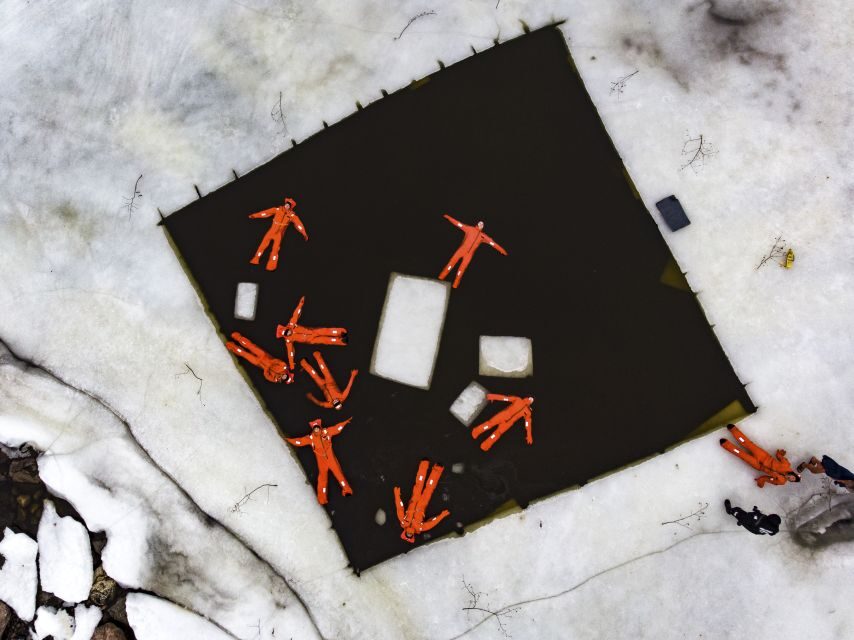
- Warm and dry neoprene float time while you learn in real water conditions
- Sea rescue + self-rescue techniques taught with qualified instructors in English
- Hypothermia basics and winter-bathing benefits explained in plain terms
- Open-water vs ice sessions tuned to what the Baltic is doing that day
- Relaxation in silence and weightlessness—yes, even in the middle of Helsinki
- Photo and video takeaways reported as a nice bonus at the end of the session
Sliding Into the Baltic: What This 1.5-Hour Float Feels Like
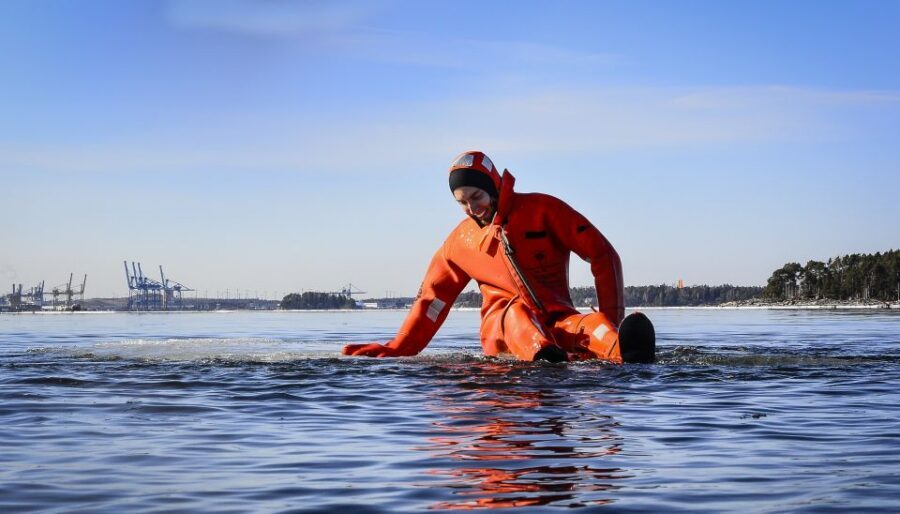
This is a winter-bathing experience with a safety spine. You start on land, get fitted into the suit, then you move out into the natural sea environment of Helsinki so the cold is real and the lessons matter. The timing is tight enough to keep things comfortable, but long enough that you actually get that odd, quiet feeling of drifting.
Most of what makes it special is psychological. You go in tense because it’s the Baltic and it’s winter. Then you realize you’re sealed up in a survival suit, and your body can handle far more than your brain assumes.
You’ll be taught what to do, what to avoid, and how to stay calm if something goes wrong. And once you’re floating, the experience shifts from “stunt” to “reset.”
You can also read our reviews of more tours and experiences in Helsinki.



The Survival Suit Setup: Warm, Dry, and Slightly Wobbly
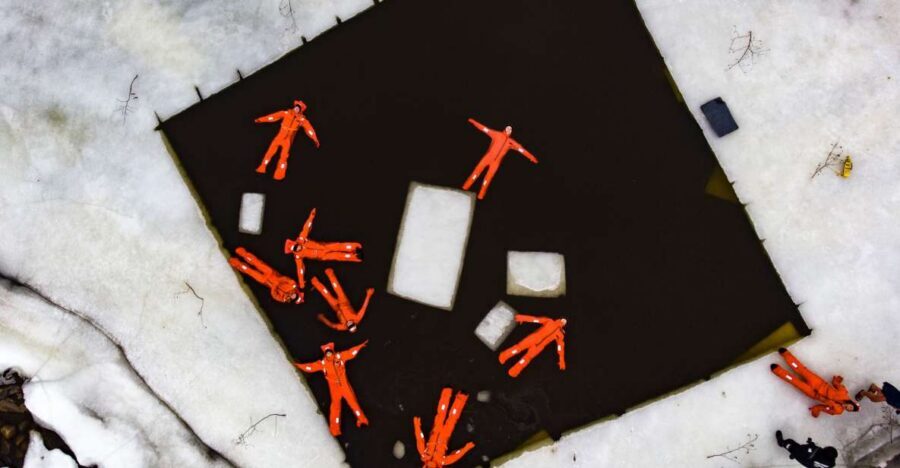
The core of the activity is the suit itself. It’s neoprene, designed to keep you warm and dry while you’re in the water, so you can focus on learning instead of shivering through it.
Getting into the suit is usually the moment you stop imagining and start doing. You’ll be in “normal winter street wear” beforehand, and you’re allowed to keep it simple—comfortable layers are the goal. If you have your own wool pullover and wool socks, bring them; those recommendations show up for a reason.
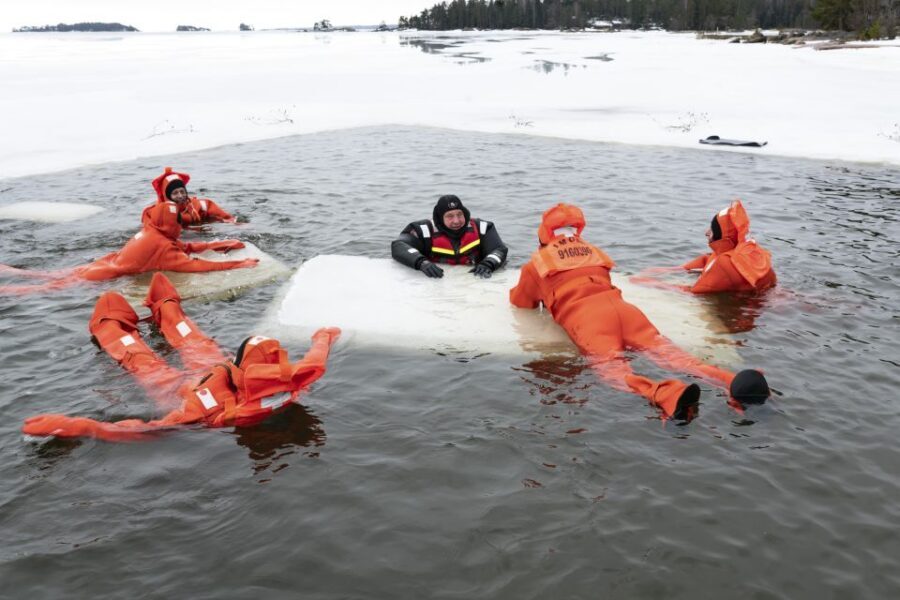
Inside the suit, you’ll feel buoyant in a way that’s hard to fake. One review mentioned an hour or so staying in the water without feeling cold, which lines up with the promise here. That doesn’t mean it feels weightless like a pool noodle—more like you’re supported, slow, and steady.
The one drawback I’d plan for: a few people note that the suit can feel less comfortable around the face and that the neck can get a bit strained when you’re adjusting your position or looking up to navigate or paddle. It’s usually manageable, but it’s good to know before you go.
Rescue Training That Stays Practical (Not Scary)
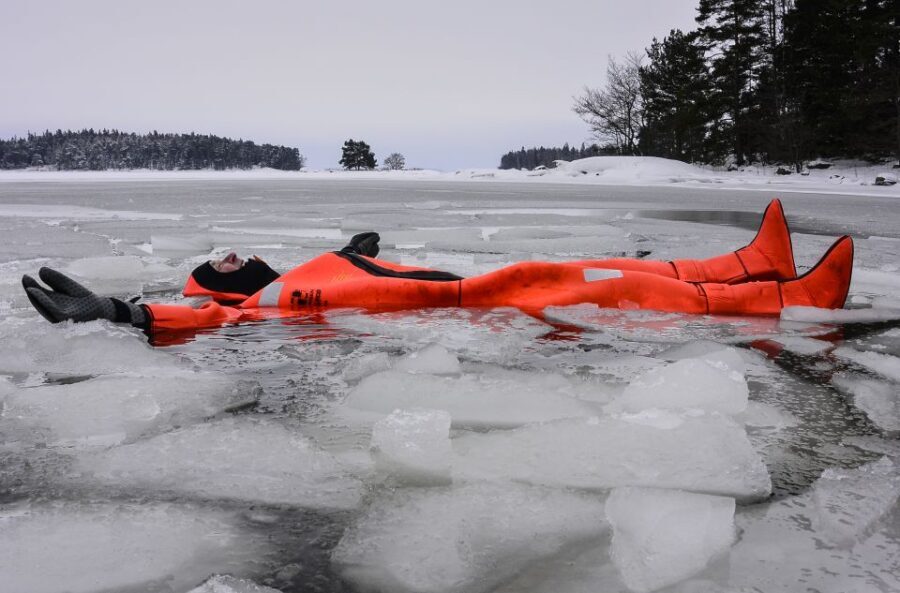
The teaching is the other half of the experience. You’ll learn about rescue and survival in real sea conditions—what to do, what to avoid, and how hypothermia affects the body.
This matters because cold-water risk is not just about temperature. It’s about shock, muscle performance, breathing, and how quickly control can slip away. The instructors walk you through the basics of hypothermia and give you the context for why cold water is dangerous even when you feel like you’re coping at first.
You’ll also practice survival-type actions while you’re in the suit. Some sessions include prompts like self-rescue and survival challenges, and the vibe is supportive rather than pushy. You can see the same pattern in the guide feedback: people describe guides like Olli/Oli and Leif/Patrik as patient, friendly, and focused on making everyone feel safe while still learning real techniques.
If you’re the type who worries about whether you’d freeze up in an emergency, this tour is built for that. You’re not asked to perform miracles. You’re taught how to think and act with a clear head.
Open-Water vs Ice Conditions: Two Different Lessons in the Same Spot
The Baltic around Helsinki changes fast. This experience adapts to what you’re facing that day, and you’ll feel the difference immediately.
In open-water season, the focus is:
- rescue at sea
- relaxation
- survival techniques
In ice conditions, the focus shifts to:
- ice behavior and its effects
- relaxation
That difference is important. Ice adds a whole new set of risks and physics—where you place your weight, what the surface is doing, and how cold affects you differently when conditions are changing. The instructor explains what’s happening and keeps you moving in a controlled way.
If you’re going in the middle of winter, don’t be surprised if you get moments that look like straight-up winter movie scenes. One person described walking on frozen Baltic Sea, jumping in the ice, and even breaking a large piece of ice during the activity with guidance. You should not count on that exact sequence every time, but it does hint at the kinds of hands-on moments you might experience when conditions line up.
Either way, the activity is always done in natural conditions and in the water, not in a pool.
The Value of Relaxation: Closing Your Eyes in the Middle of Helsinki
There’s a strange gift built into this tour: you get to slow down. The briefing includes the idea of breathing and losing yourself in the silence—even in the heart of Helsinki. That’s not just poetic. The water keeps you focused on what’s in front of you: your breathing, your position, the calm buoyancy from the suit, and the instructor’s cues.
A lot of people come expecting “cold fun.” What they often leave with is “I could actually calm my body down.” That’s a skill. Cold exposure can teach you how to manage panic and how to keep breathing steady.
So yes, you float. But you also practice staying calm while doing something that normally spikes fear. That’s a real-world kind of confidence.




What to Wear: Your Suit Is Warm, But Your Layers Still Matter
You don’t need special gear you can’t get in Helsinki. The basic rule is simple: wear comfortable clothes you can move in.
You can come as you are in normal winter street wear. Still, I like the wool suggestion for one reason: wool helps with insulation even when you’re moving between land and the water. The tour even recommends bringing your own wool pullover and wool socks, which suggests they’ve seen how much difference that can make for comfort.
Plan for damp conditions. It’s rain and shine—no weather restrictions—so you’ll be outside. A practical approach is to wear layers you can adjust, then once you’re suited up, keep your focus on the instructor’s steps.
Also note what’s not allowed: alcohol and drugs. This is safety-focused, so keep it clean and simple before and after.
Meeting Point and Location Changes: Build in a Small Buffer
You’ll meet at a designated point and you should arrive 15 minutes before the start time. That early arrival gives you time to check in, get your bearings, and avoid rushing once you’re suited up.
One more real detail: the operator may change the location if wind or ice conditions make it necessary. That doesn’t mean you’ll lose the experience. It means they’re watching conditions closely and choosing the safest workable water spot for that moment.
So when you plan your day, don’t stack another activity immediately after. Give yourself breathing room for a slightly shifting start.
Price and Value: Is $159 Worth It?
$159 per person feels steep until you break down what you’re getting. You’re not just paying for access to cold water. You’re paying for a survival suit, an instructor in English, and hands-on safety instruction designed around hypothermia, rescue, and survival behavior in actual conditions.
You also get real-time coaching in an environment where mistakes matter. That kind of training is hard to replicate on your own without proper gear and instruction, especially if you’re not a strong swimmer (and you don’t need swimming ability for this experience).
If your goal is only photos or “I did it once,” you might feel like it’s pricey. But if you want a guided, practical safety education paired with a truly relaxing float, the price starts to make sense.
And a small bonus worth mentioning: some guides take photos and videos and share them right after the activity ends. That’s not the main reason to go, but it can turn the experience into something you actually keep.
Who This Suits Best (and Who Should Skip)
This is a great fit if you:
- want an unusual Helsinki experience that’s genuinely practical
- can handle cold-water anxiety more than you can handle ocean swimming practice
- want a guided lesson on rescue and hypothermia
- like the idea of relaxing in a weightless feeling while learning
It’s also designed for people who don’t have swimming skills or experience.
But it’s not suitable for:
- people with mobility impairments
- people under 5 ft 1 in (155 cm)
So be honest about your comfort level and physical constraints. This is active in the sense that you’re moving with the suit and following instructions near open water. It’s not built for everyone.
Quick Safety Reality Check Before You Go
The tour runs rain and shine, and it operates with natural water conditions. You’re provided the suit, and the instructor is there for safety. Still, you should treat the experience like what it is: cold-water exposure plus hands-on survival learning.
If you tend to get panic-prone when you feel out of control, focus on the pacing the instructor gives you. People often report feeling at ease and supported—guides like Olli/Oli and Leif show up in the feedback for being patient and calming—but your own comfort still matters.
The best prep is mental. You’re not proving toughness. You’re learning what to do, staying calm, and letting the suit do its job.
Should You Book the Helsinki Floating Experience?
If you want a Helsinki “wow” moment that’s more than a gimmick, I think this one is worth booking. The strongest reason is the combo: warm, dry floating plus real rescue and hypothermia instruction in natural sea conditions.
Book it if you’re curious about winter bathing, want practical safety knowledge, and can wear comfortable winter layers without drama. Skip it if you’re under 155 cm, have mobility limitations, or you want a mild, indoor-style experience.
If you’re on the fence, go with this simple rule: if learning cold-water safety sounds useful to you, you’ll likely love the calm floating part even more once you’re actually in the water.
FAQ
Do I need swimming ability for this Helsinki floating experience?
No. The activity states that no swimming ability or experience is needed.
How long is the tour?
The duration is 1.5 hours.
What language are the instructors?
The instructor speaks English.
What should I bring?
Wear comfortable clothes. Wool layers are recommended—specifically a wool pullover and wool socks if you have them.
Are there any restrictions on what I can bring or consume?
Alcohol and drugs are not allowed.
Does this tour run in bad weather?
Yes. There are no weather restrictions listed, and it operates in rain and shine.
Where do I meet, and when should I arrive?
You should arrive at the meeting point 15 minutes before the activity starts.
Can the meeting location change?
Yes. The operator says they will notify you if the location needs to change because of wind or ice conditions.
Who is this not suitable for?
It’s not suitable for people with mobility impairments and people under 5 ft 1 in (155 cm).