REVIEW · ROVANIEMI
Night Snowshoeing Adventure under the Northern Lights
Book on GetYourGuide →Operated by Wild about Lapland · Bookable on GetYourGuide
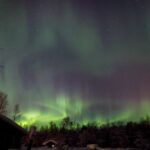
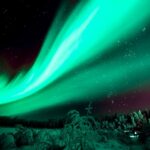
Snowshoeing in the dark is pure Arctic theatre. You’ll enjoy a guided walk on snowshoes into Lapland’s winter wilderness, with your guide picking a route that also aims for a Northern Lights sighting. I also like the halfway warmth stop: your guide lights a fire the traditional way using flint & steel, plus hot drinks and snacks. One thing to keep in mind: the aurora is never guaranteed, and the experience can be physically demanding in deep cold.
This is built for comfort and control, not mass crowds. The tour runs with a small group (max 8), and you get live English guidance as the guide chooses the best snowshoe route for your level and the sky conditions. If you’re staying outside the city centre, transportation is included but there can be extra charges depending on how far you are from Rovaniemi.
In This Review
- Key things to know before you go
- Rovaniemi After Dark: What This 3-Hour Aurora Snowshoe Really Is
- Getting Equipped: Overalls, Boots, and What You Should Actually Wear
- The Route: Taiga Forest, Frozen Water, and Hill-Top Chances
- Midway Campfire Warm-Up: How the Fire-Making Part Changes the Night
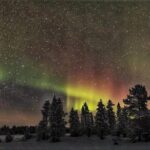
- Northern Lights Chances: What You Can Control (and What You Can’t)
- Group Size, Pace, and Comfort: Why Max 8 Matters
- Price and Value: Does $123 Add Up in Lapland?
- Who This Tour Suits Best (and Who Should Skip)
- Practical Tips That Make the Difference
- Should You Book This Lapland Night Snowshoe?
- FAQ
- How long is the night snowshoeing tour?
- Is Northern Lights viewing guaranteed?
- What equipment is included?
- Do I need to bring my own warm clothing?
- What happens during the campfire break?
- Is the tour canceled if weather is bad?
- What are the restrictions for participants?
- What language is the guide?
Key things to know before you go
- Small group pace (max 8) keeps it personal and makes it easier for the guide to adjust for your comfort level.
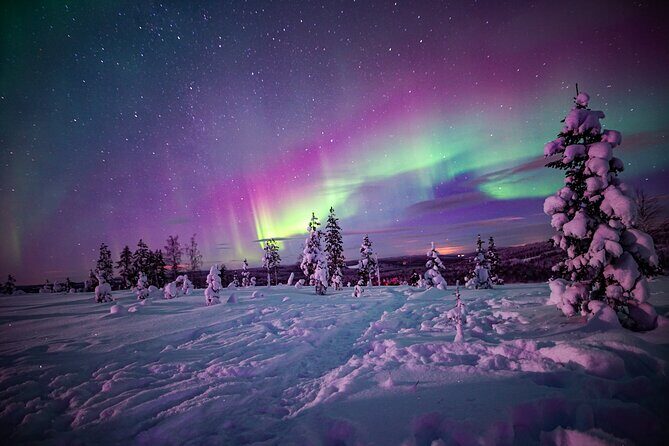
- Route chosen for aurora chances means you may head through old forest, across frozen lakes or rivers, or toward a hill-top—depending on conditions.
- Traditional fire-making lesson happens halfway through, using flint & steel and natural materials, even in extreme cold.
- Warm break with campfire snacks and hot drinks gives you a reset without rushing the experience.
- Weather-proof plan: the snowshoeing runs in any weather, so you still get the Arctic adventure even if the lights don’t show.
- Think endurance, not just sightseeing: you’ll want warm layers and you may need to walk at a steady winter pace.
Rovaniemi After Dark: What This 3-Hour Aurora Snowshoe Really Is
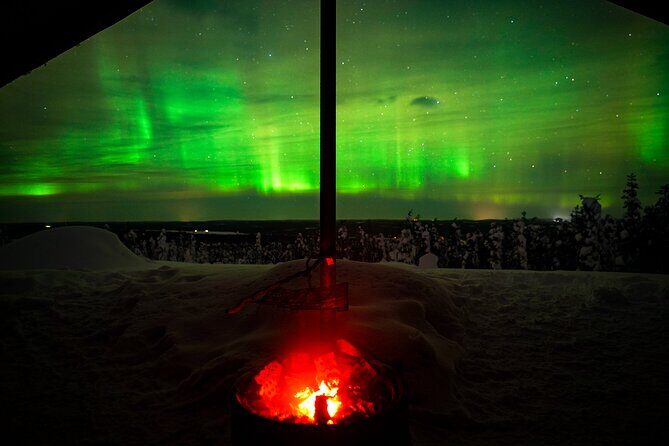
This tour is a night-focused Arctic outing designed around two goals: a real snowshoe experience and a chance to see the Northern Lights if conditions line up. In Lapland, that’s the right mindset. You’re not booking a guaranteed show. You’re booking a guide-led night in the winter wilds, with aurora spotting built into the plan.
The advertised duration is 3 hours, but real timing can shift. One verified booking reported closer to 4 hours, which makes sense if you factor in driving time to the start area and a longer warm-up around the fire. Either way, you should expect a solid chunk of time out on snowshoes—long enough to feel the Arctic night, not just a quick walk.
What makes this tour feel “worth it” is the structure. You’re not only chasing lights. You’re walking through winter terrain that looks and feels different from daytime scenery: darker forests, silent frozen water underfoot, and sky time built in so the aurora (if it appears) has a chance to be seen.
You can also read our reviews of more evening experiences in Rovaniemi
Getting Equipped: Overalls, Boots, and What You Should Actually Wear
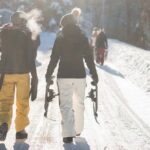
Winter in Lapland can be serious. The good news: the tour provides the hard-to-fix pieces. You’ll get snowshoes, professional winter overalls, and boots, plus the rest of the gear needed to move safely on snow.
Your job is to dress like you’ll be standing still for stretches while keeping warm while walking. The tour advises you to bring water and dress appropriately even though clothing is provided. That combination matters because the provided layers won’t automatically solve cold hands, cold feet under stress, or dehydration.
If you’re planning your outfit, think in layers:
- Start with a warm base layer that won’t make you sweat too much during walking.
- Add insulation where you need it most.
- Keep your outer layer wind-resistant and suitable for cold night air.
Also, no alcohol or drugs are allowed. That’s not just “house rules”—it’s about safety and clear decision-making when you’re outdoors in winter darkness.
The Route: Taiga Forest, Frozen Water, and Hill-Top Chances
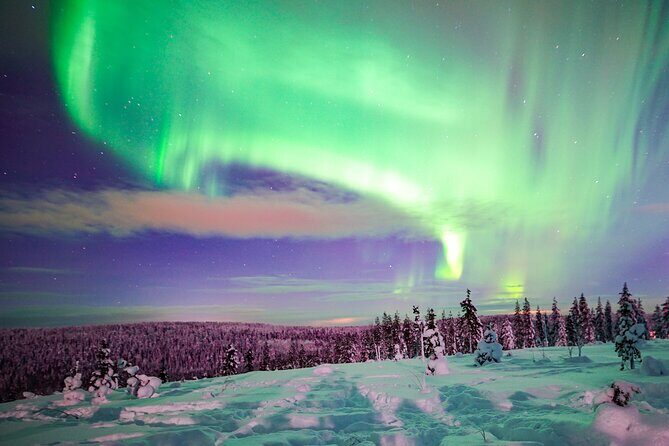
One of the most practical parts of this tour is how the guide builds the route around your group. The guide chooses where you go based on your level and the needs of the group, but also based on where the aurora spotting opportunity is best.
Based on how these outings commonly run, you may travel through:
- Old forests in the Taiga style of Lapland
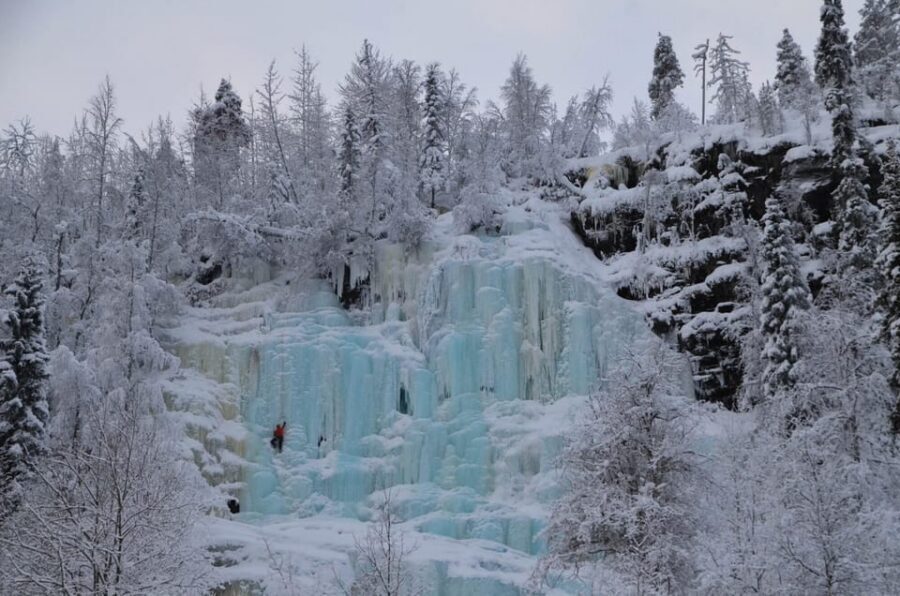
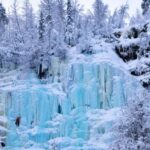
- Over frozen rivers or lakes
- Out to a hill-top for a better view angle
This variety is more than scenery. Forest trails are calmer and often easier to manage at night, while open frozen areas and hill viewpoints can give you cleaner sightlines for the sky. That balance is exactly what you want: enough immersion to feel like you’re in the Arctic, plus enough open space for aurora watching.
There’s a trade-off to be aware of, and it shows up in one piece of feedback: the snowshoe segment can feel short or simple depending on the group and conditions, with a drive time that can outweigh some walking time. If you’re the type who wants a long, athletic trek, ask the provider about what pace and terrain you should expect on your specific night.
Midway Campfire Warm-Up: How the Fire-Making Part Changes the Night
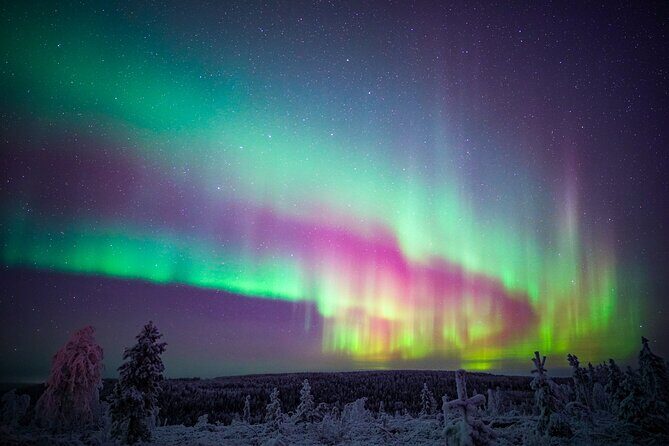
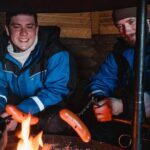
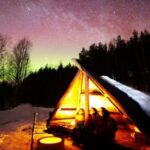
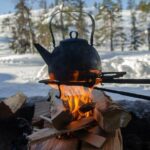
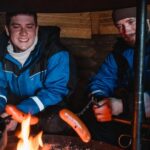
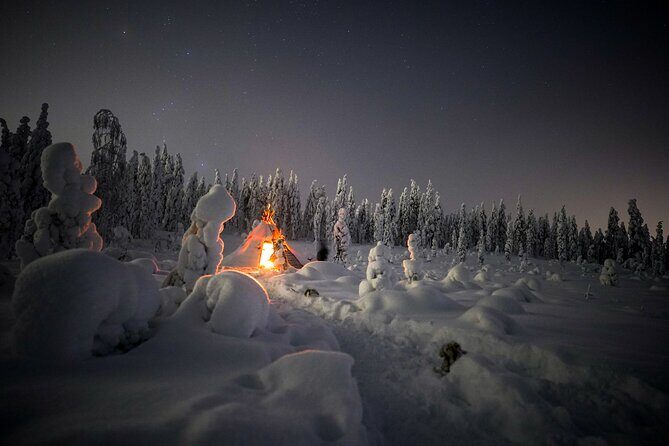
The halfway stop is a big deal here, and not just because it’s warm. Your guide will light a fire using flint & steel and natural materials you can find in the surrounding nature. This is presented as a traditional method and is designed to work even in temperatures as low as -30°C.
That means the campfire break isn’t a random pause—it’s an activity moment. You get hot drinks and campfire snacks, and your guide uses the break to explain Lapland and life in the Arctic. One important detail: the guide will also show how to build the fire using traditional methods, without matches or a lighter.
Some groups describe warmth and comfort around a structure like a Kota. Whether it’s a Kota-style shelter or another fire setup, the point stays the same: you’re not just standing around. You’re learning why the survival skills matter in winter, and you’re getting human conversation time while the cold drops off your shoulders.
If you’re cold easily, this stop is the difference between an enjoyable night and a miserable one.
Northern Lights Chances: What You Can Control (and What You Can’t)
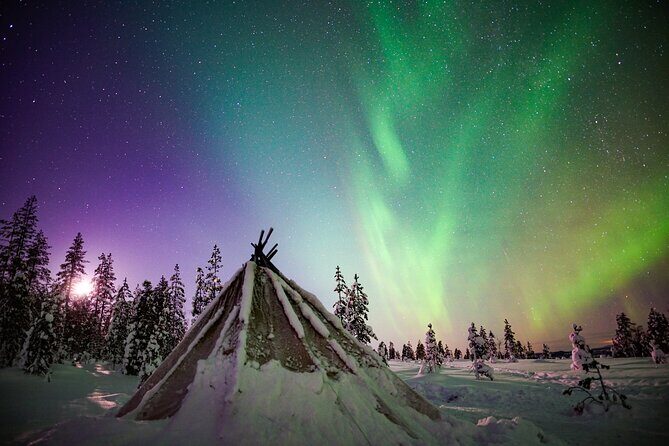
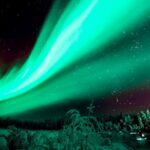
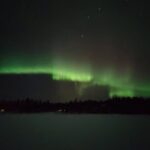
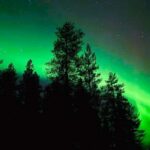
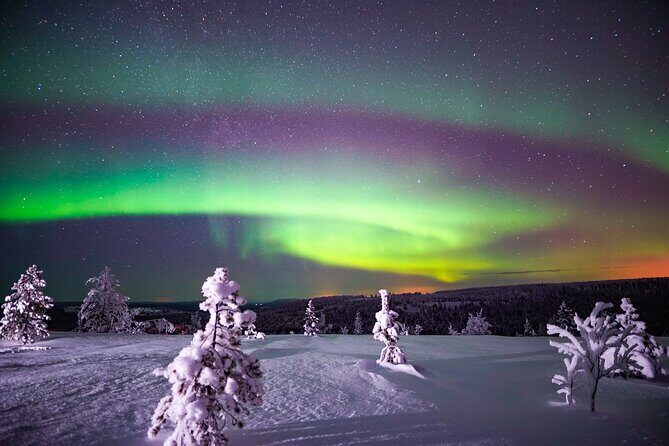
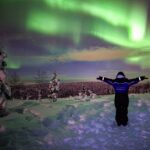
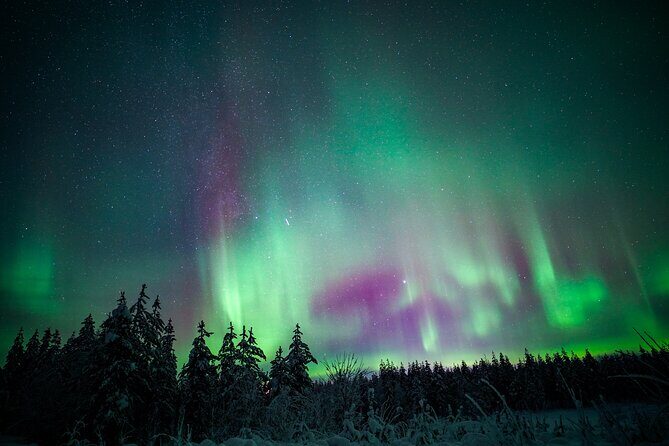
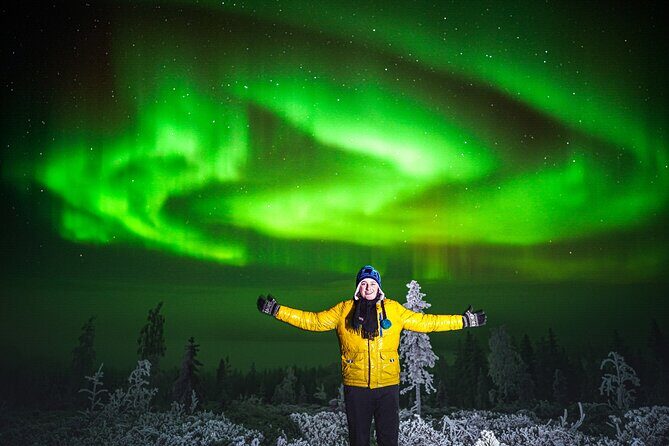
Let’s talk honesty: the Northern Lights are a natural occurrence. That means you can’t guarantee color, brightness, or even whether you see anything at all during your exact outing. The tour plans for a good chance if the sky cooperates, but it’s still nature.
The guide’s role is where your odds improve. The guide chooses a location for the mix of terrain and sky visibility, aiming for the best possible conditions to view the aurora if it appears. That’s practical planning, not wishful thinking.
In real-world terms, that can look like:
- stopping for sky watching at the right time
- selecting spots where the line of sight is less blocked
- keeping the group together so nobody misses the moment
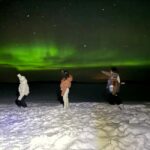
You’ll also be outdoors in weather that can be cold and dark, so don’t judge the night by the first few minutes. One booking described only a small aurora sighting but still called the overall experience superb because the route, pace, and fire break worked.
On the flip side, one negative review complained about not getting enough time to watch the lights and returning quickly. That doesn’t mean it’ll happen on your tour—but it does suggest you should take the experience seriously when you’re told the aurora time is coming. Ask questions, then look up when your guide signals it’s time.
Group Size, Pace, and Comfort: Why Max 8 Matters
A maximum group size of 8 people isn’t a marketing line here. It affects how the guide can manage spacing, walking pace, and comfort. In a small group, the guide can watch who’s struggling, slow down when needed, and make sure everyone understands what’s next.
You’ll also get more direct answers from the guide about Arctic life. In one example, a guide named Jordi was highlighted for giving lots of information and putting effort into guiding the group. That’s the kind of difference small-group touring makes—you’re not just being led; you’re being taught.
Pace is worth your attention. One unhappy booking said the guide was walking without snowshoes and the pace felt like a run, which is the opposite of what you’d want when you paid for a winter safety-and-comfort experience. Most tours are designed for level-fitting movement, but winter conditions can create uneven effort across a group. If you have balance issues or you’re not confident on snow, say so early. It helps the guide adjust the plan.
Price and Value: Does $123 Add Up in Lapland?
At $123 per person, this tour sits in a mid-range zone for guided Arctic experiences. The value comes from what’s included, not just the walking:
- Hotel-area pickup/drop-off (with potential extra surcharges outside the city centre)
- Equipment: snowshoes, overalls, boots
- Transportation
- Professional guide
- Hot drinks and campfire snacks
- Local value and tax/fees
If you were to rent snowshoe gear and arrange your own guide time, your costs would usually climb fast. Here, you’re paying for coordination in the cold: gear, trained leadership, and a warm mid-tour break with traditional fire-making.
The only “cost” you pay beyond the ticket is your clothing choices and the effort required. That’s normal in winter. The tour isn’t for people who want a light stroll and guaranteed visuals.
Also note the booking perks: the tour offers free cancellation up to 24 hours in advance and reserve now & pay later. That flexibility matters in Lapland, because sky conditions drive your day.
Who This Tour Suits Best (and Who Should Skip)
This experience is best for adults and families who can handle winter walking outdoors at night. It’s not suitable for children under 10, and the tour also advises against participation if you have heart problems or serious pre-existing medical conditions. The experience may require endurance, and the cold can add stress even when you’re bundled.
If you’re reasonably fit, enjoy small-group activities, and want a night in the Arctic more than just a photo, you’ll likely love it. The best fit is someone who:
- wants real snowshoe time
- is okay with aurora uncertainty
- enjoys campfire moments and guide stories
- likes learning practical winter skills (like traditional fire-starting)
If you have any heart or medical concerns, don’t “tough it out.” Winter tours can be risky when your body isn’t meant for cold exertion.
Practical Tips That Make the Difference
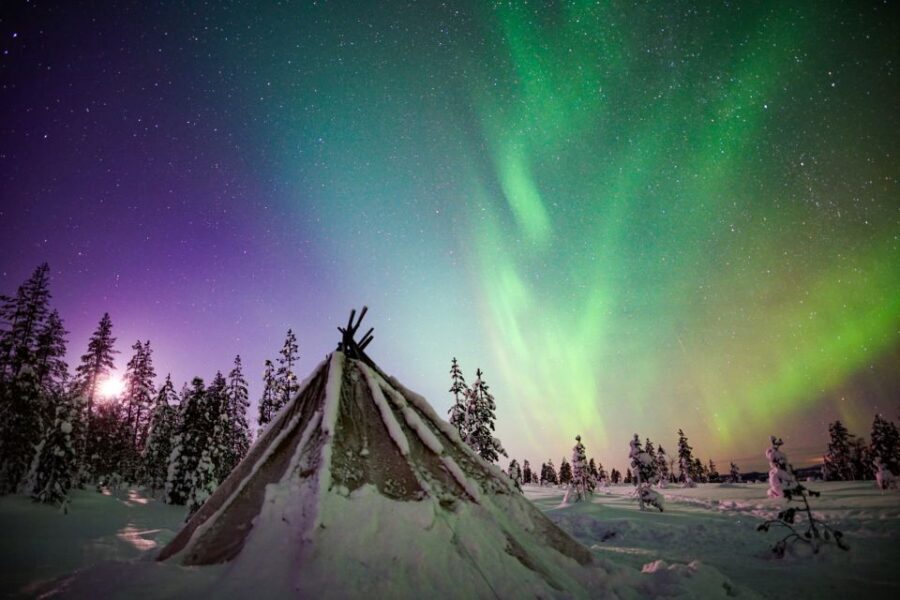
A few smart moves can protect your comfort and help the night feel smooth.
- Bring water. Even in cold weather, you can get dehydrated from exertion and dry winter air.
- Wear warm layers you can walk in. Too many heavy layers can trap sweat; too few can make you freeze fast.
- Plan for night visibility. Your eyes will adjust slowly. Give yourself time before deciding the aurora is gone.
- Use the fire break well. Warm hands, sip hot drinks, and reset your breathing.
- Stay with the group. This is a winter safety activity. Don’t drift off for photos unless your guide says it’s fine.
One more tip: since your starting point can depend on where you stay, confirm your pickup expectations ahead of time. The provider notes they no longer do city pickups as part of sustainability efforts. If you’re staying in Rovaniemi city centre, you’ll start at their office on Rovakatu 24 and walk there. If you’re outside the city area, pickup may involve charges depending on how far you are (examples like Apukka Resort are mentioned as possibly subject to a charge).
Should You Book This Lapland Night Snowshoe?
Book this tour if you want an Arctic night that feels guided, safe, and hands-on. The small group size, the snowshoeing experience, and the halfway campfire stop with traditional flint & steel fire-making are the big reasons it’s good value. You’re also booking for the sky, not just the trail, so when the aurora shows up, you’ll be in the right mindset and place to notice.
Skip it if you need a guaranteed aurora, or if you’re looking for a long, intense hike. The snowshoe portion can feel straightforward depending on conditions, and one negative note mentioned limited time for aurora viewing. Also skip if you’re not medically cleared for cold endurance.
If you’re flexible, warm enough, and comfortable walking in the dark, this is one of the better ways to spend winter night hours in Lapland: you get the wilderness, you get the fire story, and you get a shot at the lights.
FAQ
How long is the night snowshoeing tour?
The tour is scheduled for 3 hours. Some outings may run longer depending on conditions and timing.
Is Northern Lights viewing guaranteed?
No. The Northern Lights are a natural occurrence, and the tour notes that their vibrancy and even appearance can’t be guaranteed on your specific night.
What equipment is included?
You get snowshoes, professional winter overalls, and boots, plus the tour provides a professional guide and transportation.
Do I need to bring my own warm clothing?
Cold weather clothing is provided, but you should still dress appropriately for winter conditions. The tour also specifically recommends you bring water.
What happens during the campfire break?
Halfway through, your guide will light a fire using flint & steel and natural materials and you’ll have hot drinks and campfire snacks. It’s also time for questions about Lapland and Arctic life.
Is the tour canceled if weather is bad?
No. The tour operates in any weather conditions. Even if aurora prediction is low, you still snowshoe in the wilderness.
What are the restrictions for participants?
The tour is not suitable for children under 10 and it is not recommended for people with heart problems or other serious pre-existing medical conditions. Alcohol and drugs are not allowed.
What language is the guide?
The live tour guide speaks English.