REVIEW · HELSINKI
Redrib survival suit experience
Book on Viator →Operated by REDRIB EXPERIENCE OY LTD · Bookable on Viator
Cold water, zero panic.
In Helsinki, the Redrib survival suit experience turns a scary-sounding winter activity into a guided, small-group float where you stay warm and dry and learn real survival topics at the water’s edge. I particularly like the up-close coaching in a group capped at 15, which matters when you’re stepping onto ice (or into very cold open water). I also like that the session is built around practical safety education, including rescue at sea and hypotermia, not just a quick splash-and-go. The one drawback is the price for a short 1 hour 30 minutes, so you’ll want to be sure this is your kind of winter adventure before booking.
You meet in central Helsinki and you’re out in natural conditions, in the water itself, with an instructor leading you through relaxing floats and active movements like jumping around on floating ice rafts when ice is available. In the reviews, guides like Olli and Leif show up again and again, and the tone is consistent: lots of reassurance, lots of safety talk, and a real effort to help you handle the entry if you’re nervous. Locations can shift with weather, so the plan stays flexible even though the activity is always the same idea: get suited up, then float.
In This Review
- Key Highlights You’ll Feel Immediately
- Redrib Survival Suits: What Makes This Winter Float Work
- The Water Lesson: Safety Talk, Rescue Basics, and Hands-On Time
- What You Wear: Suits, Extra Layers, and Smart Underlayers
- Ice Season vs Open Water: The Two Versions of the Same Adventure
- When there’s ice
- When there’s no ice
- Meeting at Merisatamanranta: Timing, Small-Group Flow, and Where It Ends
- The Value Question: $162.20 for 90 Minutes in Winter
- Who Should Book This Redrib Survival Suit Experience
- Should You Book It? My Decision Checklist
- FAQ
- FAQ
- Where is the meeting point?
- What time does the experience start?
- How long is the Redrib survival suit experience?
- What language is the tour offered in?
- How big is the group?
- Is it always done in the water?
- What topics will the instructor cover?
- What should I wear?
- Do they provide the suit and cold-weather gear?
- Is there a chance the route or water spot changes?
- Can I cancel for a full refund?
Key Highlights You’ll Feel Immediately
- Small-group comfort: max 15 people, so you’re not lost in the crowd
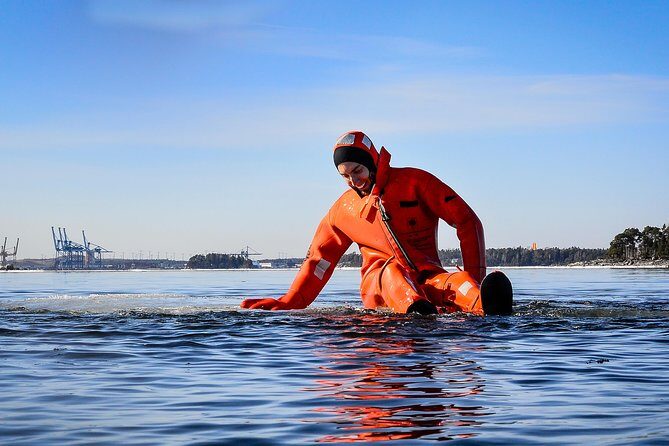
- Warmth that changes your attitude: suits protect you so the cold isn’t the main story
- Season-based learning: ice days focus on ice behavior; open-water days focus on rescue and survival tips
- Guided entry and support: if you struggle, the team helps you get into the water safely
- Real Nordic winter fun: penguin-like walking across thin ice in a safe setup, then relaxing on the surface
Redrib Survival Suits: What Makes This Winter Float Work

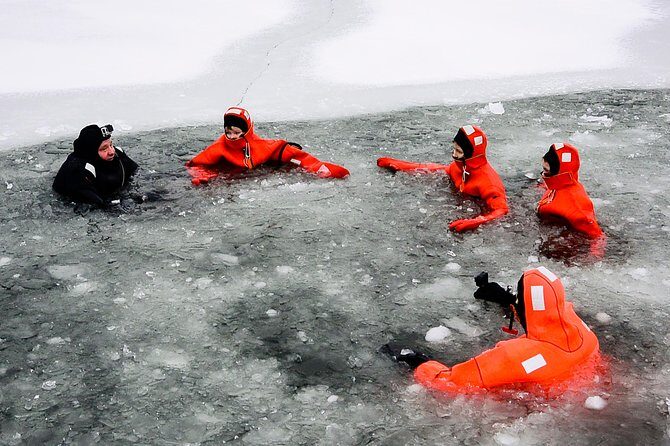
This is a simple premise with a lot going for it: you wear a survival suit designed to keep you warm and dry while you’re in very cold Baltic water. The result is psychological as much as physical. Instead of worrying about freezing right away, you can focus on what you’re doing—floating, moving around, and listening to the instructor’s guidance.
In plain terms, you’re buying three things for your time in Helsinki: safety coaching, a warm-wrapped way to experience winter water, and a chance to learn what actually matters in cold-water survival. The suits show up in the reviews again and again: people say they barely feel the cold water, and that the insulation is strong enough that even the nervous folks end up having a great time.
The learning angle is practical. On ice-season days, the instructor talks about ice behavior and how conditions affect you, then you spend time relaxing on floating ice rafts. On open-water days, the focus shifts to rescue at sea, hypotermia basics, and survival techniques. Either way, you’re not just watching winter from behind a window—you’re in it.
You can also read our reviews of more tours and experiences in Helsinki.



The Water Lesson: Safety Talk, Rescue Basics, and Hands-On Time
Your instructor leads the whole session, and the teaching style is part of the value. The information isn’t abstract. You get explanations tied directly to what you’re about to do in the water.
Here’s the broad flow that you should expect:
- You arrive in seasonal clothing at the on-shore meeting area.
- You get suited up with what you need for the float.
- You get a safety briefing, including topics like rescue at sea and hypothermia.
- You practice in a controlled, guided way—first settling into the sensation, then doing more active moments when conditions allow.
- You finish back at the meeting point.
The most praised part in the reviews is the calm attention from the guide. One person noted they felt safe even without swimming skills, and another described feeling both excited and a little scared in a good way because the team clearly explains what to do and helps when someone needs assistance entering the water.
On icy days, you can expect instruction connected to how ice behaves—what to pay attention to and how to move without panic. On open-water days, you’ll spend more time on relaxation and on the survival-related lessons the instructor covers. Either version still includes time for floating, and in several accounts, people also mention jumping into the water after guidance.
What You Wear: Suits, Extra Layers, and Smart Underlayers
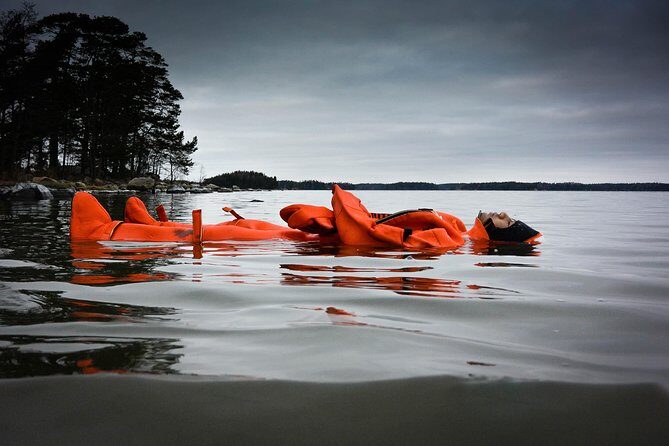
This is where the experience gets real. The suits are the star, but what you wear under them can help you feel comfortable from minute one.
From the info you’re given and what people report:
- You can come in normal seasonal clothing.
- The team provides the survival suit and additional cold-weather items like extra socks, mittens, and warm wool layers (including sweaters).
- You should wear warm layers and socks underneath so you’re not starting from thin or damp clothing.
That setup matters for two reasons. First, you’re dealing with wind and cold air at the water’s edge, not just cold water. Second, once you’re in the suit, comfort is about consistency: dry warmth plus layers that don’t bunch or shift as you move.
One practical tip I’d follow: treat your underlayers like you’re dressing for a long walk outside in Helsinki winter, because you likely will be. Even with a good suit, the time before you’re fully suited and in the water can feel chilly.
Ice Season vs Open Water: The Two Versions of the Same Adventure
Helsinki can give you two totally different settings even within the same month. Redrib builds the session around that reality, and that’s one reason people rate it so highly.
When there’s ice
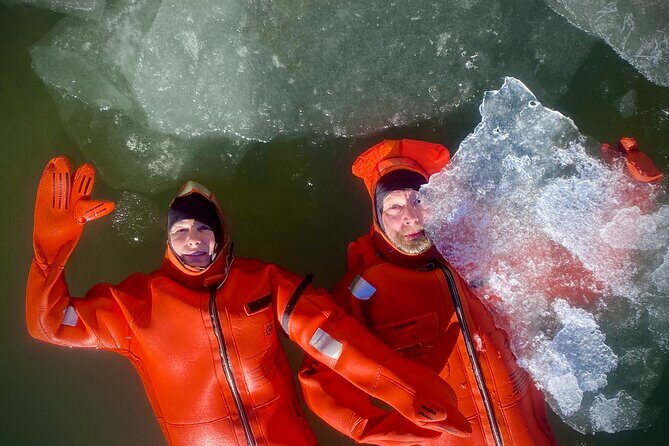
If winter conditions allow, the session centers on ice behavior and how ice affects you. You’ll relax on floating ice rafts, and when it’s appropriate, you may be encouraged to jump around and move while staying within the safety plan. The vibe changes from gentle floating to more “test your winter balance” energy.
One reviewer described walking and being careful on thin, breaking ice in a controlled situation. That’s the point: you practice how to be on ice when it matters, without throwing yourself into danger.




When there’s no ice
Even without ice, you’re still in cold Baltic water with the suit doing its job. In this version, the focus leans more toward rescue at sea education, relaxation, and survival techniques rather than ice behavior.
So if you’re booking for a specific winter date, don’t worry about hoping for a perfect sheet of ice. The experience adjusts. You still get the cold-water immersion and the guided float portion.
Meeting at Merisatamanranta: Timing, Small-Group Flow, and Where It Ends
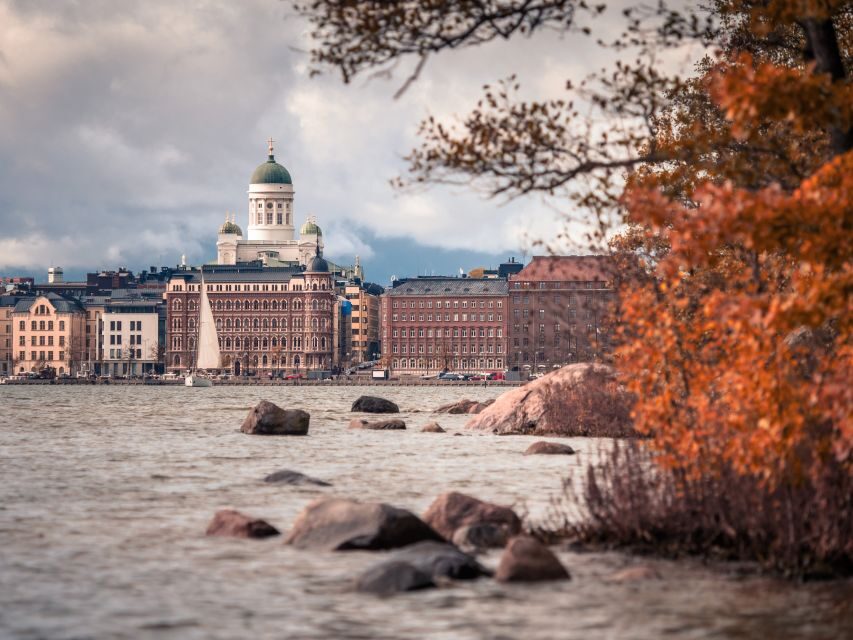
Your start point is Merisatamanranta 10, 00150 Helsinki. The tour runs about 1 hour 30 minutes, and it starts at 12:00 pm. It ends back at the meeting point.
That loop matters more than you might think. Helsinki days can get packed, and knowing you’re not transferring far into the city twice helps you plan. Plus, being near public transportation is a big plus when you’re doing something weather-dependent.
One detail that can affect your timing: locations may vary due to weather conditions. The activity is always done in natural conditions, in the water, so the exact spot can shift to match the day’s conditions.
In at least some cases, staff have helped with getting to the water spot, so don’t be surprised if you get directions or a short transfer depending on where the safest accessible water area is that day.
The Value Question: $162.20 for 90 Minutes in Winter
Let’s talk money honestly. $162.20 for about 1.5 hours is not cheap. If you’re expecting this to be a casual activity where you mostly enjoy scenery and snap photos, it’ll feel expensive.
But the value gets clearer when you look at what’s included and what you’re paying for:
- Survival suits and cold-weather gear provided.
- A guided session in open water or on ice, not just a warm indoor presentation.
- Active safety coaching, including rescue and hypotermia education.
- Small-group attention (max 15), which is exactly what you want when conditions can be rugged.
Several reviews mention the guides being professional, friendly, and focused on safety, including helping people who were nervous or weren’t confident in the cold. That coaching is hard to fake, and you can feel the difference between a “ride the wave” demo and a serious safety-first water session.
So I’d judge the price by this question: Do you want a real winter-water experience with proper support, or do you only want a quick novelty? If you want the supported, guided version, the cost starts to look more fair.
Who Should Book This Redrib Survival Suit Experience
This is a great match if you want:
- An active way to enjoy Finnish winter, instead of staying indoors.
- A guided first encounter with cold water that reduces the fear factor.
- Practical learning tied to what you’re doing right there in the Baltic.
It also works well for people who don’t treat cold plunges like a sport. Many accounts emphasize that even nervous swimmers and people who can’t swim felt supported and safe.
You might want to think twice if:
- You hate the idea of being in cold water no matter how much insulation you get.
- You expect a long, relaxed sightseeing tour. This is about the water time and the lesson tied to it.
Should You Book It? My Decision Checklist
If you’re in Helsinki during winter and you want one memorable, winter-specific experience, I think this is a strong book. It hits the sweet spot: you get guided safety education, you’re out in natural conditions, and you’re not stuck inside while the city does its winter thing.
Here’s how I’d decide in 30 seconds:
- Book it if you’re curious about cold-water survival basics and want a warm suit safety net.
- Book it if you like hands-on activities more than lectures.
- Pass if you’re looking for a bargain or you’re not comfortable with the reality of cold water, even when protected.
FAQ
FAQ
Where is the meeting point?
The meeting point is Merisatamanranta 10, 00150 Helsinki, Finland.
What time does the experience start?
The start time is 12:00 pm.
How long is the Redrib survival suit experience?
It runs for about 1 hour 30 minutes.
What language is the tour offered in?
It’s offered in English.
How big is the group?
The maximum group size is 15 travelers.
Is it always done in the water?
Yes. The activity is always done in natural conditions in the water.
What topics will the instructor cover?
In open water season, the focus includes rescue at sea, relaxation, and survival techniques. In ice conditions, the focus includes ice behavior, its effects, and relaxation. You can also expect discussion of rescue at sea and hypotermia, plus benefits of starting ice swimming.
What should I wear?
You can come as you are in normal seasonal clothing. For comfort, plan for warm underlayers, since you’ll be in cold conditions before you’re fully suited.
Do they provide the suit and cold-weather gear?
Yes. The company provides everything you need for the float, including the survival suit and additional cold-weather items like extra socks, mittens, and warm wool layers.
Is there a chance the route or water spot changes?
Yes. The on-shore location can vary depending on weather conditions, since the activity stays in natural conditions and in the water.
Can I cancel for a full refund?
Yes. You can cancel for a full refund if you cancel at least 24 hours before the experience’s start time. Free cancellation is available under that window.