REVIEW · ROVANIEMI
Rovaniemi: Ice Floating Experience
Book on GetYourGuide →Operated by Wonderlapland · Bookable on GetYourGuide
The Arctic quiet hits different when you’re floating. This Rovaniemi ice floating experience trades rush for stillness—out on a frozen lake in winter Lapland, dressed in thermal survival gear that keeps you warm and buoyant. It’s a small-group outing (max 9) on private land, with a live guide and a hot drink and fresh cookies waiting afterward.
What I love most is the way the activity turns winter scenery into something you can feel, not just look at. You’re up close to the snow-covered wilderness from ice level, with a huge sky overhead and long stretches of calm. I also like that the thermal survival gear is part of the deal, not something you have to guess about on your own.
One practical drawback to plan for: the changing setup may be chilly. In winter temperatures that can drop to around -24°C, a cold room for swapping clothes can be uncomfortable, especially before and after you get into the lake.
In This Review
- Key things I’d plan around before you go
- Floating on ice in Rovaniemi: what that serenity really means
- Thermal survival gear and the safety briefing: comfort first, then calm
- The real-world flow: how a 3-hour experience usually feels
- 1) Pick-up, arrival, and gear time
- 2) Safety briefing and instructions
- 3) The floating itself
- 4) Warm up with a hot drink and fresh cookies
- 5) Back to the pickup point
- Weather in Lapland: why your plan might shift
- Price and value: is $141 worth 3 hours?
- Who should book this ice floating trip (and who should skip it)
- You’re a good fit if…
- You should not book if…
- The guide experience: what to expect from Wonderlapland
- Practical packing tips so you stay warm (and comfortable)
- Should you book the Rovaniemi ice floating experience?
- FAQ
- How long is the ice floating experience?
- Where does the activity take place?
- Is pick-up and drop-off included?
- What’s included in the price?
- What languages are available for the live tour guide?
- How big is the group?
- What do I need to bring?
- Are alcohol or drugs allowed?
- What if the weather is bad?
Key things I’d plan around before you go
- Frozen-lake calm: You’re floating on an icy lake in a quiet Arctic setting, not “doing” sights nonstop.
- Thermal survival gear included: You don’t have to source proper buoyant winter protection yourself.
- Small group size (9 max): Easier instructions, less crowding, and more time for the calm to sink in.
- Hot drink + fresh cookies after: A proper warm-down, not just a photo moment.
- Weather matters: The experience can be rescheduled or canceled if conditions aren’t suitable.
Floating on ice in Rovaniemi: what that serenity really means
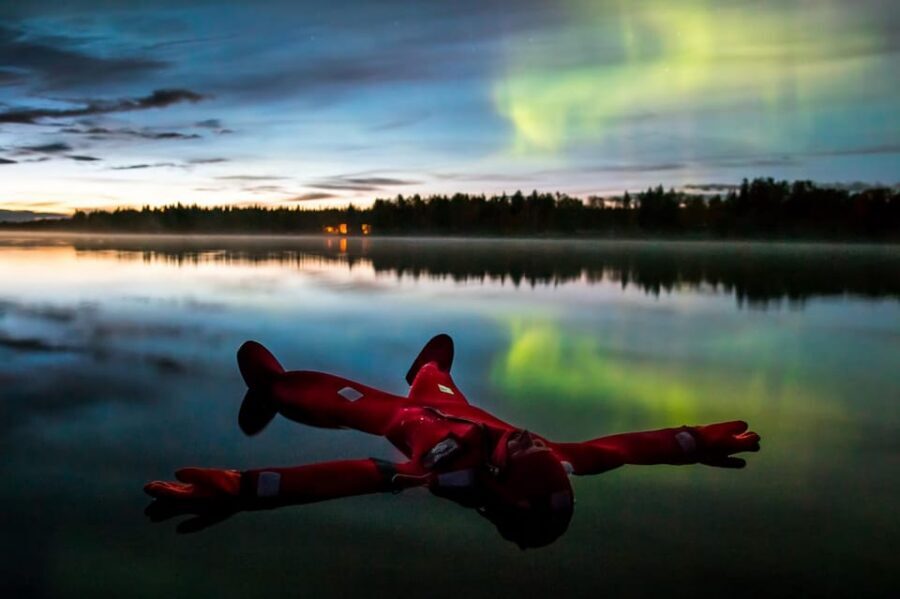
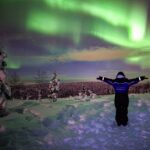
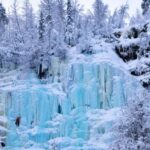
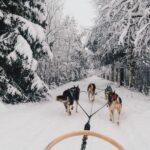
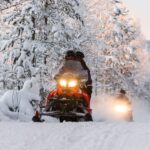
Rovaniemi is a magnet for Northern Lights tours, husky rides, and snowmobile tracks. This experience is different. The main event isn’t a drive, a stop, or a spectacle. It’s you, out on a frozen lake, floating while the world stays still around you.
That’s the core value: you get a new perspective without needing special camera gear or fitness. From the ice, the Arctic scenery feels wide and quiet—snow fields, open air, and that slow winter light that makes everything look softer. Even if you’re the type who normally rushes through activities, ice floating nudges you toward doing less.
You’ll also notice how the sky changes the mood. In Lapland, winter skies can feel enormous. When you’re low to the water and surrounded by snow, the “ceiling” of the sky feels closer. It’s one of those experiences where your brain slows down because there’s no urgency built into it.
The other big plus is buoyancy. Floating on ice is not the same as wading or standing in cold water. With the right gear on, you spend your energy on staying relaxed rather than fighting the cold.
You can also read our reviews of more tours and experiences in Rovaniemi.


Thermal survival gear and the safety briefing: comfort first, then calm
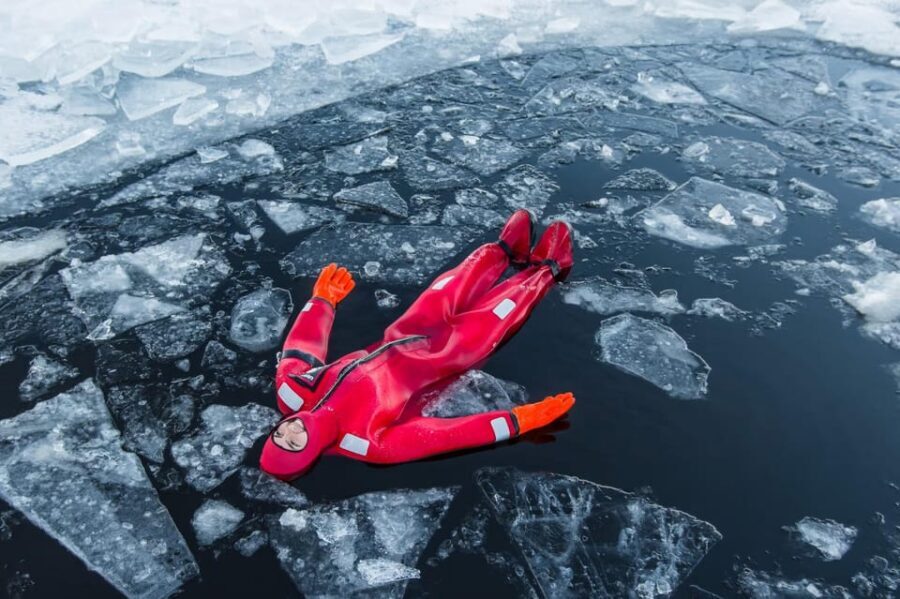
This activity includes thermal survival gear, and that matters more than it sounds. The purpose of that gear isn’t only warmth—it’s also about staying comfortably buoyant in the water. That combination is what makes ice floating feel surreal (in a good way) instead of stressful.
Before you get on the water, you’ll have a safety briefing and instructions from the live guide. I treat this part like “set yourself up for success.” If you listen closely, follow the steps, and understand how to move safely in and out, you’ll enjoy the floating more and worry less.
Two more key points from the rules:
- You should be comfortable in water and you should know how to swim.
- Alcohol and drugs aren’t allowed.
That’s not just formality. Floating works best when your body is calm and your movements are controlled. If you go in tense, the cold feels harsher. If you go in relaxed and prepared, the experience tends to feel more peaceful and manageable.
The real-world flow: how a 3-hour experience usually feels
The total duration is 3 hours, and the timeline is designed to keep you from burning time on logistics. Since pick-up and drop-off are included, you’re not piecing together rides while also trying to get ready for winter conditions.
Here’s the rhythm you should expect, in plain terms:
1) Pick-up, arrival, and gear time
You’ll be met for pick-up and then taken to where the activity happens on private land. Once you’re there, you’ll get into your thermal survival gear. This is the moment to focus on fit and comfort—zip lines, straps, and layers should feel secure without restricting movement too much.
If the changing area is a bit cold (it can be), the best move is simple: wear warm layers you can put on quickly and bring extras you can dry off afterward. Even if your gear is built for winter, you don’t want to spend your whole experience half-freezing while you wait.
2) Safety briefing and instructions
Your guide will walk you through what to do before you step into the ice-float setup. This is where you learn how the experience works and what to do if something feels different than you expected.
Pay attention here, especially if you’re new to cold water. Ice floating is calming, but you still need a clear plan for getting in, floating, and getting out.
3) The floating itself
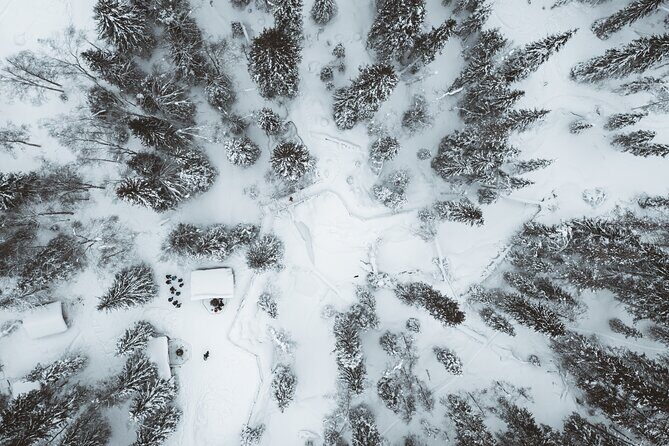
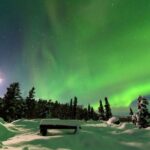
Then comes the main event: you float peacefully on the frozen lake. This is the moment the experience earns its reputation. You’re surrounded by snow-covered wilderness, and with the thermal gear doing its job, the cold becomes background noise instead of the main storyline.
This is also when you’ll notice the soundscape. In a quiet Arctic winter setting, you often hear less than you expect. Wind patterns, your own breathing behind the gear, and the faint sounds of winter can make the experience feel almost meditative.
4) Warm up with a hot drink and fresh cookies
After the floating time, you warm up with a hot drink and fresh cookies. This is a big deal for practical comfort. Cold exposure can make you feel wiped out even when you enjoyed it. A real warm-down helps you leave feeling human again, not just “survived.”
5) Back to the pickup point
Finally, you’ll get dropped off back after the activity. With transportation included, you can plan the rest of your evening without guessing about timing.
Weather in Lapland: why your plan might shift
This experience is weather-dependent. That means your outing may be rescheduled or canceled if conditions are unsuitable. In Lapland winter, that’s not a “gotcha”—it’s part of operating safely and keeping the experience enjoyable.
Here’s what you can do to protect your trip:
- Keep flexible timing in your Rovaniemi schedule when possible.
- Pack layers even for off-days, because you’ll likely still be outside in winter conditions.
- Expect that the day’s temperature and snow/ice conditions can affect what’s possible.
The good news? When you’re traveling in winter for Northern Lights and Arctic experiences, you’re already mentally paying the “weather tax.” This trip simply admits it upfront and handles it with rescheduling or cancellation when needed.
Price and value: is $141 worth 3 hours?
At about $141 per person for roughly 3 hours, you’re paying for a few things that often cost more when you plan them separately:
- On-site thermal survival gear: This can be expensive to source and still might not fit as well as a tour-grade setup.
- Safety briefing and guide time: You get live instruction in real winter conditions.
- A small group (up to 9): That’s less crowded and usually easier for getting help when you need it.
- Hot drink and fresh cookies after: It’s a built-in warm-down, not an afterthought.
- Pick-up and drop-off included: Transport can add up quickly in winter.
So the value question isn’t just the clock time. It’s how much of the winter risk and complexity gets handled for you. If you’re visiting Lapland and you don’t want the hassle of figuring out cold-water setup, this price can feel reasonable. You’re buying comfort, guidance, and the calm experience itself.
If you’re on a tight budget, consider timing and how many winter “paid experiences” you pack into your trip. Ice floating is more about serenity than “more activities.” If that matches your travel style, you’re likely to feel it was worth it.
Who should book this ice floating trip (and who should skip it)
This one is surprisingly specific about who it’s for.
You’re a good fit if…
- You can feel comfortable in water and you know how to swim.
- You’re okay being outdoors in winter conditions and wearing warm layers.
- You want a winter experience with stillness and a unique viewpoint rather than a long checklist of stops.
You should not book if…
The activity is not suitable for:
- Pregnant women
- People with back problems
- People with heart problems
If any of those apply, it’s better to choose a different kind of Lapland winter day that doesn’t involve cold-water floating.
The guide experience: what to expect from Wonderlapland
The live guide runs the experience and provides safety instructions. The tour language options listed are English, Spanish, and French. In winter, good guiding matters because small details—how to get in, how to move, what to do if you feel chilled—can change the whole vibe.
The best sign you’ll enjoy it: you’ll feel like someone has thought through your comfort end-to-end. And while the floating is the star, the guide is what keeps the experience smooth and calm from the moment you meet them.
Practical packing tips so you stay warm (and comfortable)
The tour asks you to bring warm clothing. That’s your baseline. From there, I’d pack with “changing zones” in mind.
A smart winter packing approach:
- Wear warm base layers you can get into quickly.
- Bring extra dry layers for after the water time.
- If you get cold easily, plan your insulation like it’s an outdoor day first, and a floating day second.
One note based on real-world comfort issues seen in very cold conditions: the changing room can feel cold and not heated. That means you shouldn’t rely on a warm waiting area to fix your comfort.
Should you book the Rovaniemi ice floating experience?
Book it if you want:
- Arctic calm on a frozen lake
- A hands-on winter experience with included thermal gear
- A small-group outing that’s simple to manage
- A warm drink and fresh cookies as your reward
Skip it if:
- Cold-water activities make you uneasy
- You’re in a category the provider lists as not suitable (pregnancy, back problems, heart problems)
- You’re planning your trip with zero flexibility for weather
If you match the “comfortable in water + swim knowledge” requirement, this is one of those rare winter activities that feels different from the usual parade of Lapland options. It’s not about speed. It’s about stillness—and that Arctic quiet is the whole point.
FAQ
How long is the ice floating experience?
It lasts 3 hours.
Where does the activity take place?
It takes place in Lapland, Finland, set on private land in the Arctic area around Rovaniemi.
Is pick-up and drop-off included?
Yes. Pick-up and drop-off are included.
What’s included in the price?
Thermal survival gear is included, plus a hot drink and fresh cookies after the activity.
What languages are available for the live tour guide?
The live tour guide speaks English, Spanish, and French.
How big is the group?
The group is small, limited to a maximum of 9 participants.
What do I need to bring?
You should bring warm clothing.
Are alcohol or drugs allowed?
No. Alcohol and drugs are not allowed.
What if the weather is bad?
The experience is weather-dependent, and it may be rescheduled or canceled if conditions are unsuitable.