REVIEW · RUKA
Ruka: Ice fishing trip
Book on GetYourGuide →Operated by Ruka Safaris · Bookable on GetYourGuide
Ice fishing feels like winter’s version of instant gratification. In Ruka, you get the how-to, a shot at real local fish, and a break that actually warms you up.
What I like most is the hands-on way you’re taught. You walk a short way to the frozen lake (snowshoes included), drill your own hole, and learn how the simple tackle works before you start trying to catch as much as possible. The second big win for me is the payoff if you’re lucky: if you catch fish, the guide shows you how to prepare it over an open fire.
One thing to consider is that the trip runs as open departures and requires a minimum of 4 participants. If your group ends up larger than you’d prefer, the experience can feel a bit crowded at the fishing spots—though the guides tend to keep things friendly and moving.
In This Review
- Key things that make this trip worth your time
- Pilkki in Ruka: why this is such a local kind of winter fun
- Getting there on time: pickup windows and a 10:15 start
- Walking onto the ice: snowshoes and drilling your first hole
- The fishing part: what you’ll do and what to aim for
- The warm break: coffee, tea, snacks, and open-fire fish prep
- Price and value: what $111 buys you in Ruka
- Who should book, and who might want a different style of tour
- Should you book Ruka Safaris ice fishing with pickup?
- FAQ
- How long is the ice fishing trip in Ruka?
- What does the tour cost, and what’s included?
- What fish might you catch during pilkki?
- Where is pickup in the Ruka area?
- What should I bring or wear?
- What happens if the minimum group size isn’t met?
Key things that make this trip worth your time
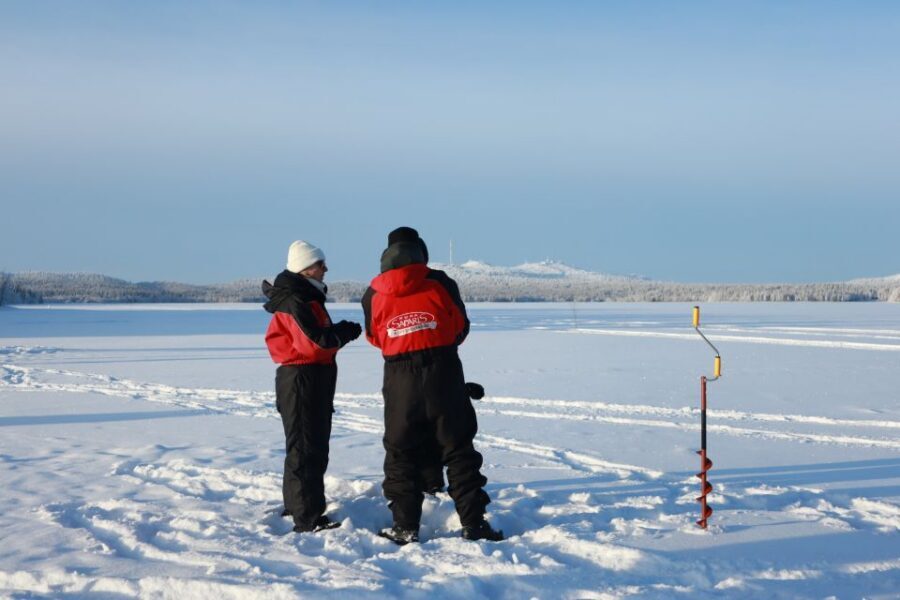
- Pilkki, taught step by step: drilling the hole and using the rods is part of the program.
- A real frozen-lake setting: you fish on a beautiful, frozen lake right in Northern Ostrobothnia.
- You might catch several local species: perch, whitefish, roach, pike, and even grayling.
- Warm break included: coffee, tea, and a snack while you regroup.
- Fish prep by an open fire: if you catch fish, you learn how to handle it for cooking.
- English + Finnish guide: support is built into the activity, not left to luck.
Pilkki in Ruka: why this is such a local kind of winter fun
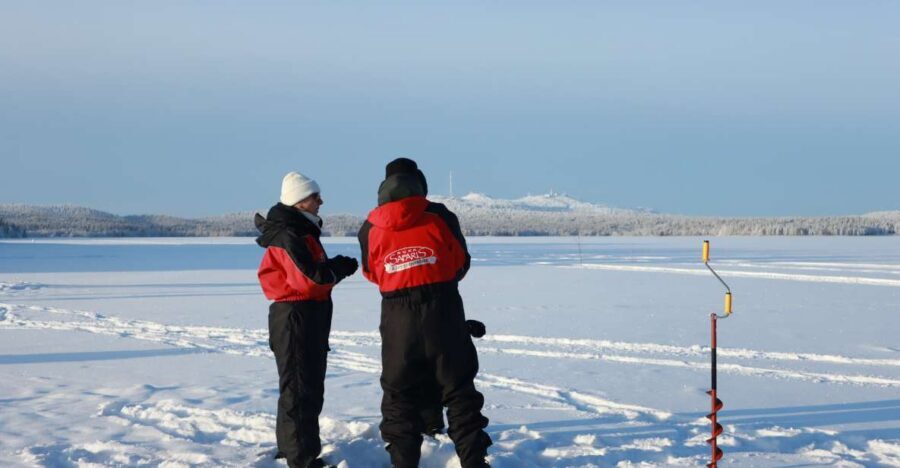
In Finnish, this sport is called pilkki, and in Ruka it’s more than a tourist activity. It’s one of those everyday hobbies locals return to all winter, the kind you see people talk about the way others talk about weekend sports.
This matters because the trip is designed around the real rhythm of ice fishing, not just the photo. You’re not just handed gear and pointed at a hole. You’re taught how to drill, how to work the rod setup, and how to think like someone fishing on ice. That makes your time on the lake feel productive, even if the bite is slow at first.
Also, the setting is part of the appeal. You’re out on a frozen lake in Northern Ostrobothnia, and you feel that sharp winter calm. Even when you’re not catching nonstop, you’re still doing something practical outdoors—moving carefully on the ice, concentrating on your line, and learning what changes when the weather shifts.
If you’re a beginner, that’s even better. The guide explains what to do, and you get multiple chances to try before your 3 hours are up. If you’re more experienced, you’ll likely appreciate the structure and the way fish handling is included in the experience.
You can also read our reviews of more tours and experiences in Ruka.

Getting there on time: pickup windows and a 10:15 start
The trip is scheduled for a 3-hour duration, with the activity start at 10:15. Pickup times vary depending on which Ruka area stop you select. For example, pickup is listed at 9:25 for Rukan Salonki, 9:45 for Ruka Village, 9:55 for Ruka Valley, and 10:00 for Mastonaitio. The key point: you should show up at the pickup point on time, because the group needs to move together toward the lake.
One practical thing: pickup-point signage can be confusing if you rely on GPS too much. In one review, the traveler had to spend about 30 minutes searching for the guide because the GPS didn’t match where the guide was waiting. You can prevent that kind of stress by double-checking the pickup spot name, arriving early, and having your phone map ready even if it looks slightly different in real life.
Once you’re picked up, the pace stays simple. You’ll head toward the lake area and then put on snowshoes for the short walk to your fishing zone. That short transfer is important because it gets you settled on-site without eating up your limited time.
Walking onto the ice: snowshoes and drilling your first hole
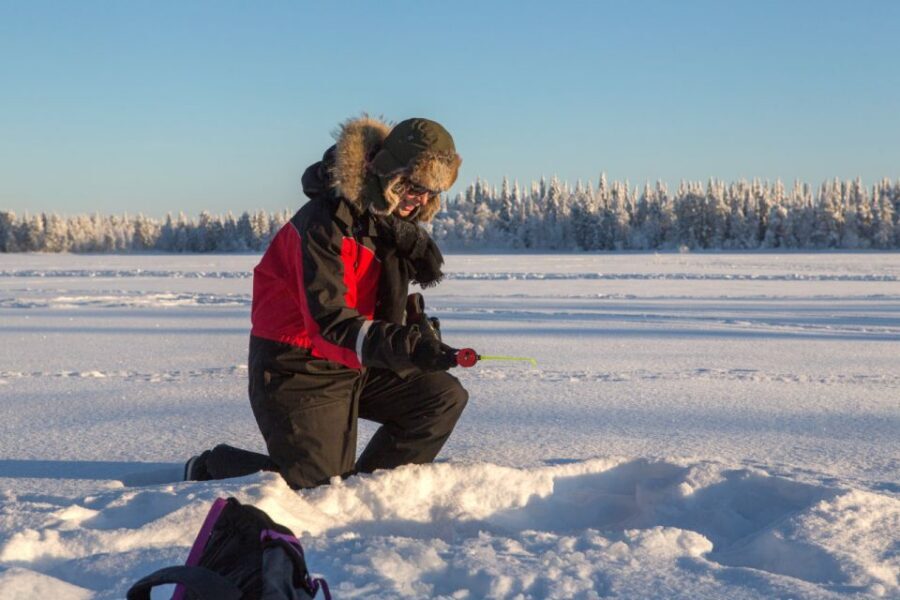
The lake walk is brief, but it’s not just a stroll. Snowshoes help you move safely and steadily over winter conditions, especially when snow is covering the ice surface. It’s a good “warm-up” phase because it gets you moving before you sit down at the hole for the waiting game.
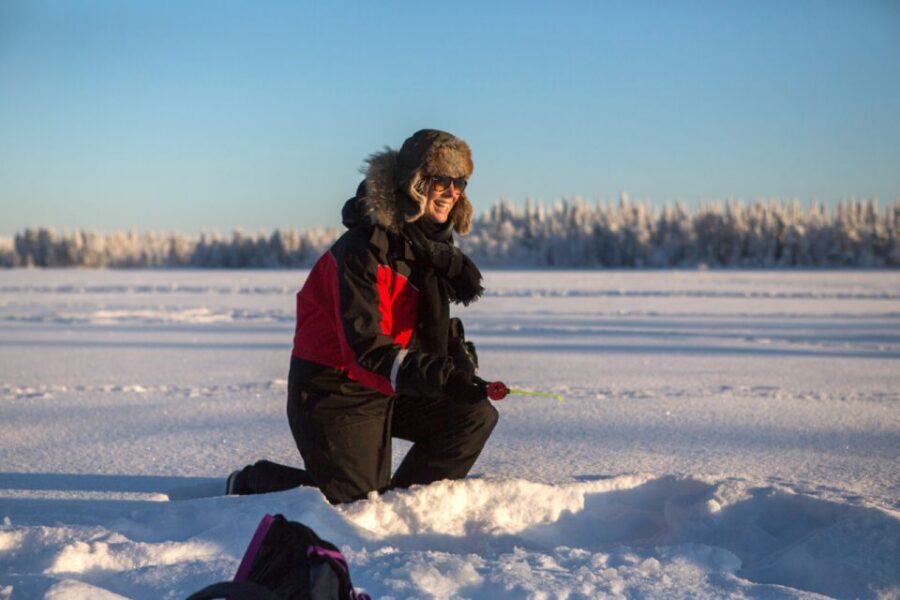
Then comes the core skill: drilling. You’ll be shown how to drill a hole and how to use the fishing rods properly. This is where your confidence starts, because ice fishing looks easy until you’re the one preparing the hole and managing the line under cold conditions.
Here’s what you should keep in mind while you practice:
- The cold makes everything harder, especially hands. One review explicitly mentioned covering your hands well.
- The better you handle your equipment, the more comfortable you’ll feel while you wait for bites.
- Ice fishing is partly patience and partly tiny adjustments. The guide’s instructions help you avoid wasting time doing the wrong thing.
Even if you don’t hook anything immediately, the drilling and setup phase makes the trip feel like real learning. You’re not stuck in passive mode. You’re building a small skill set you could use again later in Finland.
The fishing part: what you’ll do and what to aim for
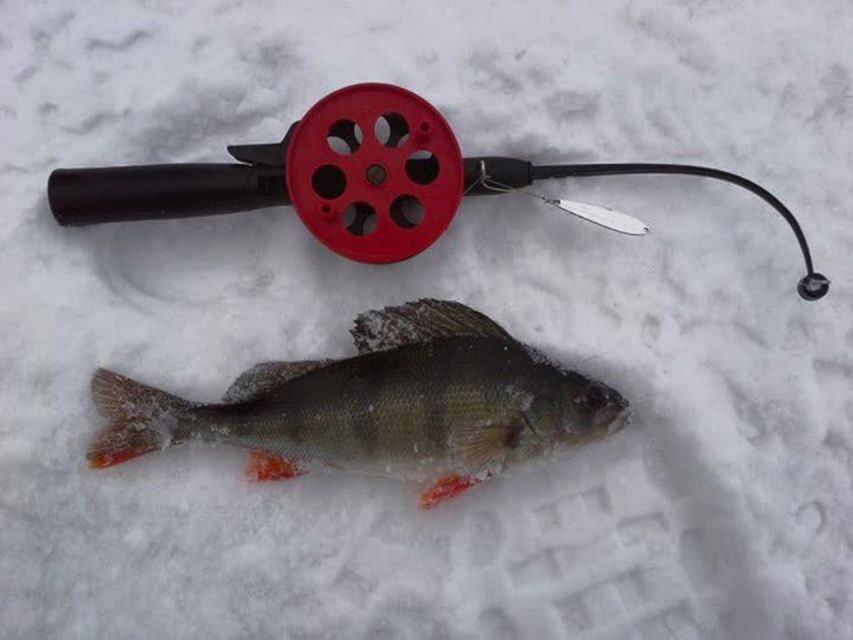
On the ice, your job is to try to catch as much fish as possible. The species you might encounter include perch, whitefish, roach, pike, and even grayling. That variety is a big reason this tour appeals to lots of travelers. It’s not one-species fishing where your experience depends entirely on one outcome.
In other words, your odds aren’t just about luck. The guide’s teaching gives you a fair shot at understanding the basics quickly, so you spend less time guessing. And because you’re on a frozen lake in a region where ice fishing is a real local hobby, the setup makes sense for the fish you’re trying to catch.
Do be mentally ready for the reality of winter fishing. Sometimes you catch. Sometimes you don’t. One review described a trip where the group didn’t manage to catch fish, and even then the experience was still enjoyable. That’s the right mindset: you’re paying for instruction, time outdoors, and the full “pilkki day” rhythm, not a guaranteed trophy.
Also, watch how fish handling is handled. One review mentioned a fish was returned to the water because it was too small to keep. That’s a good sign of responsible practice and it means you’re learning the local approach, not just fishing for a pile of meat.
The warm break: coffee, tea, snacks, and open-fire fish prep
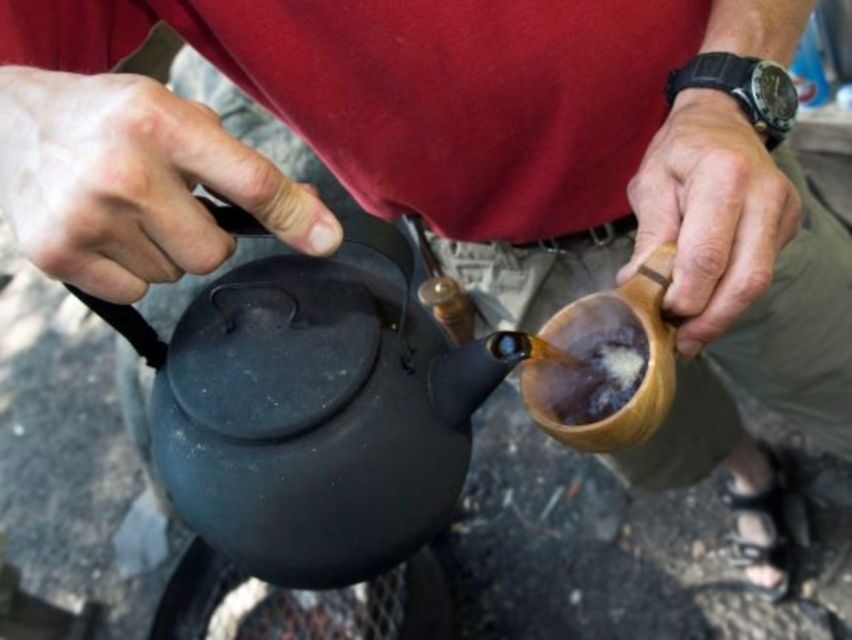
After fishing, you’ll have a break with coffee, tea, and a snack. This is more than a small bonus. In real cold weather, a warm drink and a bite to eat can reset your energy quickly, especially if your hands and fingers have been working hard with tackle.
The coolest part, if you caught fish, is what happens next. The guide shows you how to prepare the fish by an open fire. That turns your catch into a full experience: catching, then learning how to handle the fish in the context of cooking.
For you, that means the trip offers closure. You’re not just standing on ice and hoping. You get a practical lesson that ties the outdoor activity to real Finnish winter food culture. Even if you don’t catch fish, the break still gives you warmth and a moment to breathe before heading back.
Guides are described as sympathetic and helpful, which matters here. Fish preparation can be awkward for first-timers, and you’ll want someone friendly and patient explaining what to do.
Price and value: what $111 buys you in Ruka
The price is listed at $111 per person, and the tour includes pickup from the Ruka area. For a 3-hour winter activity, that can feel either fair or steep depending on what you’re comparing it to.
Here’s the value logic as I see it:
- You’re paying for a guide to teach drilling, rod use, and fish handling.
- You’re paying for time outdoors with a structured, local-style program, not just access to a lake.
- You’re getting warmth included via coffee, tea, and a snack.
- Pickup saves you time and helps you avoid figuring out how to reach the right spot.
This isn’t a bargain activity, but it’s also not a complicated one to replace on your own. If you’ve never done pilkki, going DIY means you’d need gear, know-how, and local guidance on where and how to fish safely. This tour collapses all those unknowns into a single guided block of time.
The other value angle is flexibility. The booking info includes free cancellation up to 24 hours in advance for a full refund, and the reserve now & pay later option helps you keep your schedule loose. If weather conditions or travel timing shift, you’re not locked in.
Who should book, and who might want a different style of tour
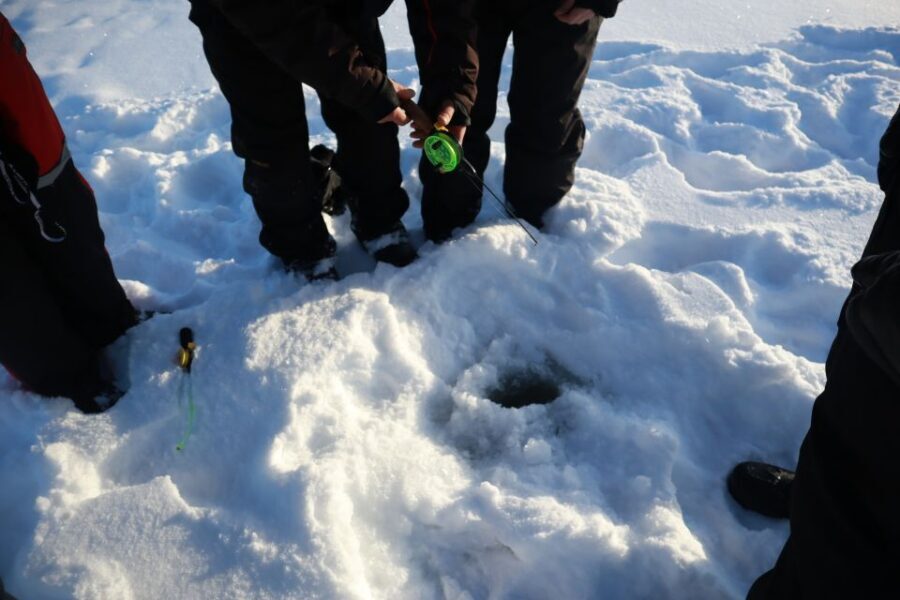
This ice fishing trip fits best if you want:
- A short, guided winter activity with clear structure.
- Beginner-friendly instruction on how pilkki works.
- A chance to catch fish and learn what to do next.
- A warm break included, without extra planning.
You’ll especially enjoy it if you like hands-on learning and don’t mind the waiting part of fishing. The tour is designed for the “do it properly” feeling, where the guide walks you through the basics so you can actually participate.
You might want to think twice if you strongly dislike group settings. One review noted the group felt a bit too large on the ice, even though the guides were friendly. Ice fishing needs space, and crowded spots can reduce how relaxed it feels. If you prefer quieter, small-group adventures, you may want to check availability and aim for a day when fewer people join.
Should you book Ruka Safaris ice fishing with pickup?
If you’re in Ruka and you want a real taste of how locals do winter, this is a solid choice. The biggest reasons are practical: you get taught how to fish, you get warm drinks and snacks, and you get a guided learning moment for fish prep over an open fire if you catch something.
Book it if:
- You want a guided introduction to pilkki basics.
- You value pickup convenience in a snowy place where timing matters.
- You like outdoor winter activities that are active, not just sightseeing.
Consider skipping or choosing another format if:
- You prefer very small groups.
- You’re extremely anxious about finding a pickup spot. If that’s you, plan to arrive early and double-check the exact pickup-stop name and location before you leave.
FAQ
How long is the ice fishing trip in Ruka?
The experience lasts 3 hours.
What does the tour cost, and what’s included?
It costs $111 per person and includes pickup from the Ruka area.
What fish might you catch during pilkki?
You may catch perch, whitefish, roach, pike, or even grayling.
Where is pickup in the Ruka area?
Pickup depends on which stop you choose: Ruka Village Skibus Stop (Rukatunturintie 11), Ruka Valley Skibus Stop (Bistrotie 4), Mastonaitio Skibus Stop (Vuosselintie 5), or Rukan Salonki Pick Up Point (Salongintie 6).
What should I bring or wear?
Wear comfortable clothes, and it’s a good idea to protect your hands well in the cold.
What happens if the minimum group size isn’t met?
The program runs if a minimum of 4 persons joins. You’ll be notified at the latest by 3 p.m. the day before if it is cancelled.