REVIEW · ROVANIEMI
Snowshoeing in the Arctic Wilderness
Book on GetYourGuide →Operated by Wild Nordic · Bookable on GetYourGuide
Snowshoeing in Lapland turns a day off-grid fast. I love the quiet Arctic woods you move through on snowshoes, and I also love the warmth of the reindeer burgers by the open fire. The main thing to watch is that this can feel a little physically demanding in deep snow, so you’ll want to be honest about your stamina before you go.
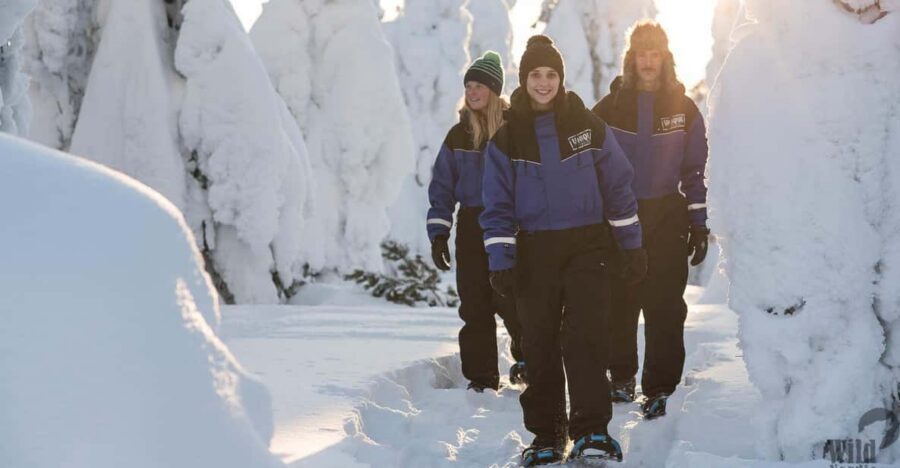
The setup is friendly: you get pickup from central Rovaniemi meeting points and return transfers, plus thermal clothing like overalls, boots, gloves, and wool socks. Guidance is in English, and the group is kept small (limited to 8), which makes it easier for the guide to tailor the pace.
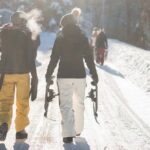
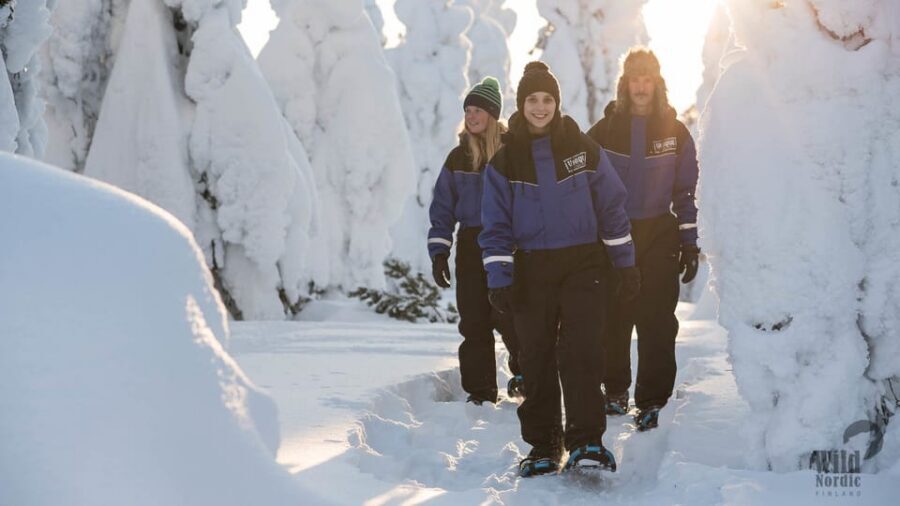
The best part is how the day mixes walking with a proper camp moment. You’ll follow your guide through white-covered trees and snowy trails, then settle at a picnic spot where you’ll hear Lapland stories and get a fire-cooked bite.
In This Review
- Key things worth knowing before you go
- A 4-hour Arctic reset in snowy Lapland
- Price and value: what the $140 actually buys
- Getting from Rovaniemi to the wilderness: pickups that keep it easy
- The route on snowshoes: frozen rapids, forest quiet, and real traction
- What the guide actually does (beyond pointing the way)
- Campfire picnic in the Arctic: Lapland stories and reindeer burgers
- Walking time vs. timing surprises: how to manage expectations
- Comfort and safety: what to wear, what not to bring
- Fitness level and who this is best for
- Photos, stories, and the small details you’ll remember
- Should you book this Lapland snowshoeing safari?
- FAQ
- How long is the snowshoeing safari in Lapland?
- Where are the pickup points in Rovaniemi?
- What’s included in the price?
- Do I need to bring snowshoes or thermal gear?
- How many people are in a group?
- Is the tour suitable for children or people with mobility impairments?
- Can I cancel for a refund?
Key things worth knowing before you go
- Small group pacing: groups are capped at 8, and the guide can adjust the timetable if everyone feels good (or wants more walking).
- Thermal clothing included: overalls, boots, gloves, and wool socks are provided, so you travel lighter.
- Frozen nature variety: expect forest walking, sometimes swamps, and even frozen lake/river crossings as part of the route.
- Fire time is real: there’s a campfire stop with reindeer burgers and Lapland stories, not a quick snack break.
- Snowshoe fit matters: if snowshoes aren’t strapped right, they can feel unstable—double-check before you walk out.
- Learn-by-doing guide moments: you may get hands-on help, including simple fire-starting tips.
A 4-hour Arctic reset in snowy Lapland
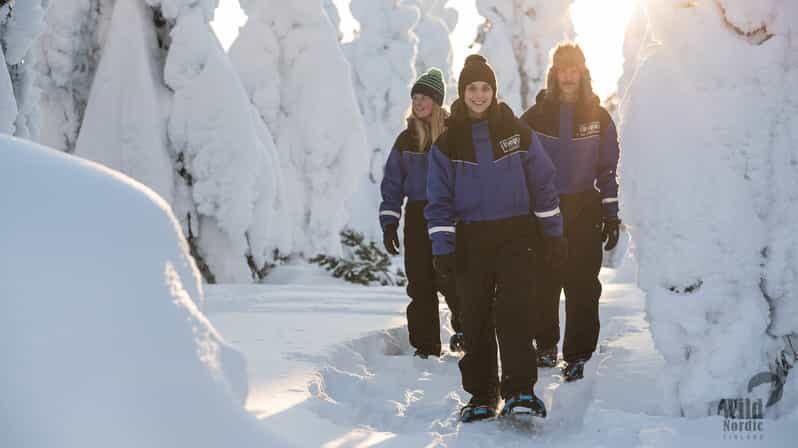
This is the kind of Lapland experience that feels simple on paper and special in real life. Snowshoeing lets you go where regular shoes struggle, so the “Arctic wilderness” vibe actually holds. You get to move quietly through a world of white trees, frozen water, and crisp air that makes your lungs feel brand new.
The timing works too. At 4 hours total, you’re not committing the whole day to one activity, but you still get enough time to feel the rhythm: gear up, walk into the woods, pause for views, then warm up by the fire. For many people, that’s the sweet spot in Rovaniemi—enough time outdoors, without feeling trapped outside all day.
You can also read our reviews of more tours and experiences in Rovaniemi.

Price and value: what the $140 actually buys
At $140 per person, you’re not paying just for “someone to walk with you.” You’re paying for the full package: return transfers, thermal clothing, English guidance, and a meal cooked by the open fire. That matters in Lapland because the cold can turn a “simple walk” into a gear headache fast.
The small group limit (maximum 8) is also part of the value equation. With fewer people, the guide can keep an eye on how everyone’s doing and help with the snowshoes and walking technique. When that group size stays small, you feel the trip is run for the people on it—not for some big conveyor belt schedule.
Getting from Rovaniemi to the wilderness: pickups that keep it easy
Pickups cover multiple Rovaniemi options, including Wild Nordic Safari Center, several Lapland hotel properties around Ounasvaara, Arctic TreeHouse Hotel, Invisible Forest Lodge, and even the city center at Valtakatu 35 (on the sidewalk along Valtakatu street with a Wild Nordic sign). You’ll want to be at your meeting point about 5 minutes early, since that helps everyone stay on schedule.
Once you’re on the van, expect roughly an initial transfer out of the city—around 40 minutes in the flow of the day. There’s also time built in for a secret stop along the route, where you’ll get guided info and scenic views on the way. It’s a small thing, but it prevents the day from feeling like all travel until you finally reach the “real part.”
The route on snowshoes: frozen rapids, forest quiet, and real traction
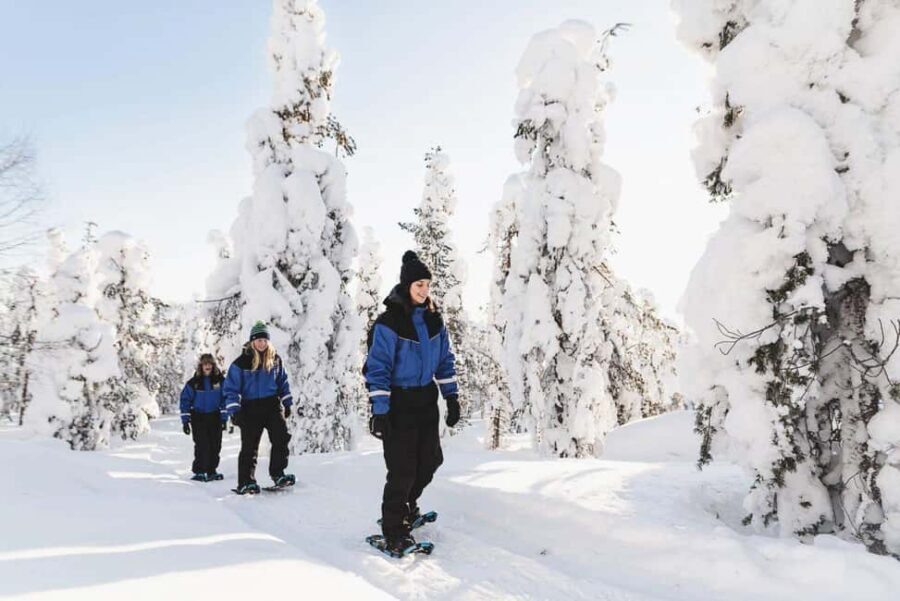
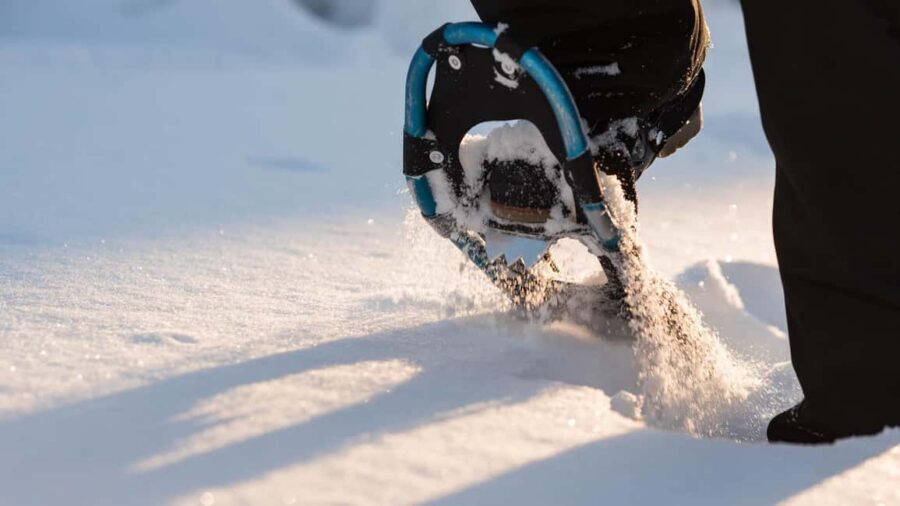
The walking part is where the experience earns its keep. You’ll explore Lapland nature by moving across snowy paths and around features that would be hard to reach in normal winter footwear. The highlights focus on frozen rapids, and you can also expect the route to include a mix of terrain—forest trails, swamps, and even frozen lake/river sections have shown up on routes in past groups.
A key practical point: snowshoes work only if the fit is right. Some groups have had snowshoe straps that weren’t attached correctly, and that can make the snowshoes feel like they keep slipping loose. So when your guide shows you how to wear them, don’t treat it as a formality. Do a quick check, then walk a few steps and confirm they feel secure before you settle into your pace.
Also expect the snowshoe walking to feel different from regular winter walking. It’s steady work, not sprinting. If you pace yourself, you’ll find it relaxing rather than exhausting, especially with the clean air and the near-silence of the woods.
What the guide actually does (beyond pointing the way)
A big reason these safaris score well is the human touch. In English-guided groups, I’ve seen guides named Antoine, Maikel, Patrick, Siggy, and Martin, and the common theme is support and explanation. You’re not just dropped into the snow with a safety spiel; you’re guided through the experience.
Guides also adjust the day based on how the group is moving. For example, there have been cases where the route timing was adjusted—more time walking, less time sitting—because everyone felt good. That kind of flexibility is a real quality signal in a cold-weather activity, where conditions and energy levels can change fast.
You may also get hands-on help at the fire stop, including simple fire-making guidance. It’s the kind of detail that turns a meal into a mini cultural moment, and it helps the campfire feel like part of the journey instead of an afterthought.
Campfire picnic in the Arctic: Lapland stories and reindeer burgers
When you arrive at the stop, the day shifts from motion to warmth. The plan includes a campfire picnic, and that’s where you hear stories about Lapland. The vibe here is less “tour script” and more “winter evening around a fire,” which is exactly what you came for in the first place.
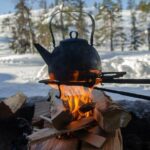
And yes—the food is traditional: reindeer burgers cooked by the open fire. It’s not a fancy tasting menu, and it doesn’t pretend to be. It’s hearty, warm, and practical. After snowshoeing in cold air, that kind of meal hits at the right time.
One note on pacing at camp: while many people enjoy a longer fire break, there’s been at least one experience where the walking time felt short compared to the barbecue time. So if your top priority is maximizing walking minutes, it’s worth going in with a mindset that you’ll still spend meaningful time warming up and listening. In winter safaris, the fire stop is part of the product.
Walking time vs. timing surprises: how to manage expectations
The day’s flow is built around travel, a guided “secret stop” segment, and then the main snowshoe hike plus campfire time. That means the exact proportion of walking vs. sitting can vary depending on conditions and how the group is feeling.
Weather can shift the route, and the operator reserves the right to alter the program or form of transport if conditions demand it. That’s not a reason to avoid booking—it’s a normal reality in Arctic weather. What you can do is bring a flexible attitude: plan to enjoy both the walking and the camp, not only one.
If you’re the type who gets disappointed when schedules feel fluid, decide what matters more for you. Is it the views and the quiet woods, or is it raw walking time? This tour tends to deliver on the whole experience: nature time plus a real camp moment.
Comfort and safety: what to wear, what not to bring
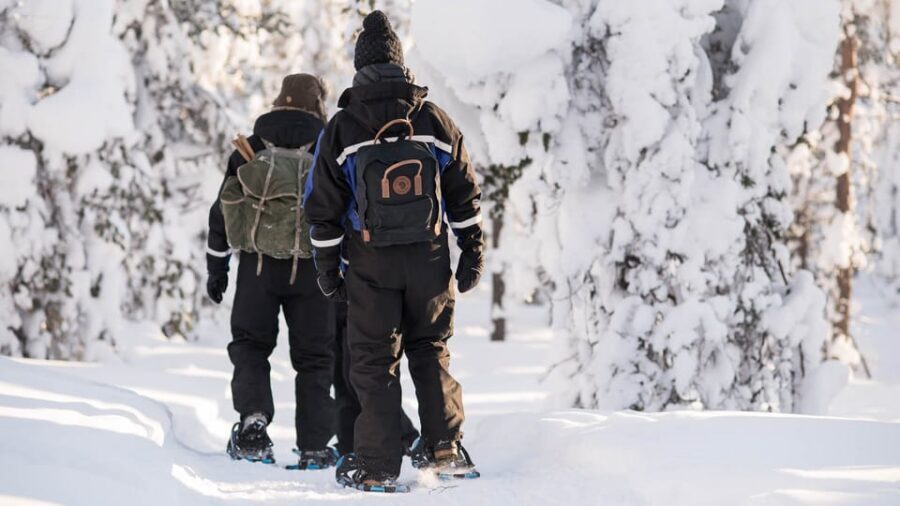
The tour includes thermal clothing—overalls, boots, gloves, and wool socks—so you don’t need to show up fully outfitted. Still, you should dress smart underneath if you can. Warm layers help you stay comfortable during both the hike and the waiting periods at stops.
You should also plan to move carefully. Snowshoeing is stable, but winter ground can be uneven, especially with swamps or frozen water edges in the mix. Take your time stepping, keep your center of balance, and follow the guide’s pace rather than trying to match someone else’s speed.
There are also clear rules: alcohol and drugs are not allowed. That’s standard for safety and also makes sense for a cold-weather day where people are already working hard to stay warm.
Fitness level and who this is best for
This tour isn’t positioned for young kids: it’s not suitable for children under 10. It’s also not suitable for people with mobility impairments. Even for adults who are fine with snow activities, the activity can be a little physically demanding for some bodies.
The good news is that small-group guiding makes it easier to find your pace. If you can handle a winter walk with snowshoe technique and slow steps, you’ll likely enjoy it. If you struggle with uphill effort, long standing still, or uneven terrain, consider a less demanding option.
Who it suits best:
- Active adults who want to feel like you’re actually inside Lapland nature, not just nearby
- Travelers who enjoy photography and want time in snowy woods with scenic stops
- People who like a tour that includes both walking and a warm camp moment
Photos, stories, and the small details you’ll remember
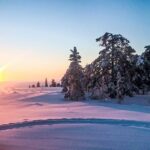
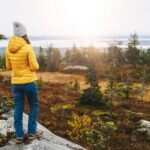
The frozen woods do most of the work for your camera. You’re moving through white-covered trees, and you’ll have scenic views on the way plus a wilderness setting once you’re out. With a guide who helps you spot interesting angles and moments, you’ll likely come back with strong winter photos.
The stories at camp are another memory-maker. Lapland stories around a fire give context to what you’re seeing—why the people and the land are linked in winter life. Guides like Maikel have been noted for explaining connections to nature, and that kind of storytelling helps the day feel less like a checklist and more like an experience.
And then there’s the simple satisfaction of learning something practical—like basic fire-making. It’s not about becoming a survival expert. It’s about feeling capable in cold conditions and understanding what the fire is for.
Should you book this Lapland snowshoeing safari?
If you want a real Arctic nature experience in a manageable time window, I’d say yes. You get pickup and transfers, thermal gear, English guidance, a small group, and a warm campfire meal. That mix makes it good value, especially if you don’t want to spend time figuring out winter clothing logistics on your own.
Book it if you’re comfortable walking in snow and you’re okay with the idea that camp time is part of the product. Skip it (or choose a gentler option) if you’re sensitive to physical effort, need accessibility accommodations, or are bringing very young children.
If the weather is chilly and the snow is deep, that’s when the snowshoes matter most—so bring your patience, trust the guide, and enjoy the calm of the Arctic woods.
FAQ
How long is the snowshoeing safari in Lapland?
The experience runs for 4 hours.
Where are the pickup points in Rovaniemi?
Pickup is available from several meeting points, including Wild Nordic Finland Safari Center (Joulupukintie 1), multiple Lapland Hotels around Ounasvaara, Invisible Forest Lodge, Santasport (Hiihtomajantie 2), Arctic TreeHouse Hotel (Tarvantie 3), and the city center at Valtakatu 35.
What’s included in the price?
You get return transfers from your Rovaniemi meeting point, thermal clothing (thermal overalls, boots, gloves, woolen socks), traditional reindeer burgers by the open fire, and English guidance.
Do I need to bring snowshoes or thermal gear?
No. The tour includes thermal clothing. Snowshoe gear is part of the safari experience, and you’ll be guided as you put everything on.
How many people are in a group?
It’s a small group limited to 8 participants.
Is the tour suitable for children or people with mobility impairments?
It’s not suitable for children under 10, and it is not suitable for people with mobility impairments.
Can I cancel for a refund?
Yes. You can cancel up to 24 hours in advance for a full refund.