REVIEW · HELSINKI
The 1st Helsinki Free Tour – Since 2016
Book on Viator →Operated by Green Cap Tours · Bookable on Viator
Helsinki gives you history fast. This free walking tour strings together the city’s biggest symbols—from Senate Square to Oodi Library—with a guide who keeps the story moving and the English easy to follow. Two things I really like: you get a clean orientation of central Helsinki in about 2 hours, and the route mixes classic landmarks with Finland’s modern civic side. One drawback to keep in mind: depending on the guide, you may hear a very pointed message about tipping, and that can rub some people the wrong way.
You also get a small-group feel. With a maximum of 15 travelers, it’s easier to ask questions and keep momentum between stops, and you’ll start near the White Church area and finish at Oodi. Still, there’s one real-world risk worth noting from past experiences: if you’re even slightly off on the meeting point instructions, you could end up missing the correct guide among multiple Helsinki free-tour providers.
In This Review
- Key Points You’ll Care About
- Getting Oriented: Hallituskatu 9 Start and Senate Square’s Big-Three
- Ritarihuone (House of Nobility): Symbols, Coats of Arms, and Old Town Power
- Allas Pool and the Sauna Mindset: Why a Hot Room Shapes Daily Life
- President’s Palace (Presidentinlinna): Government by the Water and Independence Day Meaning
- Kauppatori and Old Market Atmosphere: Uspenski Cathedral and Local Food Culture
- Esplanadi Park’s Art-Literature Mix: Havis Amanda, Runeberg, and Swedish Cultural Threads
- Helsinki Central Railway Station to Kansalaistori: Art, Literature, and Modern Finland
- Price and Logistics: What $3.62 Means for Value
- Guide Style, Group Size, and the One Thing You Must Watch
- Who Should Take This Helsinki Free Tour?
- Should You Book This Helsinki Free Tour Since 2016?
- FAQ
- How long is the Helsinki free walking tour?
- Where does the tour start?
- Where does the tour end?
- What is the price per person?
- Is the tour offered in English?
- How big is the group?
- Is there mobile ticketing?
- What cancellation options are available?
- Are service animals allowed?
Key Points You’ll Care About
- Senate Square is the launchpad: you start where Helsinki’s institutions announce themselves—white church, Senate Palace, and the University area.
- Finnish nobility and independence themes: quick stops at Ritarihuone and the President’s Palace connect power, identity, and national milestones.
- Sauna culture is the hook at Allas Pool: you’ll hear why the sauna isn’t just a pastime in Finland.
- Two very different “green and city” moments: Esplanadi Park for art and literature, then the modern Oodi Library area for civic design.
- Art-and-literature stops near the station: the route threads past key cultural sites around Helsinki Central Railway Station.
- Small group, English language tour: up to 15 people, with English offered and a mobile ticket for smoother entry.
Getting Oriented: Hallituskatu 9 Start and Senate Square’s Big-Three
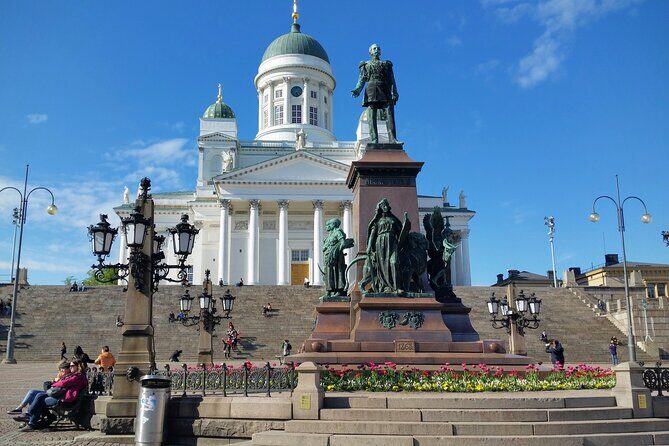
If you want to understand Helsinki quickly, start at Senate Square. That’s exactly what this tour does, beginning near Hallituskatu 9 (in the Senate Square/White Church area) and then setting the tone with the surrounding landmarks. This is one of those places where the city’s “why” shows up immediately: you can see the University of Helsinki influence, the civic weight of Senate Palace, and the White Church as a visual anchor.
From a practical standpoint, the meeting setup matters. Helsinki has several walking tours operating around the same tourist core, so your best move is to arrive a bit early and verify you’re at the correct meeting location described for this exact experience. When tours are free or low-cost, it’s not unusual for multiple groups to be waiting nearby—so being punctual and precise saves you from a wasted start.
Why Senate Square works so well for a first tour: it gives you a mental map. After this stop, the rest of the walk feels less like random sightseeing and more like a guided march through how Helsinki organizes importance—religion, learning, government, then daily life by the sea.
You can also read our reviews of more tours and experiences in Helsinki.



Ritarihuone (House of Nobility): Symbols, Coats of Arms, and Old Town Power
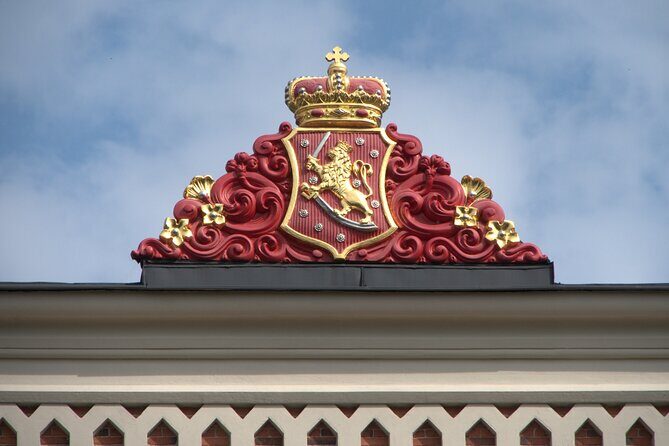
After the wide, open drama of Senate Square, the tour moves you into the tighter texture of Old Town. The next stop is Ritarihuone, also known as the Casa della Nobilta. This is the kind of building that rewards a slow look: the Finnish House of Nobility puts coat of arms symbolism on its facade, and that’s where the story tends to land.
You’ll learn that Finland’s identity isn’t only about modern design and saunas. There’s also a history of social order and prestige—and this building is one of the clearest reminders. Even if you don’t care about heraldry, you’ll pick up why symbols matter in small countries: they compress meaning into architecture, so you don’t need a long lecture to get the idea.
Timing here is short, so don’t expect a long interior stop. Think of this as a “spot the details” moment. If you keep your eyes open during those few minutes—facade markings, building style, and placement in Old Town—you’ll get more out of the stop than just snapping one photo and moving on.
Allas Pool and the Sauna Mindset: Why a Hot Room Shapes Daily Life
Next comes Allas Pool. The tour frames this stop around something that’s more than a cliché: sauna culture. In Finland, a sauna isn’t only for tourists and weekend leisure. It’s part of how people socialize, reset, and talk about wellbeing without making it complicated.
The bonus here is that the tour uses Allas Pool as a modern meeting point rather than sending you off into an overly “folklore” explanation. Even if you’ve read about Finnish saunas before, hearing how it sits in the heart of everyday culture tends to make it feel less like trivia and more like routine life.
One consideration: because this stop is designed to be story-driven, you might not have time for a full detour or extended browsing nearby. If you’re the type who likes to linger, keep your expectations aligned: this is a guided orientation walk, not a museum-style half-day.
President’s Palace (Presidentinlinna): Government by the Water and Independence Day Meaning
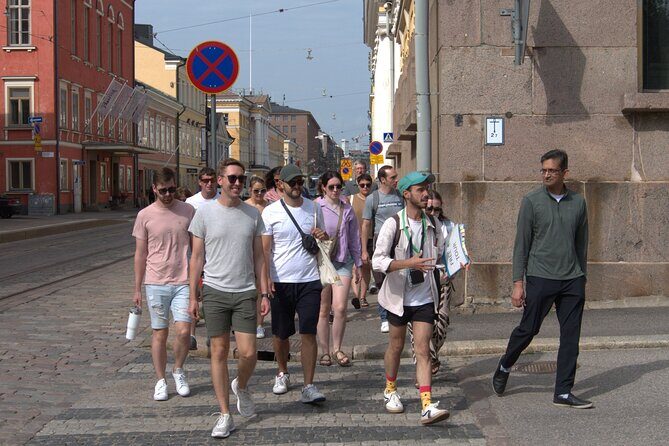
Then you shift to the shoreline power center: President’s Palace (Presidentinlinna). This is where the tour connects location to authority. The President’s Palace sits centrally along the water, and the tour highlights that the Finnish President’s role is tied to real governance—not just ceremonial vibes.
The other thread you’ll pick up is Finnish Independence Day importance. Helsinki’s key national stories are often told through these central institutional sites, and this palace is one of the strongest examples. You’ll likely leave with a better sense of why people take independence seriously here: it’s not stuck in old photographs; it’s embedded in the national timeline and visible in the way central Helsinki is organized.
Drawback to note: depending on the day and local access rules, you may be viewing much of this from outside rather than going deep into areas beyond what the tour naturally covers. That’s normal for a short walking route—what you’re really getting is historical context and spatial understanding, not a long building tour.
Kauppatori and Old Market Atmosphere: Uspenski Cathedral and Local Food Culture
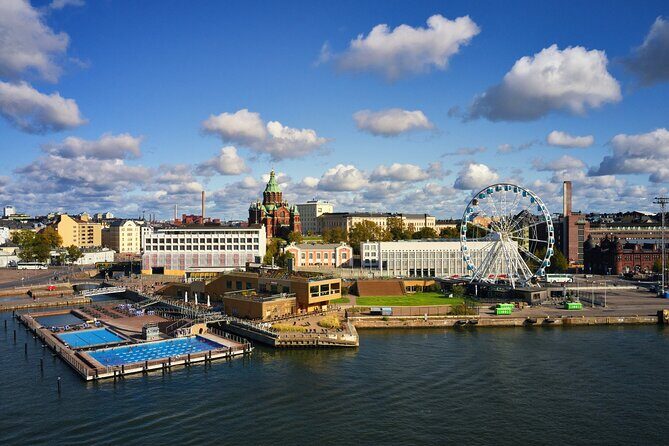
After the official shoreline stop, the tour swings into a more everyday Helsinki scene: Kauppatori, a seaside square known for its atmosphere. This is one of those places where the city feels lived-in, not just photographed.
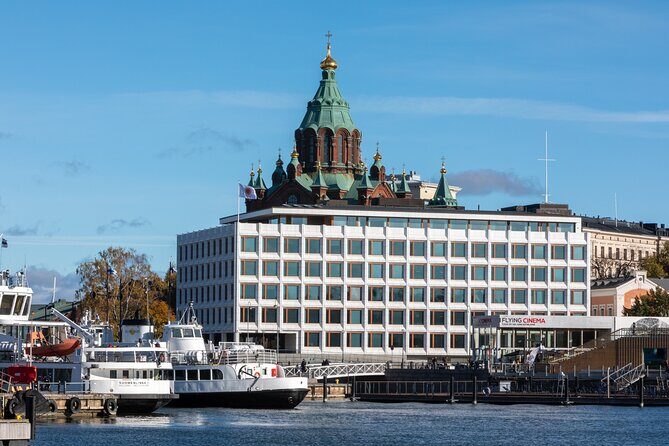
You’ll get a sense of local culture and gastronomy while looking around at major nearby landmarks like Uspenski Cathedral and the Old Market Hall. The Uspenski view matters because it anchors the religious and architectural mix you’ll see across Helsinki, especially in the central coastal zones.
This stop is also a smart move for your schedule. When you reach Kauppatori, you’re usually ready to connect the story to what’s in front of you: people moving, market energy, and the way the sea frames the scene. If you want ideas for what to eat later, this stop is the kind that sparks practical curiosity—rather than just telling you what to admire.
One small watch-out: because it’s a lively public square, it can be busy with pedestrians, and your group may have to funnel into spots that keep you safe and moving. If you’re traveling with anyone who gets impatient in crowds, remind them this is a quick culture stop, not a long meal plan.




Esplanadi Park’s Art-Literature Mix: Havis Amanda, Runeberg, and Swedish Cultural Threads

Next is Esplanadi Park, a green boulevard that acts like Helsinki’s breathing space in the middle of city energy. This stop stands out because the tour doesn’t only point to pretty scenery—it ties it to people and cultural layers.
You’ll hear about Havis Amanda and learn the name Runeberg in context of how Helsinki celebrates literature and identity. You’ll also get a sense of the local Swedish cultural scene, which matters in Finland because Swedish influence is part of the national story, not a side note.
Why this stop is worth your time: a park is not just a pause. In Helsinki, the park connects the city’s public art, cultural history, and social life. You’re walking through a place that works like an outdoor cultural room.
Practical consideration: this is one of the stops where you might be tempted to linger for photos. The tour timing is tight, though. My advice is to do a quick scenic look first, then take your deeper photo time after the guide moves the group along.
Helsinki Central Railway Station to Kansalaistori: Art, Literature, and Modern Finland
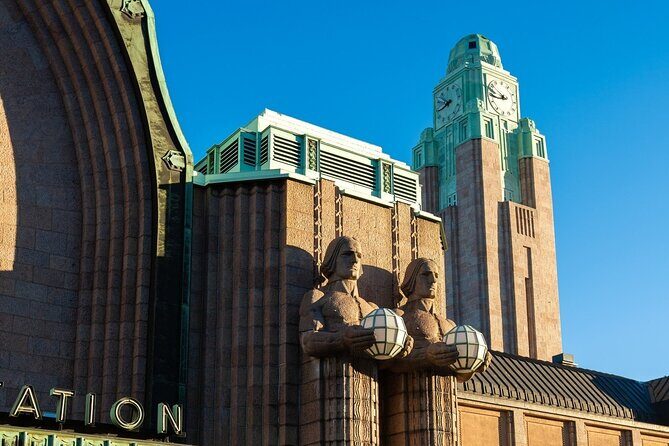
As you head toward Helsinki Central Railway Station, the tour starts talking about art and literature in that very Helsinki way—public space as a cultural classroom. The route highlights the idea of lantern carriers, and it also points you toward major cultural anchors you may want to explore after the walking tour.
You’ll hear about Ateneum and the National Theater, which helps you understand why the station area is more than just transportation. It’s an intersection of transit and culture, and it’s especially useful if you’re trying to plan what to do later without wasting time guessing.
Then the tour wraps at Kansalaistori, with Oodi Library as the final focus at the end point. Oodi is a standout because it represents Finland’s modern civic mindset—public space designed for people, not just visitors. The tour position makes sense: you’ve already covered old power, sea culture, and national symbols. Ending in a modern public library gives you a clearer picture of where Finland is heading.
One more reason this ending works: the tour ends right where you can keep exploring. After the walk, you’re placed in a lively civic zone, rather than back at a random intersection.
Price and Logistics: What $3.62 Means for Value
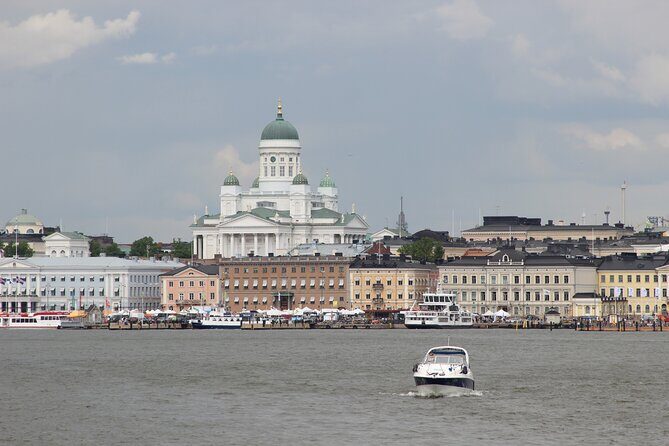
Let’s talk money, because this is labeled a free tour but priced at $3.62 per person. In practice, that small amount can still be excellent value if you’re using the tour the way it’s meant to be used: as a guided orientation of central Helsinki.
Here’s what you’re getting for that price:
- A structured 2-hour route covering eight major stops, so you don’t spend your first day hunting around.
- English offered, which matters when you’re in a country where even major cities can feel multilingual.
- A mobile ticket, which reduces friction before you even start walking.
If you’re cost-conscious, this is a strong option. If you’re the type who expects zero-cost to mean zero communication about tipping, be aware that at least one past guest was turned off by the way the guide raised the topic at the start. I can see why: even if tipping is common, the tone can make or break your experience. My recommendation is simple—if you’re planning to tip, do it quietly and confidently, but know that your guide might bring it up in a direct way.
Guide Style, Group Size, and the One Thing You Must Watch
The tour runs with a maximum of 15 travelers, and that size helps a lot. Big groups get slow. Small groups get to the point. You’ll usually have enough space to hear the story and still move between stops without the whole thing turning into a traffic jam.
English language delivery is another big plus. Helsinki is tourist-friendly, but a tour that explains local context clearly can save you from building a wrong mental picture from signs alone.
The major risk isn’t the sights—it’s the start. One negative experience highlighted a no-show issue, and another suggested confusion between multiple Helsinki free tours operating from the same general area. That’s a real travel truth: in popular squares, instructions matter. So when you book, double-check:
- the start point you’ll use in Google Maps
- the time of the tour
- the exact guidance for where the group meets inside the Senate Square zone
If you do that, you’re stacking the odds in your favor.
Who Should Take This Helsinki Free Tour?
This tour fits best if you want:
- a fast first-day orientation in central Helsinki
- a route that connects key landmarks to identity themes (government, independence, sauna culture, modern civic life)
- a low-commitment way to see the city core without booking museums
It’s also a good fit for travelers who like guided storytelling more than formal presentations. The stops are spaced so you get context, then immediate visuals, like the shift from Senate Square institutions to the seaside atmosphere of Kauppatori.
If you hate the idea of walking for two hours without long breaks, it may feel a bit “tight.” But if you’re fine with moving between short stops, you’ll likely find it satisfying and practical.
Service animals are allowed, and it’s near public transportation, which is useful if you plan to continue exploring after the tour ends at Oodi.
Should You Book This Helsinki Free Tour Since 2016?
I’d book it if you’re arriving in Helsinki and want a smart, central route with a guide in English, plus a clear finish at a modern landmark like Oodi Library. The main upside is efficiency: you cover the big identity themes of Finland without needing to plan a full day of sights on your own.
Skip—or at least be extra careful—if you’re sensitive to tipping talk at the start, or if you rely on multiple tours running from the same tourist core and might mix up meeting points. This isn’t a museum day where you can wander and still catch the meaning. It’s a guided walk, so show up exactly on time and use the meeting point details.
If you do that, you’re likely to come away with a better map of Helsinki and a set of places you’ll want to revisit later.
FAQ
How long is the Helsinki free walking tour?
The tour lasts about 2 hours.
Where does the tour start?
The tour starts at Hallituskatu 9, 00170 Helsinki, Finland (in the Senate Square/White Church area).
Where does the tour end?
It ends at Helsinki Central Library Oodi on Töölönlahdenkatu 4, 00100 Helsinki.
What is the price per person?
The price is listed as $3.62 per person.
Is the tour offered in English?
Yes, the tour is offered in English.
How big is the group?
The maximum group size is 15 travelers.
Is there mobile ticketing?
Yes, it includes a mobile ticket.
What cancellation options are available?
You can cancel for a full refund up to 24 hours before the experience starts.
Are service animals allowed?
Yes, service animals are allowed.