REVIEW · ROVANIEMI
Wilderness Survival Tour – Winter
Book on Viator →Operated by Wild About Lapland · Bookable on Viator
Snow teaches fast. This winter wilderness tour from Rovaniemi turns the Arctic small-group feel into real hands-on fire-making practice, guided by pros like Hena or Atanas. I also like that you’re taught to read the forest signs—especially animal tracks in the snow—so the walk feels purposeful instead of just cold sightseeing. The main consideration is simple: in winter, temperatures can drop to around -30°C, so you need to dress seriously even with provided gear.
If you’re staying in Rovaniemi, the hotel transfer option and English-guided format make this easy to fit into a day. The whole experience runs about 3 hours 30 minutes, with warm drinks and campfire snacks halfway through—so you’re not out there starving or guessing what to do.
In This Review
- Key Things to Know Before You Go
- Winter Survival in Lapland: Why This Tour Feels Practical
- Getting Set Up in Rovaniemi: Transfers, Gear, and Timing
- Heading Into the Taiga Forest: What Your Lapland Stop Really Gives
- Reading Snow Tracks: The Arctic Animals You Learn to Spot
- Fire-Making and Cooking Outdoors: The Skill That Keeps You Warm
- Wildlife and Flora: Learning What the Forest Is Telling You
- Guides and Group Dynamics: Small Enough to Feel Personal
- Price and Value: What $106.82 Actually Covers
- Weather, Cold, and What to Wear Without Overthinking It
- Who Should Book This Winter Survival Tour?
- Should You Book This Tour or Choose Something Else?
- FAQ
- How long is the Wilderness Survival Tour in winter?
- How many people are in the group?
- Where does the tour start and end?
- What language is the tour offered in?
- What food and drinks are included?
- Is winter clothing and boots included?
- What happens if the weather is bad?
- Can I cancel and get a full refund?
Key Things to Know Before You Go
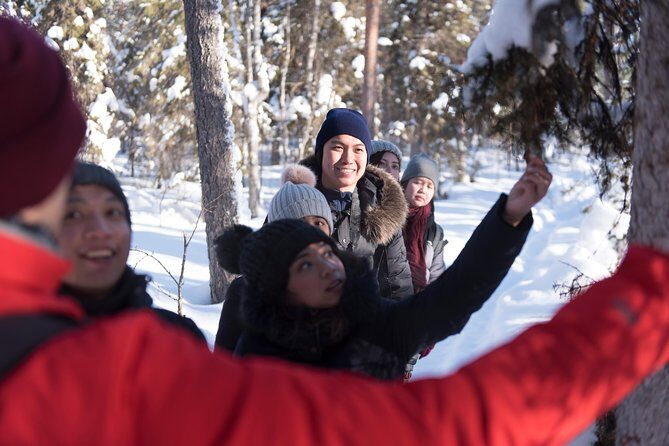
- Max 8 people keeps the pace calm and the guide’s attention on you.
- Fire-making practice goes beyond watching; you learn the steps to do it yourself.
- Track reading in snow helps you understand what animals might be nearby.
- Provided winter clothing and boots reduce the stress of packing for deep cold.
- Campfire snacks halfway means you get a warm break, not just a quick stop.
- Hotel pick-up/drop-off helps if you’re outside the city center.
Winter Survival in Lapland: Why This Tour Feels Practical
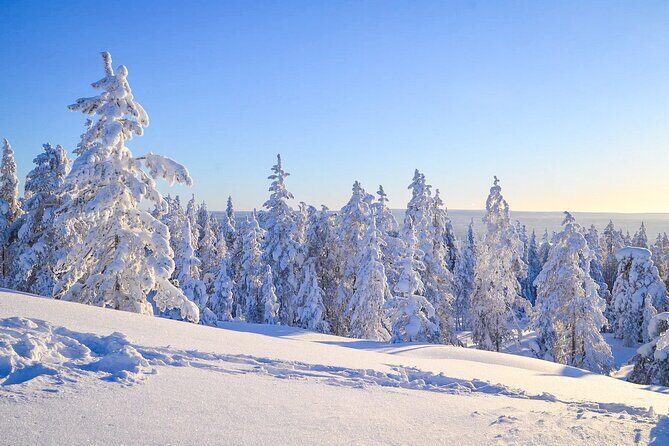
This isn’t a show. It’s a skills tour designed for winter in the Arctic, where conditions change fast and your best tool is knowing what your surroundings are telling you. You’re going out from Rovaniemi into the taiga forest, with a guide who explains what you’re seeing and then has you practice the basics.
What I like most is that your time gets structured. You learn how to make a fire and cook outdoors, you get warm food partway through, and you also learn how to spot and interpret signs like footprints. That combo is what makes the experience feel more useful than most winter walks.
There’s a realistic edge to it, too. Winter survival isn’t dramatic when you’ve got the right method and gear. It’s mostly about staying warm, managing your energy, and understanding the forest rules—like how animals move through snow and how plants and trees function in cold weather.
A few more Rovaniemi tours and experiences worth a look


Getting Set Up in Rovaniemi: Transfers, Gear, and Timing
You start at Wild About Lapland on Rovakatu 24 in central Rovaniemi. The tour runs for about 3 hours 30 minutes, and it ends back at the same meeting point.
One smart value point: you get hotel pick-up/drop-off if your accommodation is outside the city center. That matters in winter, because waiting on a bus in cold air is no one’s favorite sport.
You’ll also be given professional winter clothing and boots. That takes away a big chunk of decision-making. You won’t need to hunt down the right boots or guess if your jacket will handle the cold. Still, bring the warm layers you’d normally wear for deep winter, because gear support doesn’t replace good personal layering.
The tour is offered in English, so you can actually follow the explanations instead of translating in your head while you’re trying not to freeze.
Heading Into the Taiga Forest: What Your Lapland Stop Really Gives
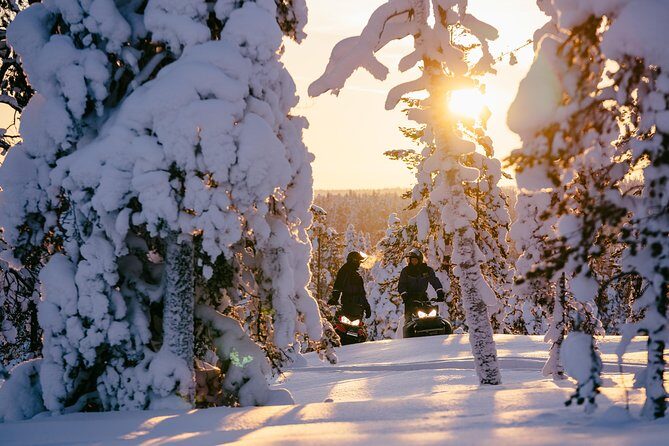
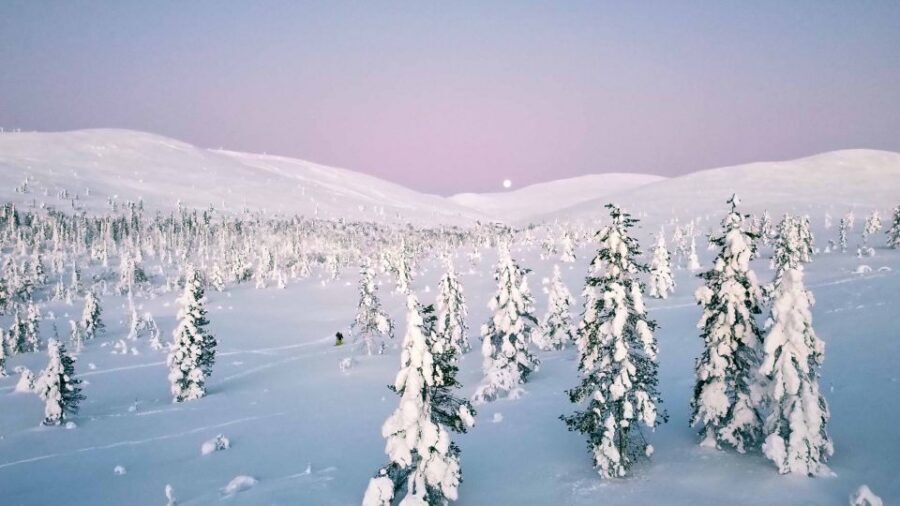
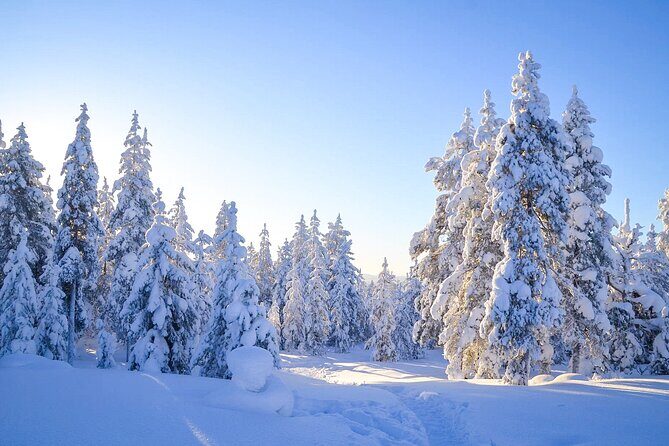
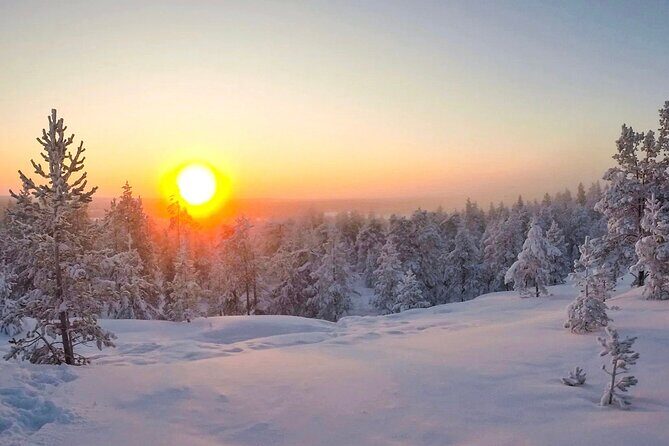
Once you leave Rovaniemi, you’re moving straight into the taiga forest and the wider Lapland nature around it. This part is where the whole experience shifts from city life to snow life.
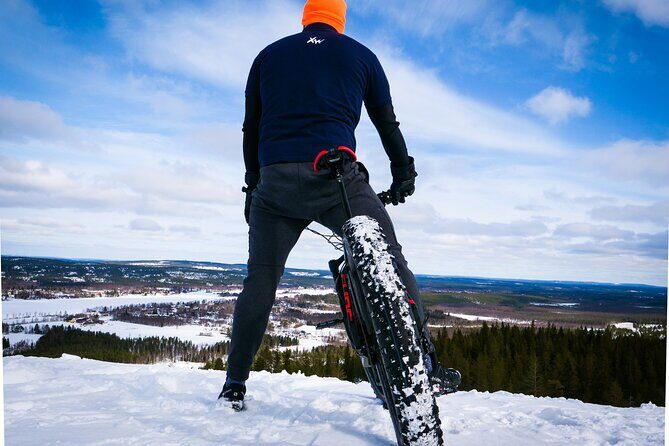
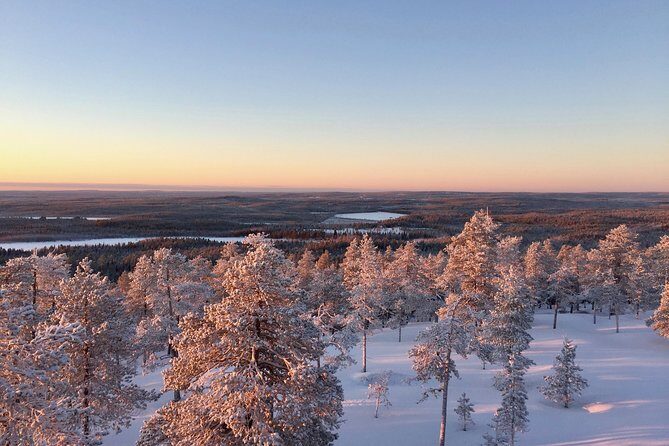
You’ll walk through the Lappish forest environment and learn what trees and plants are doing in winter—how they survive, how they’re arranged, and what you can notice if you slow down. You might also pass through features like a bridge, and you may stop at places that give you a better view of the surroundings (for example, an outdoor lookout tower is mentioned as part of what you can experience).
This is the moment to pay attention. In winter, the forest doesn’t look like a photo. Tracks, snow texture, wind direction, and tree shape matter. With a guide in your group, those details turn into information instead of random scenery.
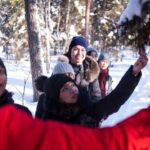
The group stays small (maximum 8 people), so you’re not stretched out in a long line. That helps you keep up and actually hear the guide rather than catching only the loud parts.
Reading Snow Tracks: The Arctic Animals You Learn to Spot
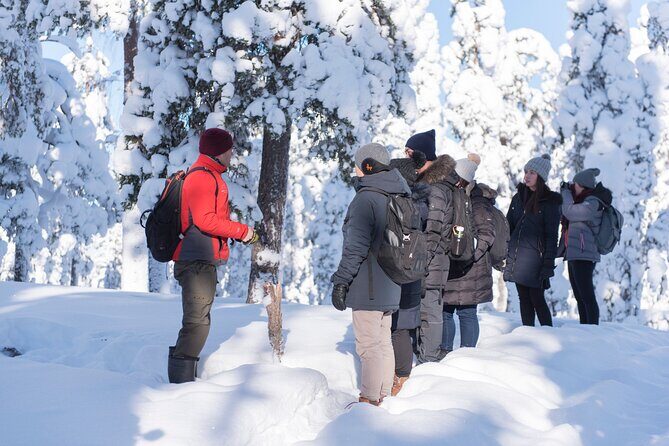
A big reason people love this tour is the snow-prints lesson. Winter turns the ground into a logbook. When you know what you’re looking at, the tracks aren’t just marks—they’re clues about who passed through and how they move.
You’ll learn to recognize footprints made by animals such as wolves, lynx, wolverines, moose, reindeer, weasels, and Arctic hare. The guide also connects these signs to the broader winter ecosystem—what’s likely, what to notice, and how to interpret size and shape without overthinking it.
Here’s what you should expect in real terms: you’ll look down a lot more than you’re used to. That might sound small, but it changes the whole walk. It turns the experience into a game where you’re practicing observation, not just walking for the sake of walking.
Also, you don’t need to be an expert. The whole point is you’re learning a method—how to compare tracks and read patterns in the snow.
Fire-Making and Cooking Outdoors: The Skill That Keeps You Warm
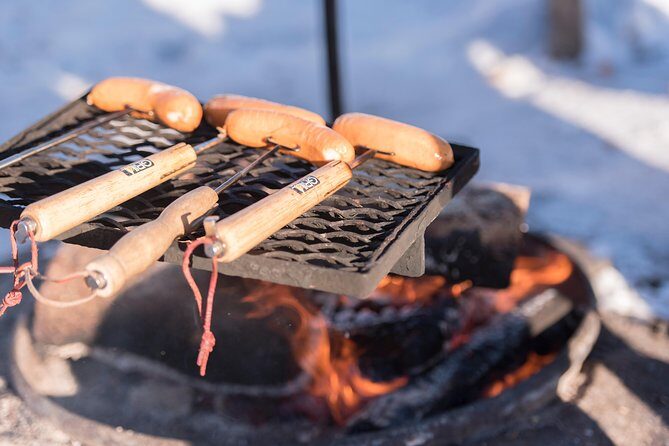
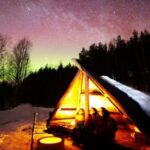
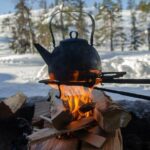
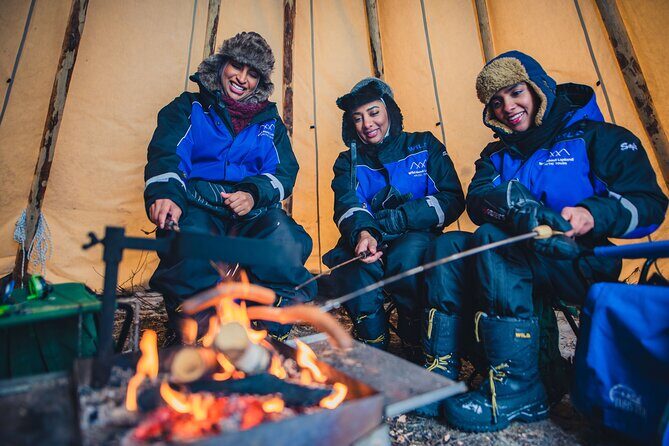
In winter Lapland, the fire part is the heart of the tour. Your guide lights a campfire halfway through, and this is when you get warm refreshments plus a typical Finnish campfire snack.
This is where the experience becomes hands-on. You’ll learn how to build a fire using your environment—so you’re not just watching someone else do it. You’ll get the steps and then you’ll have a real chance to do it yourself. One detailed point from the experience description: the guide shows you how to make fire in ways that don’t rely on a lighter.
What you eat around the fire also matters. Finnish campfire snacks are provided halfway, and in at least one version of this experience, it included Finnish sausages served in bread with mustard. There’s also mention of a vegetarian option. Hot drinks like coffee and/or tea are included, and hot cocoa shows up in some runs—so you’ll have something comforting while you warm up.
This isn’t just about food. Fire-making teaches you how to work with cold materials, how to manage small steps instead of getting overwhelmed, and how to think practically about warmth.
Wildlife and Flora: Learning What the Forest Is Telling You
The tour doesn’t stop at animal tracks. You’ll also get explanations about trees, plants, and how they relate to wildlife. In winter, the forest is “quiet,” but it’s full of signals.
You’ll learn how trees and plant life look and behave in cold conditions, and you’ll pick up useful details about the nature around you. Even simple questions—like which parts of a plant to notice or what features stand out—become part of your walk.
This kind of learning is valuable because it changes what you’ll notice on your own later. After you pick up the basics from your guide, your next time walking in snow won’t feel like you’re just passing through. You’ll have a framework: tracks, plants, and survival signs.
Guides and Group Dynamics: Small Enough to Feel Personal
The experience is limited to eight people, and that’s a real advantage in winter. It keeps the tour from turning into a fast-moving crowd where half the group loses information.
The guides are a major strength. From the names connected to past experiences—Patrik, Lola, Gianni, Hena, and Atanas—you can see the emphasis on professional nature knowledge and clear instruction. The common thread is professionalism and accommodation, with guides who explain what you’re seeing and help you practice without rushing.
Practical tip: ask questions. In snow and cold, the brain can feel foggy. Your guide is there to translate the outdoors into something you can understand quickly.
Price and Value: What $106.82 Actually Covers

At about $106.82 per person for roughly 3.5 hours, you’re paying for a lot more than a walk. You’re getting a professional guide, winter clothing and boots, snacks plus campfire snacks, coffee and/or tea, and hotel pick-up/drop-off for places outside the city center.
Lunch is not included. That’s not a deal-breaker, but it’s why you should plan your day so you’re ready to eat before or after. Because the tour includes snacks and warm drinks halfway, it’s not like you’ll go hungry out there, but you still need a real meal at some point.
Value-wise, the best part is the equipment and the time. Winter gear can be expensive if you have to rent or buy it, and a guided survival-skills lesson is harder to get on your own. For many people, the cost feels fair because the guide time and the provided gear reduce your prep workload.
Weather, Cold, and What to Wear Without Overthinking It
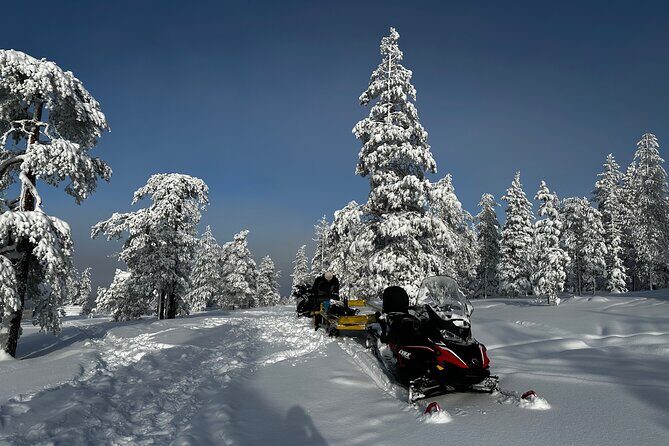
This tour operates in all weather conditions, and it’s designed for winter reality. Temperatures can drop to around -30°C, and you’ll be outside enough to feel it.
Even though winter clothing and boots are provided, treat this as a “dress for the cold” day:
- Wear warm layers under the provided winter clothing.
- Bring warm socks that stay comfortable when wet or snowy.
- Cover hands and ears fully. In cold wind, gaps matter.
- Keep your daypack simple so you can move without fuss.
If weather becomes too poor, the experience can be canceled and you’ll be offered another date or a full refund. The key is that you should expect the organizers to prioritize safety and weather conditions in a winter environment.
Who Should Book This Winter Survival Tour?
You should book if you want winter in Lapland to feel hands-on and useful. It’s a good match for couples, small groups of friends, or anyone who likes learning practical outdoor skills—especially fire-making and understanding winter signs.
It also works well if you’re traveling with limited time. You get a focused 3.5-hour experience that combines forest learning, track spotting, and warmth breaks without turning into an all-day marathon.
If you’re someone who hates being cold and just wants a warm cafe, this might not fit your style. This is outdoors time in winter. The payoff comes from learning survival basics and getting warm snacks mid-tour.
Should You Book This Tour or Choose Something Else?
I’d book this if you want more than scenery. The tour gives you skills—fire-making, cooking outdoors, and how to read footprints—that you can carry into your other days in Finland. The small group size helps you actually learn, not just stand in snow and watch.
I’d think twice only if your tolerance for extreme cold is low. Even with provided gear, winter outside still asks for preparation and patience. Also, since lunch isn’t included, plan your meals around the tour so you don’t end the day hungry.
If your goal is a real Lapland winter experience with practical guidance, this one makes sense.
FAQ
How long is the Wilderness Survival Tour in winter?
It lasts about 3 hours 30 minutes (approx.).
How many people are in the group?
The tour has a maximum of 8 travelers.
Where does the tour start and end?
It starts at Wild About Lapland, Rovakatu 24, 96100 Rovaniemi, Finland, and ends back at the meeting point.
What language is the tour offered in?
The tour is offered in English.
What food and drinks are included?
You’ll have snacks, and coffee and/or tea are included. Campfire snacks are provided halfway through. Lunch is not included.
Is winter clothing and boots included?
Yes. Professional winter clothing and boots are included.
What happens if the weather is bad?
The experience operates in all weather conditions, but if it’s canceled due to poor weather, you’ll be offered a different date or a full refund.
Can I cancel and get a full refund?
Yes. You can cancel up to 24 hours in advance for a full refund. If you cancel less than 24 hours before the start time, the amount paid is not refunded.