REVIEW · INARI MUNICIPALITY
Arctic Fishing & Open Fire Cooking
Book on GetYourGuide →Operated by Xwander Nordic · Bookable on GetYourGuide
Ice fishing in Lapland feels like old-world skills made practical.
You’ll try traditional Lappish methods at Rahajärvi near Ivalo, then cook the fish over a campfire in a way that actually keeps you warm. I love that it’s hands-on, not a spectator show. I also love the food part: your catch turns into a meal you eat right there, fresh from cold northern waters.
The main consideration is the cold. Winter clothing isn’t included, and conditions can shift fast, so you’ll want windproof layers and a plan for staying dry.
In This Review
- Key points
- Entering Lapland Ice Fishing Mode at Rahajärvi
- Morning Meet-Up in Ivalo: Where the Trip Starts (and Where It Doesn’t)
- Drilling Holes (Kairaaminen): The Skill That Changes Everything
- Ice Fishing (Pilkkiminen): Simple Gear, Real Concentration
- Net Fishing Under the Ice (Juomustus): The Part That Feels Like a Secret
- Open Fire Food After the Catch: Cooking That’s Actually Part of the Experience
- The Meal in Practice: What You’ll Eat and Why It Tastes Better Here
- Guides and Safety: The Real Luxury Is Not Guesswork
- Gear Checklist That Keeps the Day Comfortable
- Price and Value: Is $167 Worth 5 Hours?
- Who Should Book This Ice Fishing and Open Fire Cooking Trip?
- Should You Book It?
- FAQ
- How long is the Arctic fishing and open fire cooking trip?
- Where do we meet for the trip?
- Do you provide transfers?
- What fishing methods will we learn?
- Is the open fire food included?
- What safety items are provided?
- Is winter clothing provided?
- What languages are the guides?
- What should I bring with me?
- Are dietary requirements accommodated?
- Is it okay if I’m not a group of many people?
Key points
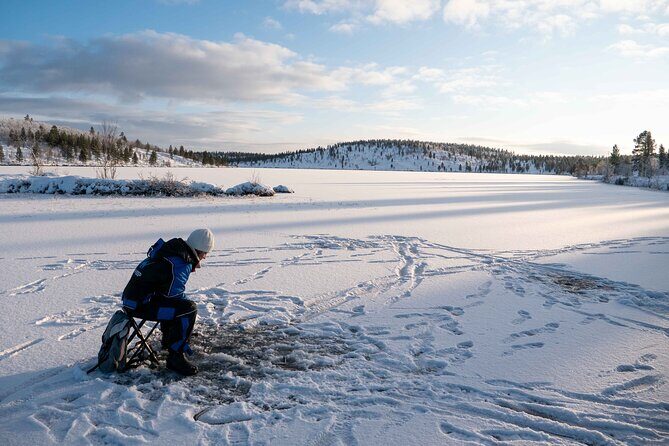
- Rahajärvi near Ivalo: fish in cold, clear northern waters where the catch tastes extra clean
- Hands-on traditional methods: drilling holes, ice fishing, and net fishing under the ice
- Open fire cooking: you learn different ways to cook fish and eat it warm
- A proper “whole day” vibe in 5 hours: lake time, then campfire food around the fire
- Guides who help you figure it out: demonstrations and support even for families
Entering Lapland Ice Fishing Mode at Rahajärvi
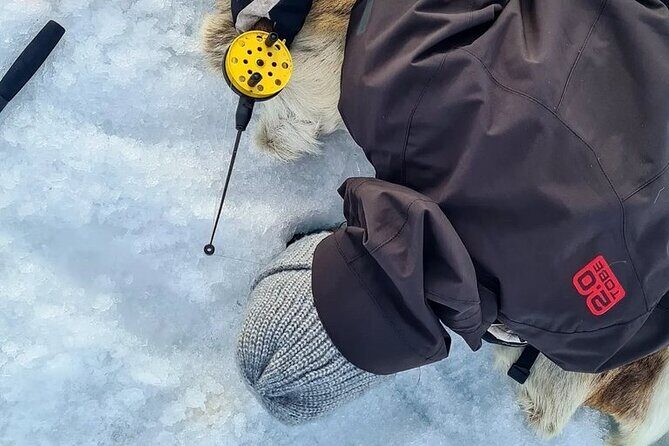
Lapland winter fishing has a different rhythm than most outdoor activities. The cold isn’t background noise. It sets the rules. And that’s exactly why this trip works so well.
You’ll head to Rahajärvi with guides who teach the core traditional skills—how to get fishing going on the ice, not just how to hold a rod. The methods you’ll practice are named in a very Lappish way: drilling holes (kairaaminen), ice fishing (pilkkiminen), and net fishing under the ice (juomustus). Learning the names matters because it helps you understand what you’re doing and why it differs.
And then, the part many people are secretly excited about: the meal. In these waters, the fish stays fresh in a very direct way. You don’t just catch dinner. You cook it while the day is still moving.
You can also read our reviews of more tours and experiences in Inari Municipality.
Morning Meet-Up in Ivalo: Where the Trip Starts (and Where It Doesn’t)
The trip runs about 5 hours. You start at 10:00 from the Xwander shop area at Eräsoppi, Ivalontie 12. Show up by 9:45 so there’s time to get prepared without rushing.
A key practical detail: the activity includes cooking gear, table wear, and safety equipment, but it does not include winter clothing. So your morning checklist starts before you even arrive. If you’re underdressed, the day gets harder than it needs to be.
If you’re staying in Ivalo, there’s a complimentary pickup service. For places like Inari, Nellim, Saariselkä, and Kiilopää, you need to contact the provider ahead to book a transfer. If you’re coming from somewhere else, plan on arranging your own way to the meeting point.
Drilling Holes (Kairaaminen): The Skill That Changes Everything
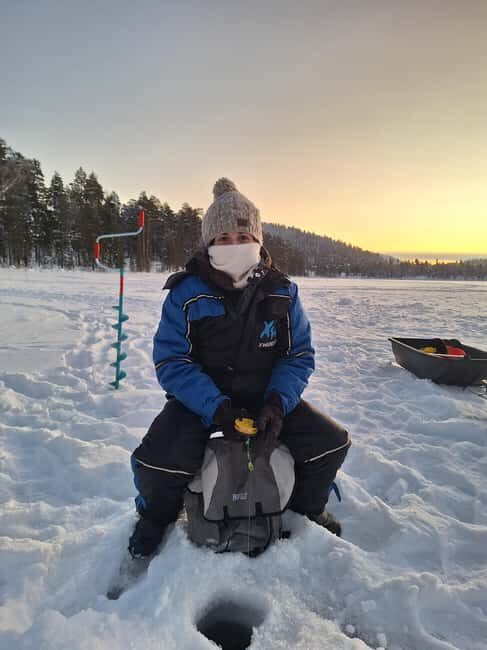
On an ice fishing trip, the ice is the first boss. Drilling holes is where the trip goes from “fun idea” to “real work,” and that’s why it’s so satisfying when it clicks.
With kairaaminen, you’ll drill holes to reach the water below. Expect this to take a little effort. Even if you’re comfortable outdoors, winter tools require steady hands and good technique. The guides take care of the important part: getting you set up so you’re not guessing.
What I like about this part is that it’s not random. Drilling holes isn’t just step one. It directly affects where you fish and how long you can fish effectively. By the time you’re making holes, you already feel like you’ve joined the process rather than watched it.
Ice Fishing (Pilkkiminen): Simple Gear, Real Concentration
Once the holes are ready, you shift to ice fishing (pilkkiminen). This is the calmer, patient side of the day. You’re working in small, controlled steps—keeping things steady, paying attention, and letting the fishing do what it does.
This is also where the guide’s role becomes obvious. In a winter setting, it’s easy to feel clumsy. The guides support you with explanations and demonstrations so you understand what you’re aiming for and how to respond when something happens.
If you like activities where you can learn in a short time, this is a good match. You get enough instruction to try for yourself, without turning the trip into a full-day technical course.
Net Fishing Under the Ice (Juomustus): The Part That Feels Like a Secret
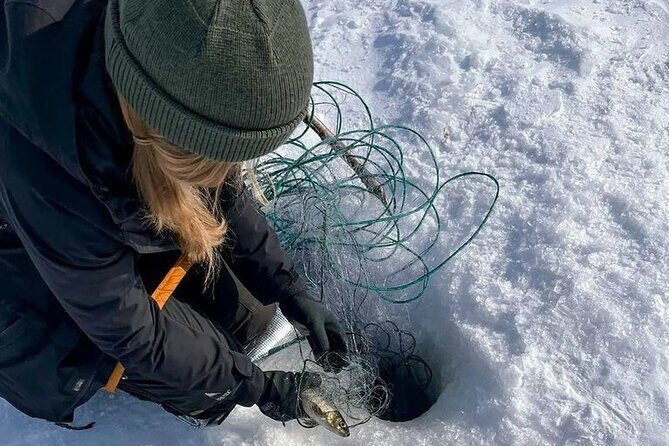
Then comes juomustus: net fishing under the ice. This is the “how do you even do that?” technique—because you’re working beneath the surface, where you can’t see the action.
Even without complex gear on your side, it helps to know the logic behind it. Nets require the right timing and handling, and the guides show how to do it properly. This is one of the best parts for photographers too, because you get a vivid sense of the under-ice world—without needing to scuba anywhere.
From what you’re likely to experience, the guides also help with the transition between methods. That matters because it keeps momentum. You’re not stuck waiting around while others do the hard parts.
Open Fire Food After the Catch: Cooking That’s Actually Part of the Experience
Now the day changes gears. The trip includes open fire food, cooking equipment, and table wear. Translation: the cooking isn’t an afterthought. It’s built into the flow.
You’ll make a fire and cook your catch over an open flame. The idea here is simple: try different fish cooking styles, then eat warm. When the air is cold, warmth becomes the best ingredient.
In real terms, the campfire setup makes everything easier. It’s not just about eating. It’s about resetting your body after time on the ice. It’s also where the day feels social. Even if you’re with mixed ages, you end up gathered around the same heat source.
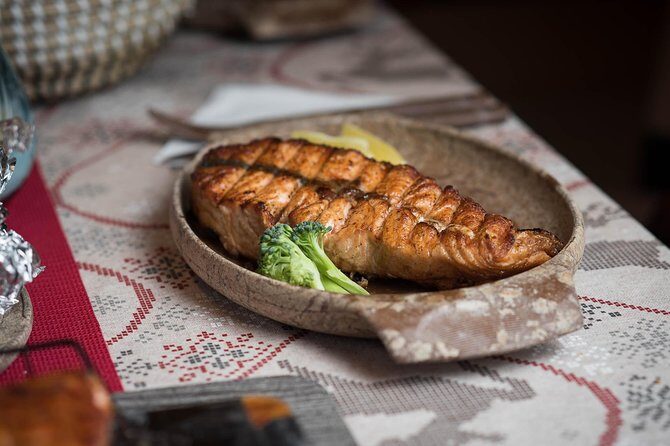
And yes, you can expect treats beyond just fish. In the experiences described, people often mention salmon soup and a sweet finish like marshmallows by the fire. Another meal example that shows up: bread served with a fish cream stew. The exact menu can vary, but the pattern is consistent—warm, hearty, and connected to the catch.
The Meal in Practice: What You’ll Eat and Why It Tastes Better Here
The most practical thing to know about the food is that it’s “fresh-cold-fresh” in a very direct way. The fish is handled for cooking right after fishing, which means you get that clean northern flavor people chase in Lapland.
Expect hearty, comforting dishes rather than light and fancy plates. This kind of cooking makes sense in winter. Your body wants calories and warmth. And because you’re outside for hours, you’ll likely feel hungrier than normal.
From the experiences shared, guides often cook and serve with a hands-on teaching vibe. One guide named Julien is specifically mentioned for careful, helpful guidance during the cooking stage, including preparing a fish stew with bread and handling the fish after net fishing. If you enjoy learning while you eat, that style of guided cooking is a big part of the value.
Guides and Safety: The Real Luxury Is Not Guesswork
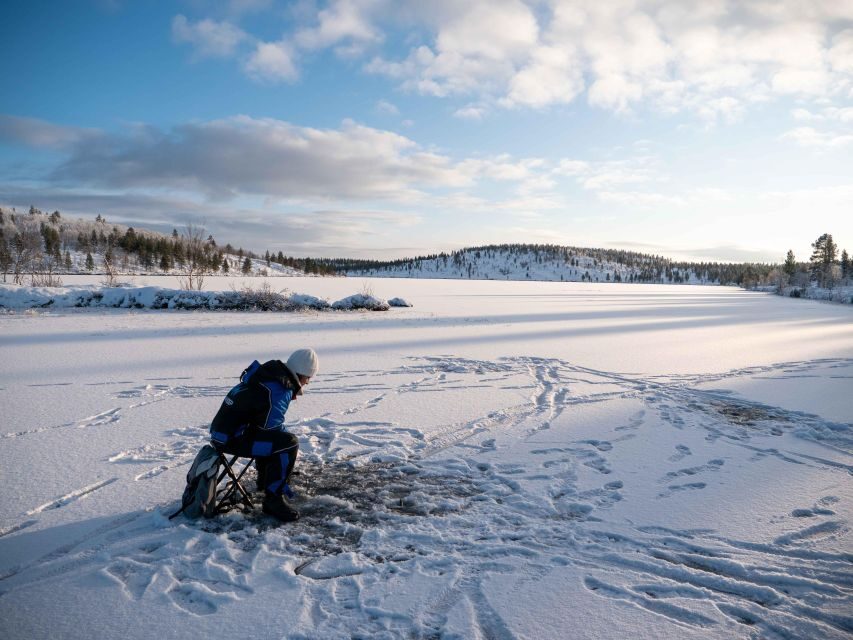
This trip includes safety equipment, and that’s a genuine comfort benefit in winter. Ice-based activities depend on correct setup, and it’s worth having a guide who’s used to the conditions around Rahajärvi.
The guides also work hard to keep the learning clear. You’ll get detailed explanations and demonstrations for how to fish and what to do next. If you’re bringing kids or you’re traveling with multiple generations, this kind of structure matters.
One family-friendly detail from the experiences described: the guides supported young kids while also helping grandparents stay involved, including instruction and demonstrations. That’s a good sign that you won’t be left on your own with cold hands and confusing steps.
Also, the trip is led in Finnish, English, and French, so you should be able to follow explanations comfortably.
Gear Checklist That Keeps the Day Comfortable
This is a winter trip. Treat it like one.
You should bring:
- Warm, windproof clothing
- Camera (for the ice and the cooking moments)
- Snacks
- Water
The trip does not include winter clothing, so if you don’t already have good winter layers, this is where the cost can creep upward. Plan to borrow or rent locally if needed, or choose gear that blocks wind and keeps moisture under control.
A small but important point: winter conditions can change quickly. Dress for the worst part of the day you might hit, not the best part. If you start warm and dry, you’ll enjoy the ice fishing and the fire cooking more.
Price and Value: Is $167 Worth 5 Hours?
At $167 per person for about 5 hours, you’re paying for guided ice fishing instruction plus the whole campfire meal setup. Here’s what that includes in real-world terms: open fire food, cooking equipment, table wear, and safety equipment. That can add up if you tried to DIY.
The value also comes from what you don’t have to coordinate:
- You don’t have to figure out where and how to fish on ice
- You don’t have to bring or manage cooking gear for an open fire meal
- You get guided learning for drilling holes and fishing methods
Is it expensive? In the way all winter activities are expensive. But it’s not only paying for being outside. You’re paying for instruction, equipment, and the warm meal at the end. If you care about doing the activity—not just seeing it—this price can feel fair.
For people staying in Ivalo, the complimentary pickup adds another little value layer. If you’re outside Ivalo and need a transfer, contact ahead because the logistics can affect your total effort.
Who Should Book This Ice Fishing and Open Fire Cooking Trip?
I’d book this if you want:
- A hands-on winter activity in Lapland that mixes skill learning and food
- Ice fishing practice without needing expert experience
- A guided day that supports different ages, including families
- A meal that feels earned, because you caught the fish first
It may not be your best choice if you:
- Hate cold exposure or don’t have good windproof winter layers
- Want a totally relaxed, sit-and-watch kind of experience
- Are expecting a long adventure day. This is about 5 hours, so it’s focused.
The sweet spot is beginner-friendly outdoor curiosity with enough comfort to handle winter.
Should You Book It?
If you’re choosing between “ice fishing as a photo stop” and “ice fishing where I actually learn,” book this. The combination of kairaaminen, pilkkiminen, juomustus, plus open fire cooking turns it into a complete winter experience, not a short gimmick.
Just go in prepared. Bring windproof winter clothes since they’re not included, and plan to drink water and snack so you’re comfortable on the ice. If you do that, you’ll end the day warm, fed, and with a skill you can explain to friends back home.
FAQ
How long is the Arctic fishing and open fire cooking trip?
The total duration is around 5 hours, starting at 10:00 and returning to the shop around 15:15.
Where do we meet for the trip?
You start from the Xwander shop at Eräsoppi, Ivalontie 12. Please arrive by 9:45.
Do you provide transfers?
There is a complimentary pickup service for Ivalo. For Inari, Nellim, Saariselkä, and Kiilopää, you need to contact ahead to book a transfer.
What fishing methods will we learn?
You’ll experience traditional Lappish winter fishing methods, including drilling holes to the ice (kairaaminen), ice fishing (pilkkiminen), and net fishing under the ice (juomustus).
Is the open fire food included?
Yes. Open fire food is included, along with cooking equipment and table wear.
What safety items are provided?
Safety equipment is included.
Is winter clothing provided?
No. Winter clothing is not included, so you’ll need to bring your own warm and windproof layers.
What languages are the guides?
The live tour guide language options are Finnish, English, and French.
What should I bring with me?
Bring warm clothing, a camera, snacks, and water. Conditions can vary quickly in winter, so plan for wind and cold.
Are dietary requirements accommodated?
You should mention dietary requirements and/or allergies when booking.
Is it okay if I’m not a group of many people?
The trip is executed with a minimum of 2 participants.