REVIEW · HELSINKI
Helsinki: Architecture Walking Tour with Expert
Book on GetYourGuide →Operated by Ataman Tours · Bookable on GetYourGuide
One quick street corner. And suddenly Helsinki starts making sense. This small-group architecture walk with Emek is the kind of tour where you actually learn to spot styles on the street—neoclassical, Gothic Revival, Art Nouveau/Jugendstil, modernism, functionalism, and more—while also hearing how Finnish life and even politics shaped the buildings. I especially like the expert-guided storytelling and the calm pace that keeps the walk fun (not like an exam). The one drawback to plan for: you’ll be on your feet for about 5–6 km, so bring shoes you trust.
Helsinki’s center is compact but stylistically wild, and this tour uses that contrast well. You’ll move through major sights like Senate Square, the National Library of Finland, Central Railway Station, the new public library Oodi, JugendHall, the Pohjola Insurance Building, and the Academic Bookstore—learning how world-famous Finnish architects such as Engel, Saarinen, and Aalto shaped the city’s look.
In This Review
- Key Points You’ll Appreciate on This Walk
- Walking Helsinki’s Architectural Timeline in Just 3 Hours
- The Small-Group Setup (Max 6) That Keeps It Personal
- Senate Square: Starting Where Helsinki Feels Official and Confident
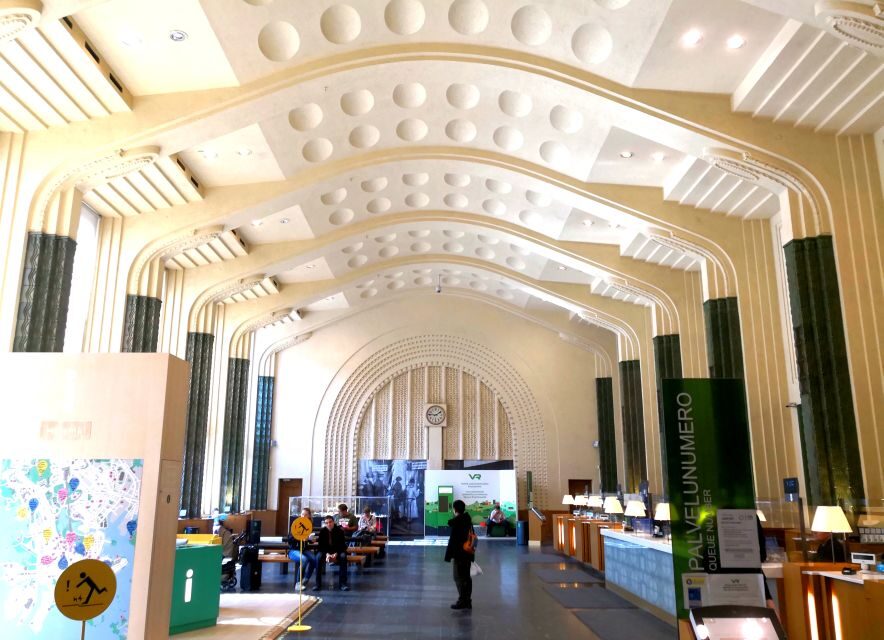
- National Library of Finland and Central Railway Station: Public Buildings With Big Purpose
- Oodi (The New Public Library): When Contemporary Design Takes the Wheel
- JugendHall, Pohjola Insurance Building, and the Academic Bookstore: Style Lessons in Real Blocks
- How Emek Links Architecture to Finnish Life (Not Just Fancy Facades)
- Pacing, Weather, and What to Wear for a 5–6 km Walk
- Price and Value: What $70 Gets You in Helsinki
- Who Should Book This Tour (and Who Might Not)
- Should You Book This Helsinki Architecture Walking Tour?
- FAQ
- How long is the Helsinki architecture walking tour?
- What does the tour cost?
- Is the tour guided and in English?
- How large is the group?
- Where do we meet for the tour?
- How far will we walk?
- Do I need special clothing?
- Does the tour run in bad weather?
- Can I cancel for a refund?
- Can I reserve without paying right away?
Key Points You’ll Appreciate on This Walk

- Small group (max 6): more time for questions and follow-ups
- Emek’s guiding style: history, architecture, and Finnish everyday life stay connected
- Major stops in one loop: big-name sights plus details you’d normally miss
- Styles you can actually recognize: neoclassical to contemporary, all in one central area
- Year-round operation: rain or shine, with weather-aware pacing
Walking Helsinki’s Architectural Timeline in Just 3 Hours

This tour works because Helsinki makes it easy to compare eras without traveling across the country. In a few hours on foot, you get a clear sense of how different movements overlap in the same central blocks. That’s not just pretty. It changes how you look at the city when you’re back on your own.
The goal isn’t to memorize terms. It’s to learn what to notice. As you walk, your guide frames buildings as responses to time—who had money, what ideas were in fashion, and what Finland needed at that moment. You’ll still get the architectural style names (neoclassical, Gothic Revival, Art Nouveau/Jugendstil, modernism, functionalism, and contemporary work), but the bigger payoff is learning how those labels show up in real stone, glass, and shapes you can point to.
You also get a practical sightseeing rhythm: start in the civic core, work through landmark public buildings and transport, then shift toward the new library scene. That arc helps you “read” Helsinki instead of just collecting photos.
You can also read our reviews of more walking tours in Helsinki



The Small-Group Setup (Max 6) That Keeps It Personal
With a maximum of 6 participants, this isn’t one of those tours where the guide is stuck performing for a crowd. The group size matters because the best architecture talk depends on interaction. If you pause to ask about a facade detail or a design choice, you’re more likely to get a direct answer and not a quick nod-and-move-on.
This setup also helps with pacing. People have different walking comfort, and this format makes it easier for the guide to keep the group together without rushing. Reviews also point out that the guide adjusts explanations when weather gets intense—moving more discussion indoors when possible. In winter, that kind of flexibility is a big deal.
If you’re the type who likes to understand what you’re seeing, this small group format makes the learning stick.
Senate Square: Starting Where Helsinki Feels Official and Confident

Senate Square is where you start to understand Helsinki’s civic identity. As you stand in that open urban space, you’ll get a sense of how the city projects order and importance—then, over the course of the walk, you’ll see that feeling change as new styles and needs arrive.
What to do during this stop: look for contrasts. Even without getting deep into technical architecture, you can spot how older styles use massing and ornament differently from later approaches. Your guide’s job here is to give you a simple framework: how one era’s design language differs from the next, and why Helsinki has room for multiple languages at once.
It’s a strong first stop because it sets the baseline. After that, you’re not just staring at buildings. You’re comparing.
National Library of Finland and Central Railway Station: Public Buildings With Big Purpose

The National Library of Finland and Central Railway Station are the kind of landmarks that instantly tell you something about a city. Libraries and stations aren’t private spaces. They’re where a country shows what it values—education, movement, public access, national pride.
This tour pairs these two stops because they help you see how architectural thinking shows up in different contexts: learning vs. travel. The guide connects what you see in the architecture to what Finns needed from these public spaces over time. You’ll hear how design choices reflect culture, social life, and historical pressure—not just aesthetics.
Practical tip: since this is a walking tour with multiple major sights, expect some crowding around transit and entry points. If you’re traveling in a busy season, keep your patience hat on. The value is in what the guide points out while you’re waiting and moving, not in rushing to get the perfect angle.
Oodi (The New Public Library): When Contemporary Design Takes the Wheel
Oodi is your reality check that Helsinki isn’t trapped in postcards of older eras. The tour spotlights the new public library to show how contemporary Finland expresses itself through design—different materials, different mood, and a different relationship to public space.
If you’re worried that a 3-hour architecture walk will lean too traditional, this stop helps. It shifts your attention from “what the city used to be” to “how the city is building now.” Even if you don’t know architectural theory, you can still feel the change in how the building interacts with daily life.
This is also a nice moment for your brain to reset. After grand civic spaces and heavy public institutions, the new library helps you understand how modern Helsinki treats community space as part of the architecture, not an afterthought.





JugendHall, Pohjola Insurance Building, and the Academic Bookstore: Style Lessons in Real Blocks
As you continue, the tour focuses on a range of buildings tied to major Finnish architects—names you’ll hear include Engel, Saarinen, and Aalto. The point isn’t to turn it into a lecture about famous people. It’s to use those names as signposts while you compare design details from building to building.
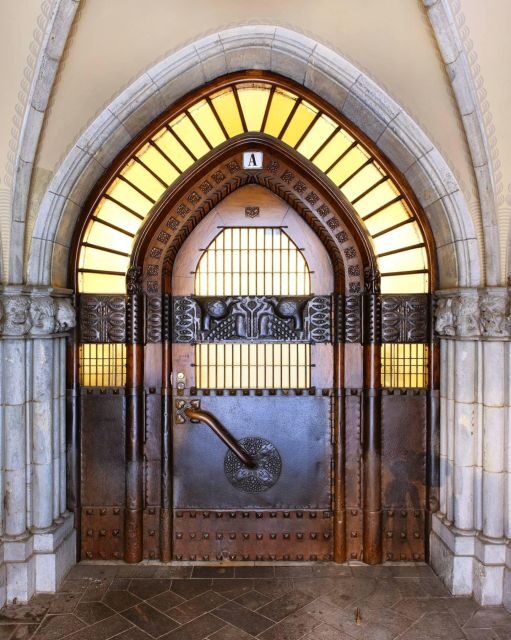
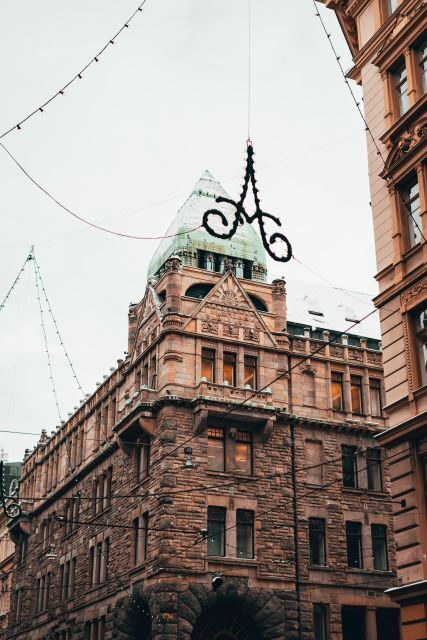
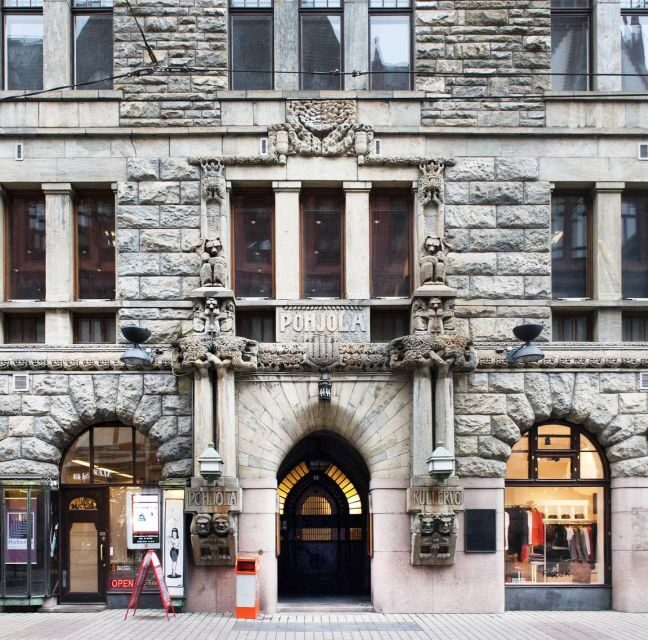
JugendHall, the Pohjola Insurance Building, and the Academic Bookstore are useful stops because they show how Helsinki’s architectural vocabulary varies even within the same city center. One building can feel like it’s speaking in a different dialect. Your guide helps you connect those differences to broader styles, including Art Nouveau/Jugendstil and later movements like modernism and functionalism.
What I’d do here (and what the guide encourages in a very practical way): don’t just photograph the obvious. Pick one feature—roofline, window arrangement, facade texture, or entry shape—and compare it as you move. That kind of “micro-spotting” is what turns a tour from scenery into learning.
How Emek Links Architecture to Finnish Life (Not Just Fancy Facades)
The strongest reason this tour earns a 4.9 rating is the way the guide teaches. Emek blends architecture with Finnish culture and everyday life, and he’s also willing to connect the dots to politics and social context. That’s a rare mix in city tours. It helps you understand why certain styles arrived when they did, and why some buildings feel more than decorative.
You’ll notice a teaching style that stays light on jargon. The pace is described as well paced, and the explanations aren’t so heavy that you lose the joy of walking. That balance matters because architecture can become a slog if it turns into nonstop terminology.
Also, because it’s a small group, the guide can tailor the flow to the group’s interests. If you’re more interested in how design reflects people, you’ll get that angle. If you love the design details themselves, the guide gives you something to actually look for.
Pacing, Weather, and What to Wear for a 5–6 km Walk

This is a 3-hour walk covering roughly 5–6 km (about 3–4 miles). That’s a normal distance for a city walking tour, but it’s not a sit-down museum loop. If your legs aren’t thrilled by mid-day pavement, plan for breaks and take your time at stops.
Comfortable shoes are non-negotiable. Helsinki streets are walkable, but you’ll want good grip and cushioning. As for clothing, dress for the weather because the tour runs year-round, rain or shine.
One more practical note: the guide handles cold days by shifting explanations indoors whenever possible. That can make a big difference if you’re dealing with nasty winter weather and you still want a meaningful tour instead of an all-day shiver.
Price and Value: What $70 Gets You in Helsinki

At $70 per person for 3 hours, you’re paying for three things: expert guidance, a tight route with major landmarks, and the small-group format (limited to 6).
If you try to do this on your own, you’ll absolutely be able to visit Senate Square, Oodi, and the big public buildings. But you won’t get the same “how to read Helsinki” framework—especially for the style transitions across eras. That’s the value driver here. You’re not just buying access to buildings; you’re buying an explanation that helps you interpret them.
Also, the guide’s English is live, and the tour is designed so you get time to ask questions. That’s part of why the group size stays small. In other words: the price isn’t only for seeing sights. It’s for getting meaning from them.
Who Should Book This Tour (and Who Might Not)
This tour is a strong fit if:
- you like architecture but want real context, not just a list of dates
- you want a first-round Helsinki overview that helps you plan your next days
- you enjoy hearing how design ties to culture and public life
It might be less ideal if:
- you want minimal walking and maximum resting time
- you prefer a totally freeform city day where you don’t follow a route
If you’re somewhere in the middle, you’ll probably love it. It’s structured, but it doesn’t feel rigid.
Should You Book This Helsinki Architecture Walking Tour?
Yes, I think you should book it—especially if you’re curious about how Helsinki can look both classic and modern without splitting into two different cities. For $70 and 3 hours, you get an efficient route through major landmarks plus an expert guide who connects architecture to Finnish life in a way that’s easy to follow.
Just plan for the walk distance, wear comfortable shoes, and show up ready to look at buildings a little differently than you did on arrival. Helsinki rewards attention. This tour helps you give it.
FAQ
How long is the Helsinki architecture walking tour?
It lasts 3 hours.
What does the tour cost?
The price is $70 per person.
Is the tour guided and in English?
Yes. It’s a live tour guide speaking English.
How large is the group?
The tour is a small group limited to 6 participants.
Where do we meet for the tour?
Meet at the corner of Aleksanterinkatu and Kluuvikatu, outside Aleksanterinkatu no 9B at the Nanso Clothing Store.
How far will we walk?
Plan for about 3–4 miles (5–6 km) of walking.
Do I need special clothing?
Bring weather-appropriate clothing and comfortable shoes.
Does the tour run in bad weather?
Yes. The tour operates all year-round, rain or shine.
Can I cancel for a refund?
Yes. You can cancel up to 24 hours in advance for a full refund.
Can I reserve without paying right away?
Yes. The option is reserve now & pay later.