REVIEW · HELSINKI
Helsinki Self-Guided Audio Tour
Book on Viator →Operated by Uvamai Niche Tourism · Bookable on Viator
Helsinki tells its story in 26 short tracks. For just $6, you get an English self-guided audio playlist and an interactive map that help you turn a city walk into something way more meaningful.
I love that the stops are major landmarks (and a few curveballs) you can actually reach on foot, with audio segments built for a quick pause-and-listen rhythm. I also like the flexibility: you can start anywhere, skip what you’re not feeling, and stretch it over multiple days if you want a slower pace.
One possible drawback: the audio segments are brief (about 20 minutes per stop), so if you like deep, long-form explanations, you’ll probably want extra time on-site rather than relying on the recording alone.
In This Review
- Key highlights to look for
- What you’re really buying for $6 in Helsinki
- How the audio tour works (and what it is not)
- Stop 1: Helsinki Central Railway Station and the 1919 independence vibe
- Stop 2: Kaisaniemi Botanic Garden’s wartime survival stories
- Stop 3: The National Library’s zodiac ceiling and moving books
- Stop 4: Senate Square, the time capsule, and political hidden passages
- Stop 5: Helsinki Cathedral’s acoustics and complicated construction politics
- Stop 6: Helsinki City Museum and the city behind the city
- Stop 7: Uspenski Cathedral and the skyline contrast of two traditions
- Stop 8: Kauppatori market square and the orange tent lore
- Stop 9: Old Market Hall’s 1889 food architecture
- Stop 10: Suomenlinna fortress (UNESCO) and the island-city story
- Stop 11: Havis Amanda and the mermaid that became political
- Stop 12: Esplanadi Park and the social role of a city’s green space
- Stop 13: Kamppi Chapel of Silence and acoustic isolation in wood
- Stop 14: Kiasma and the modern-art building that caused debates
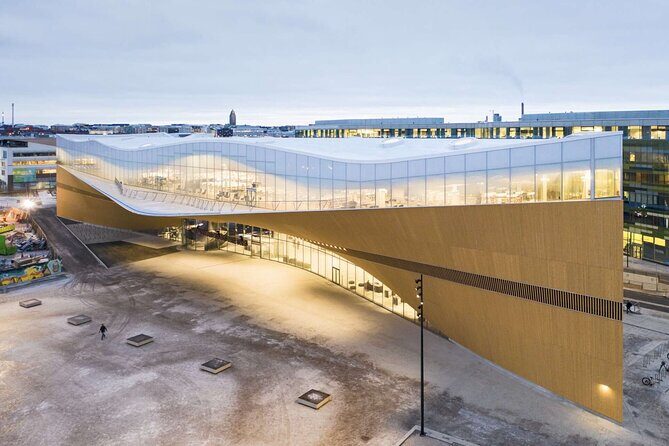
- Stop 15: Oodi Central Library and 21st-century public space
- Stop 16: Parliament House granite and how democracy looks in stone
- Stop 17: Natural History Museum and specimens with a research purpose
- Stop 18: Temppeliaukio Church carved into rock
- Stop 19: National Museum of Finland and the thread of Finnish identity
- Stop 20: Hietaniemi Cemetery and famous lives in a seaside setting
- Stop 21: Sibelius Monument and the steel sound of national pride
- Stop 22: Seurasaari open-air museum for rural Finland
- Stop 23: Toolo Bay’s walkable water and city planning
- Stop 24: Kallion Kirkko and working-class spirituality
- Stop 25: Kumpula Botanical Gardens for plant science and climate research
- Stop 26: Kivinokka’s Baltic coast and ice-age shaped rocks
- Should you book this Helsinki self-guided audio tour?
- FAQ
- Is this tour GPS-guided?
- How much does the Helsinki audio tour cost?
- How long does the tour take?
- What’s included in the $6 ticket?
- How long do I have access to the tour materials?
- Is the tour available in English?
- Do I need tickets for all attractions?
- What do I need to bring to use the audio tour?
- Where does the tour start and end?
- Is the experience refundable if I cancel?
Key highlights to look for
- SoundCloud playlist access: one link for all 26 audio guides, so you can skim before you go
- Interactive map with headphone icons: click a stop on the map to jump to its audio
- Many stops are free to enter: a lot of the value comes from seeing highlights without extra ticket costs
- Built-in pacing: about 20 minutes per stop, so you can keep moving without information overload
- Some attractions are ticketed: a handful of major stops have entry fees not included
- Perfect for flexible itineraries: choose your route order and even split the experience across days
What you’re really buying for $6 in Helsinki
This is an audio tour, not a guided bus-and-guide day. You’re paying for two things: storytelling and planning help. At $6 per person, that’s a bargain if you’ll actually use the audio while you’re walking between stops.
There are 26 attractions, and the duration is listed as roughly 3 to 9 hours. That wide range makes sense. If you stick to the city center and mostly do the free entry sights, you can fly through. If you add the ticketed museums/churches/fortress islands and spend real time inside, it naturally expands.
Also, you get access for up to 6 days. That matters in Helsinki because weather changes fast, and you’ll want the option to reschedule without losing the content.
Just keep one expectation in check: the recording is designed to give you the essentials and the interesting angles, not a replacement for a textbook. That brevity is part of the charm for a walking tour, but it can feel too short if you want every detail.
You can also read our reviews of more guided tours in Helsinki


How the audio tour works (and what it is not)
This is not a GPS-guided tour. You’re not going to have your phone telling you where to stand. Instead, you use your phone in two ways:
- SoundCloud playlist link: a playlist that contains all attraction audio, arranged in a suggested order. You can listen as you plan, or play the relevant track when you arrive.
- Google My Maps link (web version): a map marked with headphone icons. Tap a stop’s icon, then use the link shown in the popup to play the matching audio.
To use it smoothly, bring headphones/earphones, a fully charged smartphone, and internet access. Helsinki can be walkable, but you’ll burn phone battery if you forget to plan for it.
The biggest practical benefit here is control. You can start at the Central Railway Station one day, then pick up at Oodi the next morning, with the same audio content still available during your access window.
Stop 1: Helsinki Central Railway Station and the 1919 independence vibe

Eliel Saarinen’s station is one of the city’s most photogenic buildings, and the audio helps you look beyond the pretty granite. You’ll get the sense that the place isn’t just about trains—it’s about identity.
The recording focuses on the station’s design language: Art Nouveau mixed with Finnish National Romanticism, and those famous lamp-bearing giants that guide your eye across the facade. You also learn why the station became linked with independence, including the role of the 1919 symbolism.
A fun detail to listen for: the audio points out stories connected to underground tunnels used for wartime shelters. That gives the station a darker, more layered past without turning it into a history lecture.
Time tip: treat the station like your warm-up. Spend a few minutes looking up at the facade, then hit play and let the narrative lead your walking.
Stop 2: Kaisaniemi Botanic Garden’s wartime survival stories
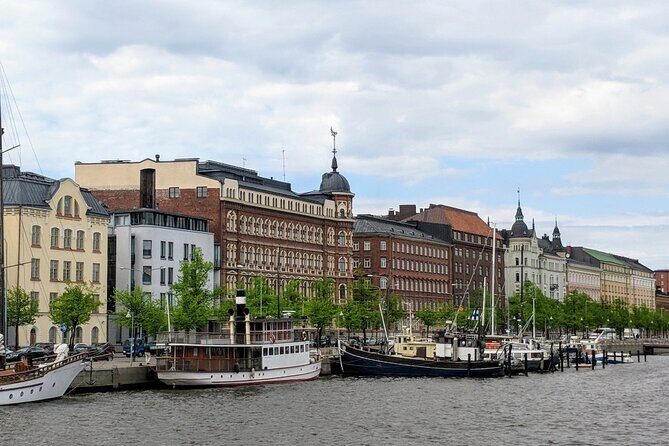
Kaisaniemi is Finland’s oldest botanical sanctuary, and it’s a great contrast after the big-stone drama of the station. The recording tells you what to notice: you’re dealing with a greenhouse world where Nordic weather doesn’t control the plants.
The audio calls out the scale—800+ plant species—and the fact that the greenhouse complex has tropical plants that thrive indoors. It also includes the human story: the garden’s scientific heritage dating back to 1678, plus how the glass houses survived both world wars.
If you like “how did they even manage that” stories, listen for the part about rare specimens being smuggled to safety during bombing raids. You’ll probably feel more protective of the garden when you realize what was risked to keep it alive.
One practical note: this stop is flagged as admission not included, so you should expect a ticket cost if you want full access.
Stop 3: The National Library’s zodiac ceiling and moving books

The National Library of Finland (Carl Ludvig Engel’s neoclassical design) is built like a statement: learning as something public and important. The audio treats the building like a symbol, not just a room where people read quietly.
Two highlights from the recording:
- The symbolic decorations, including the zodiac ceiling
- The underground book conveyor system that still operates
That conveyor detail is the kind of thing you might miss if you’re just walking by, and it makes the library feel more alive and practical.
You’ll also get the dramatic side: how precious manuscripts were saved from fire and war, and why the library became a guardian of Finnish cultural identity during turbulent periods.
A few more Helsinki tours and experiences worth a look




Stop 4: Senate Square, the time capsule, and political hidden passages
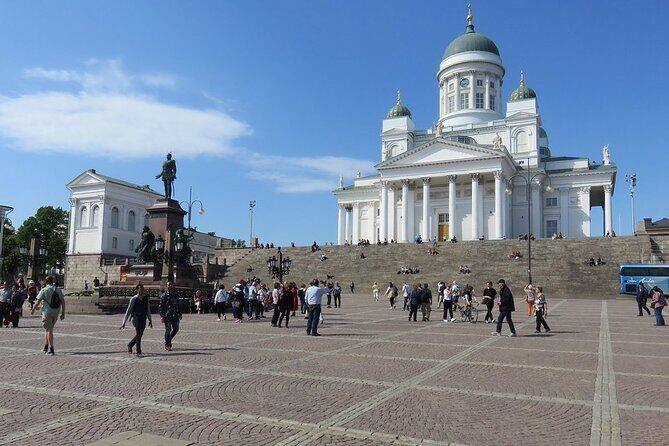
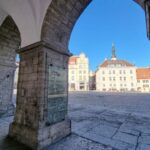
Senate Square is where Helsinki turns theatrical. The audio explains why the buildings look harmonious even when the politics were not.
You’ll hear how the square reflects Finnish resilience alongside Russian imperial ambition. And rather than listing dates, the narration frames the square as a stage for key events—from declarations of independence to modern celebrations.
Listen for the line about a time capsule buried beneath the cobblestones. It’s one of those details that makes you look down instead of just staring up.
The recording also mentions underground passages connecting government buildings. Even if you don’t go underground, the idea changes how you experience the square: it’s not just what you see, it’s how power moved beneath it.
Stop 5: Helsinki Cathedral’s acoustics and complicated construction politics

Helsinki Cathedral is visually simple from far away, but the audio makes it feel complicated and political in a way that’s easy to understand.
You’ll learn about the cathedral’s relationship to Russian rule and Christian faith, including tensions around the construction and the architect’s effort to balance imperial demands with Finnish sensibilities.
Then the audio gets delightfully practical: it points out the cathedral’s acoustic properties so that whispers carry. Try it if you’re there and it’s appropriate—sound in a big stone space can feel like magic.
There’s also mention of secret chambers few visitors notice. Even if you don’t find them yourself, the way the audio frames them keeps you alert as you move inside.
This is a free-stop in terms of entry, but still plan time if you want to sit and listen.
Stop 6: Helsinki City Museum and the city behind the city
The Helsinki City Museum connects the dots between everyday objects and big historical shifts. The recording’s angle is smart: you’re not only learning dates, you’re seeing how normal life changed over centuries.
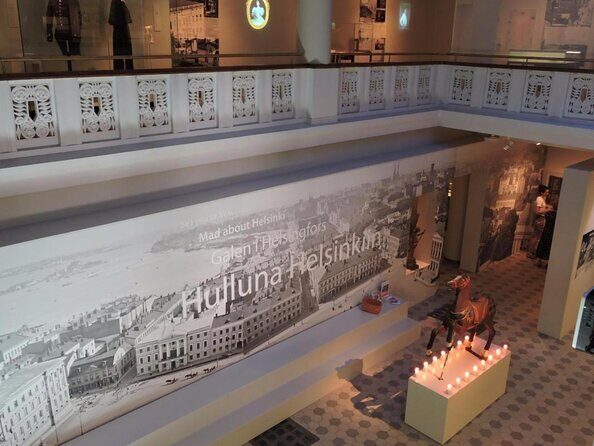
You’ll hear about Helsinki’s transformation from a fishing village into a modern Nordic capital, with exhibits and artifacts covering about eight centuries. The audio emphasizes everyday items that witnessed major moments, including things like medieval trade disputes.
A standout feature for history nerds: the audio mentions archaeological findings beneath the city and a hidden network of preservation efforts that saved lots of treasures.
This stop can be a strong “rainy weather anchor” if you want an indoor break between outdoor landmarks.
Stop 7: Uspenski Cathedral and the skyline contrast of two traditions
Uspenski Cathedral dominates Helsinki’s view, and the audio helps you read what you’re seeing. The recording highlights it as the largest Orthodox cathedral in Western Europe, with a red-brick facade and golden domes.
It also frames the cathedral as more than architecture: it’s tied to Russian Byzantine tradition and Finnish craftsmanship. In a mostly Lutheran Finland, the audio points out how the cathedral became a symbol connected to religious tolerance and cultural diversity.
Listen for the iconostasis discussion and the story of how precious icons were protected during turbulent periods. That detail lands harder once you realize what it meant to safeguard religious art in a conflict zone.
Free entry here, but still expect to spend time looking closely at details.
Stop 8: Kauppatori market square and the orange tent lore
Kauppatori is where Helsinki smells like fish and sea air and sounds like multiple languages at once. The audio explains how it evolved from a medieval trading post into a modern tourist magnet.
One of the better “what am I looking at” moments is the history behind the market’s orange tents. The audio also references underground infrastructure that keeps the market operating.
If you want a sense of human drama, the narration includes tales of international intrigue tied to market stalls. Even if you don’t catch every story, you’ll understand that markets have always been business plus politics plus gossip.
This stop is free. The only extra cost is whatever you feel like eating.
Stop 9: Old Market Hall’s 1889 food architecture
Old Market Hall is a time capsule for Finnish food culture. The audio calls out the building’s 1889 date and the red-brick look that fits the historic market vibe.
You’ll learn why the hall mattered for food preservation and distribution in the 19th century, focusing on design features that helped people keep supplies moving.
The narration also includes merchant family stories and how fortunes were made inside these walls. It even touches wartime rationing and then ties it to what businesses still do today—how long-standing shops survive by keeping traditions alive and techniques working.
Free entry, but plan to arrive hungry.
Stop 10: Suomenlinna fortress (UNESCO) and the island-city story
Suomenlinna is one of those Helsinki experiences that makes a short audio tour feel like it’s doing its job. The audio frames it as a UNESCO World Heritage monument to military engineering: an island city created to control the Baltic Sea.
You’ll get the big arc:
- Swedish engineering ideas from the 18th century
- Its role as protector and prison
- Stories of sieges and surrenders
This stop stands out because the audio doesn’t keep it abstract. It mentions tunnels that honeycomb the islands and notes that the fortress later became a cultural center and residential community.
One catch: this is marked as admission not included, so you’ll pay an entry fee if required. Also, since transport isn’t included, plan your travel time out and back with Helsinki public transit or ferry access you already arrange.
Stop 11: Havis Amanda and the mermaid that became political
Havis Amanda, the bronze mermaid, is Helsinki’s most famous harbor resident. The audio explains why she’s more than a pretty statue.
You’ll learn about the controversy when the statue was unveiled, including the idea that conservative Helsinki wasn’t ready for such bold art. Then the narration connects Amanda to independence symbolism and a tradition where she becomes a political symbol each May Day.
There’s also a “stuff people do” angle: stories about attempted vandalism and protection efforts. It gives you a sense that public art can spark real emotion.
Free entry. It’s also a great stop for a short break—sit near the harbor and let the audio finish while you watch the water.
Stop 12: Esplanadi Park and the social role of a city’s green space
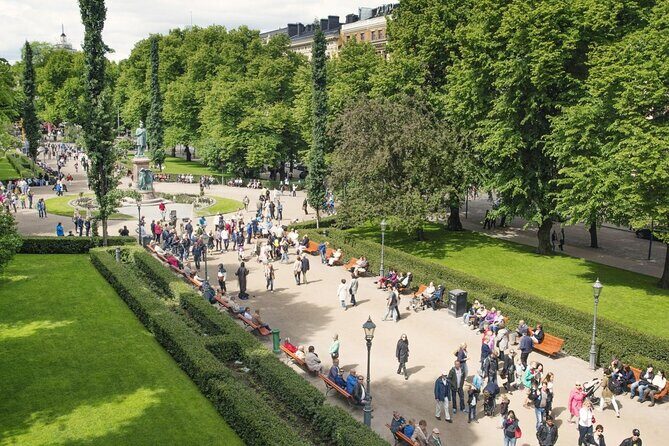
Esplanadi Park is where Helsinki people go to meet, listen, and hang out. The audio focuses on how it continues its original purpose as the city’s social heart.
You’ll hear about the bandstand and how famous performances launched careers, which turns a park walk into a cultural history path. The recording also mentions meanings behind the landscape design and even underground utilities that keep the park functioning.
One interesting political note from the audio: Esplanadi has been a site for demonstrations and celebrations, so it’s not just leisure—it’s civic space.
Free entry and a good choice between more indoor-heavy stops.
Stop 13: Kamppi Chapel of Silence and acoustic isolation in wood
Kamppi Chapel of Silence takes a simple idea—quiet—and makes it architectural. The audio explains how the wooden structure creates acoustic isolation, reducing the chaos of Helsinki’s busy district around it.
You’ll also hear about construction techniques that tie into Finnish wooden craftsmanship traditions, with a modern spiritual purpose. The narration includes the idea of community healing and philosophical concepts guiding the design, plus references to sustainable building practices.
Free entry. This one is especially satisfying when you’ve been walking all day and your brain needs a reset.
Stop 14: Kiasma and the modern-art building that caused debates
Kiasma (Museum of Contemporary Art) is for modern art lovers, but even if you’re not a heavy contemporary fan, the building itself is worth the stop.
The audio points out that Kiasma’s architecture caused construction controversies, and it helps you frame that debate instead of treating the building as an oddity.
Listen for the mention of curved galleries that change how you view art. That design affects your movement and attention inside.
The audio also includes the behind-the-scenes side: hidden storage and conservation facilities that protect Finland’s artistic future—useful context when you realize museums are also careful caretakers.
This is marked as admission not included, so keep that in mind.
Stop 15: Oodi Central Library and 21st-century public space
Oodi is Helsinki’s public library on steroids, in the best way. The audio connects the architecture to education and equality, and it frames the library as a democratic space where people create, explore, and learn.
You’ll hear about innovative design choices and philosophical principles that shape this public feel. The recording also mentions hidden technology powering it and the sustainable features tied to its construction.
The best reason to visit with the audio: it turns the building into a values lesson without making it preachy.
Free entry. Also a great place to warm up, rest your legs, and then decide what to do next.
Stop 16: Parliament House granite and how democracy looks in stone
The Parliament House is described in the audio like a fortress of Finnish governance. You’ll notice the imposing granite architecture and then learn what the building symbolizes.
The recording covers design elements and security features hidden in the classical facade, and it ties the building to nearly a century of parliamentary sessions and national decisions.
It also includes wartime sessions and stories of historic debates that shaped Finland. If you want a sense of how procedure matters, the audio describes Finnish parliamentary traditions, which helps you understand what you’re looking at when you stand in front of power.
Free entry. If you’re planning photos, this is a good stop when the light is steady.
Stop 17: Natural History Museum and specimens with a research purpose
If you want science with stories, this is your stop. The audio frames the museum as Finland’s natural heritage house, with displays from dinosaur fossils to Arctic wildlife.
What makes it more than a standard museum walk: the recording focuses on research mission and expeditions that brought specimens to Helsinki.
It also mentions hidden collection storage areas holding millions of specimens, and it brings conservation into the conversation by pointing out ongoing conservation efforts for endangered species.
This one is marked as admission not included, so expect a ticket if you want to enter. Still, it’s a very good choice if you’re traveling with kids or you want a break from city walking.
Stop 18: Temppeliaukio Church carved into rock
Temppeliaukio Church is one of the most unusual churches in Europe. The audio explains that it’s carved directly into solid rock and that the stone walls create near-perfect acoustic conditions for concerts and contemplation.
You’ll hear about the engineering challenges of carving the space and the selection process that led to this design winning an architectural competition.
The recording points out the copper dome and ice-age rock formations, and it connects the church to Finnish ingenuity rather than treating it as a quirky one-off.
This is marked as admission not included, so plan for that.
Stop 19: National Museum of Finland and the thread of Finnish identity
The National Museum gives you the “how did we get here” backbone for the rest of Helsinki.
The audio describes exhibits that trace Finnish civilization from prehistoric settlements to modern independence. It also explains how artifacts were protected during foreign rule and turbulent times.
The narration includes collector and scholar stories behind the museum’s collection, plus the idea that recent archaeological discoveries keep reshaping understanding of Finnish history.
This is also marked as admission not included. If you’re short on time, I’d use the audio here as a decision tool: listen to the themes before you go, then focus your attention on what matches your interests.
Stop 20: Hietaniemi Cemetery and famous lives in a seaside setting
Hietaniemi Cemetery is peaceful and surprisingly moving. The audio describes it as a memorial landscape honoring Finland’s celebrated citizens, from presidents to artists.
The recording focuses on design principles, symbolic memorial sculptures, and burial traditions that reflect Finnish cultural values.
You’ll also get connections between notable residents, which makes the cemetery feel less like random graves and more like a map of national achievement.
Free entry. This is a great stop near the end of your day when you want quiet.
Stop 21: Sibelius Monument and the steel sound of national pride
Sibelius Monument is abstract steel that somehow still feels emotional. The audio explains the controversy around its unveiling and frames how the sculpture became a beloved symbol of artistic freedom and cultural identity.
The standout detail is that the monument’s organ-pipe design can create unique acoustic effects. Even if you don’t hear it perfectly, the thought of music shaping the monument makes you experience it differently.
The audio also ties Sibelius to Finland’s independence, which helps connect the arts to national story rather than treating them as separate worlds.
Free entry.
Stop 22: Seurasaari open-air museum for rural Finland
Seurasaari lets you step out of the city center and into a preserved slice of rural heritage. The audio describes it as a living museum of historical buildings relocated from across Finland.
Instead of just showing structures, the narration focuses on the stories of the families who lived in these buildings, plus seasonal traditions and folk customs shaped by everyday rural life.
The audio also highlights construction techniques and the care staff take to maintain historical accuracy during interpretation. It includes stories about how these buildings survived dramatic relocation.
This stop is marked as admission not included, so plan costs and travel time.
Stop 23: Toolo Bay’s walkable water and city planning
Toolo Bay gives you a breather: water views plus paths plus a sense that Helsinki tries to keep nature within reach.
The audio frames it as an urban waterway that changed from an industrial harbor into a recreational paradise. It emphasizes the urban planning vision behind the green corridor feel.
Listen for the part about engineering that maintains water quality and the wildlife that thrives there. It also mentions winter activities, which matters in a place where seasons really change what outdoors means.
Free entry and a good choice when you want a low-effort stretch between bigger attractions.
Stop 24: Kallion Kirkko and working-class spirituality
Kallio Church (Kallion Kirkko) is a powerful stop if you want church architecture tied to social life, not just religion.
The audio describes its granite look and towering bell tower, placing it as a community anchor in Helsinki’s bohemian Kallio district. It covers the church’s role in social activism and mentions progressive clergy making it a center for social justice.
The narration points out unique acoustic properties and an organ that helps it function as a concert venue.
It also includes wartime services and frames the church as working-class spirituality and community solidarity. Free entry makes this an easy emotional add-on.
Stop 25: Kumpula Botanical Gardens for plant science and climate research
Kumpula Botanical Gardens is where Helsinki gets serious about plants. The audio describes it as both a scientific research facility and a public garden, with educational exhibits and exotic plants.
You’ll hear about ongoing research projects and conservation efforts focused on preserving plant diversity, including greenhouse environments for rare species.
The audio also connects the gardens to climate change research and tells you how botanical knowledge helps support environmental protection and sustainable development.
Free entry. If you’re the type who likes to understand how a place works behind the scenes, this is a satisfying stop.
Stop 26: Kivinokka’s Baltic coast and ice-age shaped rocks
Kivinokka is for fresh air and geology. The audio describes it as a coastal recreation area with rocky shores meeting the Baltic Sea.
Listen for the geological story: ice-age glaciers shaped the rock formations, and the area has an ecosystem that adapts to the coastal conditions.
It also ties in seasonal changes and Finland’s traditional relationship with coastal landscapes, plus it explains why this spot becomes a beloved retreat for urban dwellers.
Free entry. This is a great finale because it closes the loop: Helsinki isn’t just stone and statues—it’s water, weather, and the shape of the land.
Should you book this Helsinki self-guided audio tour?
I’d book it if you want a low-cost, flexible way to see Helsinki’s biggest sights with story context you can take at your own pace. The price-to-content ratio is strong, especially because so many stops are free to enter and the playlist gives you clear reasons to look up, look down, and notice details.
I’d think twice if you need long-form depth at every stop. The audio segments are short, so plan to spend extra time on the ground—especially at places like the National Library, museums, and the ticketed sites.
Final rule of thumb: use the audio as your compass, then let each place pull you in for as long as you want. That’s where the tour feels worth every dollar.
FAQ
Is this tour GPS-guided?
No. It is not a GPS-guided experience. You use a SoundCloud audio playlist and an interactive map in your browser to select and play each stop’s audio.
How much does the Helsinki audio tour cost?
The price is $6.00 per person.
How long does the tour take?
The duration is listed as 3 to 9 hours approximately, depending on what you choose to visit and how long you stay at each stop.
What’s included in the $6 ticket?
You get private access links to (1) an audio guide playlist for 26 attractions and (2) an itinerary map with audio linked to each attraction.
How long do I have access to the tour materials?
Your private access links are valid until your tour is complete, with a maximum validity of 6 days.
Is the tour available in English?
The tour is offered in English.
Do I need tickets for all attractions?
Entry fees are not included. Some stops are listed as admission ticket free, while others are listed as admission not included, so you should expect to pay for those if you want to enter.
What do I need to bring to use the audio tour?
You’ll need headphones/earphones, a fully charged smartphone, and internet access.
Where does the tour start and end?
It starts and ends in Helsinki, Finland. Since it is self-guided, you can choose your starting and ending point.
Is the experience refundable if I cancel?
No. The purchase is non-refundable and cannot be changed for any reason.