REVIEW · HELSINKI
Helsinki: Suomenlinna Museum Ticket
Book on GetYourGuide →Operated by Ehrensvärd-seura ry · Bookable on GetYourGuide
Fortress history, served with coffee and a short film. Suomenlinna Museum is a smart way to understand why this island fortress mattered for centuries, from 18th-century construction through later Russian and Finnish eras. I like the way the permanent exhibition lays out the story clearly, and I also enjoy the practical touch of museum cafeteria coffee that’s available all year. One thing to consider: your visit depends on timing the ferry to the island, since ferry tickets are not included.
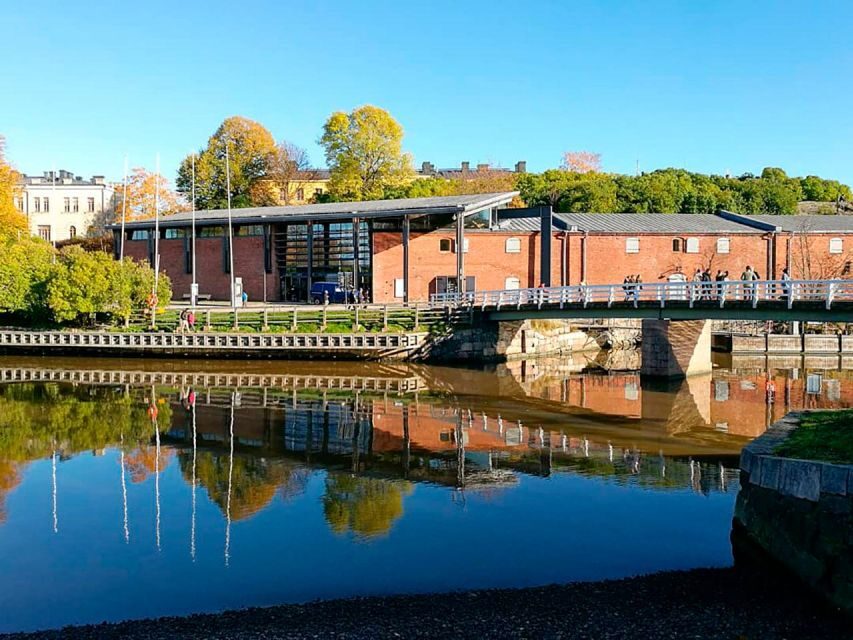
You’ll find the museum in the Suomenlinna Centre by Artillery Bay, and it’s open all year long. Your ticket includes entry plus the Suomenlinna Experience film, shown in the auditorium during opening hours.
In This Review
- Key things you’ll notice right away
- Getting to Suomenlinna Centre: plan around the ferry and your entry time
- What your museum ticket really includes (and what it doesn’t)
- A day of fortress storytelling: how the museum visit flows
- Permanent exhibition: from 18th-century build to modern Finland
- Swedish, Russian, and Finnish eras: why the museum’s changing viewpoint helps
- Temporary exhibition: how the museum connects today to old stone
- The Suomenlinna Experience film: a 25-minute jumpstart, shown every 30 minutes
- Museum auditorium timing: how to avoid getting stuck outside the show
- Coffee at the museum cafeteria: a small perk that matters
- Location advantages: why Artillery Bay feels like the right place to learn
- Value for money: is $11 a fair deal?
- Who this museum ticket suits best
- Should you book this Suomenlinna Museum ticket?
- FAQ
- Where is Suomenlinna Museum located?
- Does the ticket include the film?
- How long is the Suomenlinna Experience film?
- How often is the film screened?
- What languages are available for the film?
- Is the ferry included with the museum ticket?
- What time should I plan to enter the museum?
- Is the museum open year-round?
- Is the museum wheelchair accessible?
Key things you’ll notice right away
- A fortress-sized timeline: permanent exhibits cover the 18th century to today, including Swedish, Russian, and Finnish eras
- Interactive exhibits: you’re not just reading labels—things are set up for hands-on learning
- The 25-minute wide-screen film: screened every 30 minutes in the museum auditorium
- Film in many languages: Finnish, Swedish, English, Russian, Japanese, German, Spanish, French, and Mandarin Chinese
- Coffee without waiting for summer: the museum cafeteria is open all year
- Wheelchair accessible: the site is set up for visitors with mobility needs
Getting to Suomenlinna Centre: plan around the ferry and your entry time
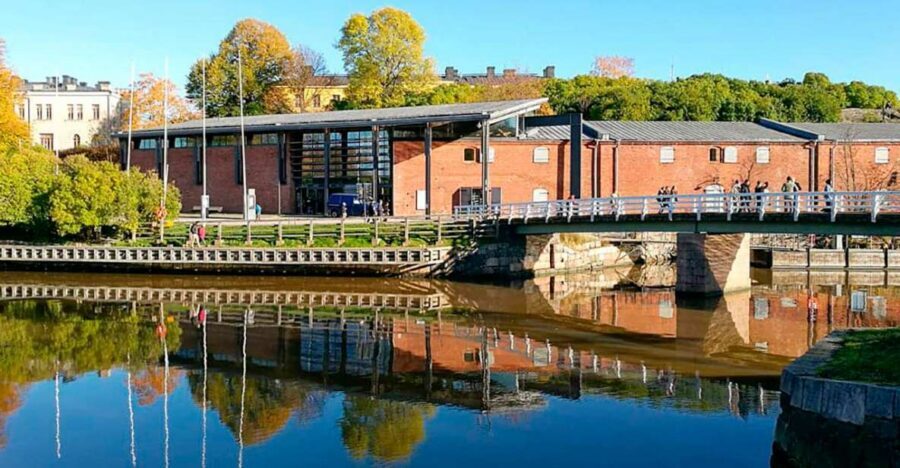
Suomenlinna sits offshore from Helsinki, and reaching it is part of the experience. The museum itself is easy to find once you’re on the island: Suomenlinna Centre by Artillery Bay is where you’ll go.
Because ferry tickets aren’t included with the museum ticket, I recommend you start by figuring out your round-trip ferry plan before you pick your museum time. Don’t wait until you’re standing on the mainland with a tight schedule—on island trips, “tight” can become stressful fast.
Also remember the museum’s closing rhythm: the last entry is half an hour before closing. That one rule can change your whole afternoon. If you want time to wander and take breaks, aim to enter the museum comfortably before that last-entry window.
A few more Helsinki tours and experiences worth a look


What your museum ticket really includes (and what it doesn’t)
This $11 per person ticket gets you into Suomenlinna Museum and includes the film shown in the auditorium. That means you’re paying for a focused experience: exhibits + the movie-style orientation that helps you connect the dots.
What’s not included is the ferry ride. Think of this ticket as the learning portion once you’re already on the island. If your goal is simply to understand Suomenlinna without committing to hours of outdoor wandering, this is a tidy, self-paced way to do it.
The activity is listed as valid for 1 day, so you’re not locked into one exact minute. You can choose a timing that fits your day in Helsinki, then spend as long as you want inside the museum while it’s open.
A day of fortress storytelling: how the museum visit flows
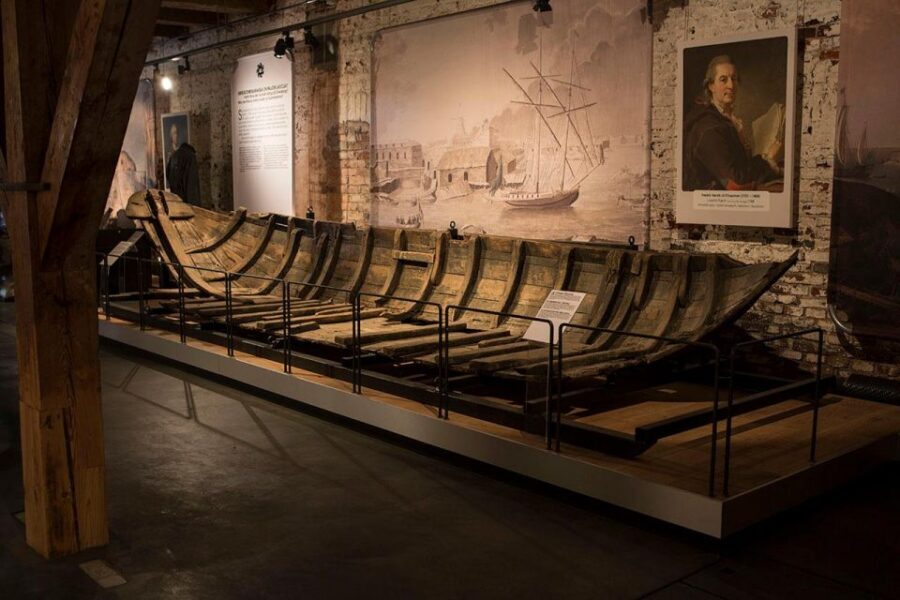
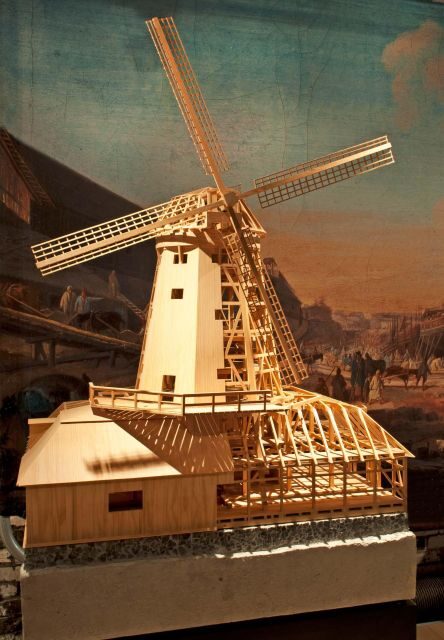
You’re basically building a mini itinerary inside the museum area. The museum has a permanent exhibition (the long, historical backbone) plus a temporary exhibition (current themes). I like this setup because it keeps the fortress story from feeling frozen in time.
Here’s the way I’d structure your time, so you don’t feel rushed:
1) Start with the film or the permanent exhibits, depending on the showtimes you catch.
2) Move through the permanent exhibition at your own pace, focusing on the eras and conflicts that interest you.
3) Add the temporary exhibition last, so you end with something that feels connected to today rather than only the past.
4) Take a break at the cafeteria if you need a reset. Coffee on an island trip is a small thing that makes the whole day feel easier.
Even if you’re not a “museum person,” the film helps you build context quickly. And once you’ve got that baseline, the exhibitions make more sense because you’re not guessing why certain rooms or objects matter.
Permanent exhibition: from 18th-century build to modern Finland
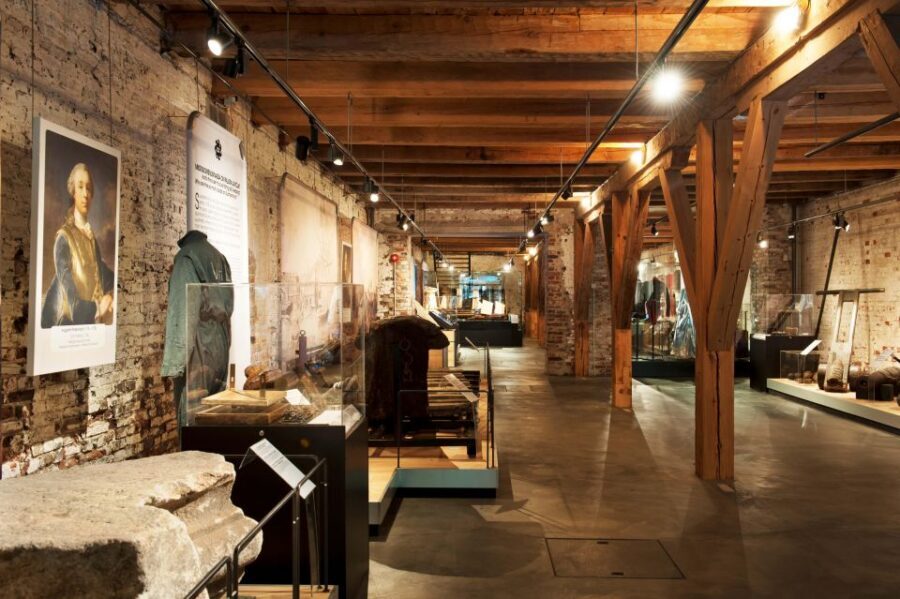
Suomenlinna is one of the largest sea fortresses in the world, and it used to be nicknamed the Gibraltar of the North. The museum’s permanent exhibition is designed to explain that scale and purpose, covering the fortress from the 18th century to the present day.
What I like is that the story doesn’t treat the fortress like one long unchanging thing. Instead, the exhibits follow how the site changed hands and roles across major periods, including the Swedish, Russian, and Finnish eras. That matters because you’ll see how strategy, daily life, and conflict pressures shift when power shifts.
You can expect the museum to address major construction and use phases. The permanent exhibition covers the years of construction work, the experience of living in a naval base, and the fortress’s role in conflicts. It also brings in Finland’s later history through the museum’s treatment of the Civil War and what happened in the aftermath.
If you’re the type who likes cause-and-effect, this exhibit format is a good match. You can follow the logic: build it for defense, use it as a base, get tested during conflicts, then adapt as the political world changes.
Swedish, Russian, and Finnish eras: why the museum’s changing viewpoint helps
A lot of fortress sites can feel like a single narrative told one way. Here, the museum keeps the story moving across eras, which makes the place feel more human and less like a static monument.
You’ll notice that the museum approach matters. When you understand that the fortress served different states, you start seeing the same walls and structures differently. The museum frames those changes through the Swedish, Russian, and Finnish timelines, so you’re not only learning dates—you’re learning why those dates mattered.
I also appreciate the balance of topics implied by the exhibition themes. The museum doesn’t just focus on battles. It points to everyday life inside the naval base and the struggles that played out during later turmoil. That wider angle makes it easier to imagine what living and working there might have been like.






Temporary exhibition: how the museum connects today to old stone
Alongside the permanent displays, there’s a temporary exhibition focused on current themes. I like this part because it prevents the museum from becoming only a history lesson in costumes.
Without inventing extra details, the core benefit is that it adds an “and now” layer. You end the visit thinking about the fortress as an ongoing presence tied to questions that still matter today—rather than treating it as an artifact sealed in the past.
If you’re short on time, you can scan the temporary exhibition efficiently. If you have more energy, slow down here, because this is where the museum can feel most relevant.
The Suomenlinna Experience film: a 25-minute jumpstart, shown every 30 minutes
If you only have part of a day, don’t skip the film. The Suomenlinna Experience short film runs 25 minutes and is screened in the museum auditorium every 30 minutes during opening hours. That regular schedule is helpful: it means you can plan around it without guessing too much.
It’s a wide-screen presentation, and it’s built to explain the fortress through the people behind the work and the centuries it served under three states. In plain terms, it’s the “set your bearings fast” option before you start reading exhibit panels.
Language coverage is a big plus. The film is available in Finnish, Swedish, English, Russian, Japanese, German, Spanish, French, and Mandarin Chinese. So even if your party has different language comfort levels, you have a decent chance of finding a showing you can follow.
My practical tip: pick the film showing that matches your language—and treat it like your timeline anchor. Afterward, the permanent exhibition tends to feel less like separate rooms and more like one coherent story.
Museum auditorium timing: how to avoid getting stuck outside the show
Because screenings run every 30 minutes, you can often align the film with your arrival. But the museum also has the last entry rule—you don’t want to miss entry and then miss your planned film.
When I plan a museum day on a ferry island, I try to do one of two things:
- If the next film is soon, go straight to the auditorium first.
- If the next film is far off, start with the permanent exhibition while you wait.
This way you don’t spend energy checking the clock every five minutes. You’ll also get a smoother flow through the space, because you’re not bouncing between rooms at random.
Coffee at the museum cafeteria: a small perk that matters
One highlight is simple: you can grab a cup of coffee in the museum cafeteria all year round. On an island day, this is more than a snack stop. A warm drink gives you a real break point, which makes the museum feel less like homework.
If your timing gets a little mixed—weather changes, ferry delays, or you lose track of time—coffee is a good reset. It also gives you a chance to regroup before you continue through temporary exhibits or additional sections of the permanent displays.
Location advantages: why Artillery Bay feels like the right place to learn
The museum’s location at Suomenlinna Centre by Artillery Bay is convenient because it anchors your visit at a main hub rather than scattering things around the island. That matters if you’re building a museum-first day.
Even if you don’t plan a full outdoor wander, starting at a clear central point helps you feel oriented. It’s easier to pace yourself, and it keeps ferry logistics simpler since you’re not guessing how far you’ll need to walk back.
Value for money: is $11 a fair deal?
For $11 per person, you’re getting admission to the museum plus the film included in the auditorium. In practice, that’s a good value if you want more than a quick browse but don’t want to spend all day sightseeing outside.
Here’s why the value works:
- The permanent exhibition covers a broad timeline (18th century to present), including multiple state eras.
- The film gives you quick context in about 25 minutes, without needing to read every label first.
- You can add the temporary exhibition at your own pace.
- Coffee on-site means you can take breaks without leaving the museum complex.
The main value risk is the one limitation you control: if you arrive late and only have time for a skim, you won’t get the full benefit of both exhibits and film. So the best way to make the $11 feel like a steal is to enter with enough time for at least one complete pass through the permanent exhibition and the film.
Who this museum ticket suits best
This ticket is a great fit if you want a structured, self-paced way to understand Suomenlinna without complicated planning once you’re on the island.
I think it works particularly well for:
- First-time visitors who want the big story fast
- People who appreciate clear timelines and era-by-era explanations
- Families or mixed-language groups, because the film is offered in many languages
- Anyone who wants a year-round option in Helsinki when weather is unpredictable
If you’re mainly after long outdoor walks or fortress photography, you might find that a museum-only ticket is only part of the day. But as a learning stop on an island fortress, it’s one of the most practical choices you can make.
Should you book this Suomenlinna Museum ticket?
If you’re trying to get real meaning out of Suomenlinna in limited time, I’d book it. For a little over ten bucks, you’re paying for both the museum admission and the film that ties the story together, plus year-round comfort with coffee.
Book it if you:
- Want a clear historical overview from the 18th century to today
- Appreciate exhibits that cover everyday naval-base life and conflicts
- Like having a film option that runs regularly during opening hours
Skip or reconsider if:
- Your schedule is so tight that you can’t comfortably handle the museum’s last entry half an hour before closing
- You only want outdoor island time and don’t care about exhibits or the auditorium film
FAQ
Where is Suomenlinna Museum located?
Suomenlinna Museum is in the Suomenlinna Centre, by Artillery Bay.
Does the ticket include the film?
Yes. The ticket includes entry to Suomenlinna Museum, including the film shown in the museum auditorium.
How long is the Suomenlinna Experience film?
The film is 25 minutes long.
How often is the film screened?
The film is screened every 30 minutes during the museum’s opening hours.
What languages are available for the film?
The film is available in Finnish, Swedish, English, Russian, Japanese, German, Spanish, French, and Mandarin Chinese.
Is the ferry included with the museum ticket?
No. Ferry tickets are not included.
What time should I plan to enter the museum?
The last entry is half an hour before closing.
Is the museum open year-round?
Yes. Suomenlinna Museum is open all year round.
Is the museum wheelchair accessible?
Yes. The museum is wheelchair accessible.