REVIEW · IVALO
Inari: 2 hour Ice Fishing at Lake Inari
Book on GetYourGuide →Operated by Galddoaivi Safaris · Bookable on GetYourGuide
Cold days on the ice can be magical.
This 2-hour Lake Inari ice-fishing outing is built for first-timers, with a guide who equips you with modern sonar and teaches local techniques as you fish. I especially liked the hands-on setup—most of the work is done for you (gear, bait setup, and drilling holes), so you focus on learning. Another standout is the ride: you sit comfortably in a sledge pulled by snowmobile out onto the frozen lake.
The main thing to consider is simple: you’ll be out on the ice in winter, and staying warm depends on your layering and following the guide’s safety instructions.
In This Review
- Key highlights
- Where You Meet in Inari and How the Morning Gets Rolling
- The Snowmobile Pull and Sledge Ride: Comfort Versus Cold
- Modern Sonar and the Ice Fishing Gear Setup That Helps You Catch Fish
- Atte Ikkala’s Custom Gear and Fly Tying Style
- Fishing on Inari Lake: Holes, Technique, and When the Tent Saves the Day
- Hot Drinks, Small-Group Coaching, and the Pace of a 2-Hour Outing
- Price and Value: What You’re Paying for at $147 Per Person
- Who Should Book This Ice Fishing Trip (and Who Might Skip It)
- Should You Book Inari: 2-Hour Ice Fishing at Lake Inari?
- FAQ
- How long is the ice fishing experience?
- What group size is this tour?
- What languages are available?
- How do you get out onto the frozen lake?
- What fishing gear is included?
- Is there shelter if it’s very cold?
- What food or drinks are included?
- Where do you meet for the tour?
- Is hotel pickup included?
Key highlights
- Sonar-assisted ice fishing to help you read what’s under the ice
- Sledge ride across Lake Inari for a smooth, comfortable trip out to the fishing spots
- Fishing tent on cold days so you can keep fishing without freezing your hands
- Custom gear and fly tying by Atte Ikkala for a more personal, Lapland-style approach
- Small group (max 6) for real coaching, not just instructions from afar
- Hot drink included to warm you up before and after fishing
Where You Meet in Inari and How the Morning Gets Rolling
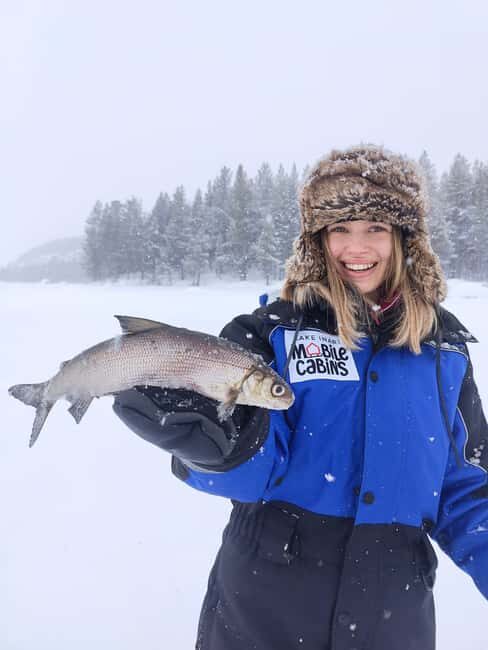
You’ll meet at a very specific spot: turn right at the red sign that says Lake Inari Mobile Cabins. It’s the kind of clear landmark that helps when you’re arriving in Lapland winter conditions and can’t afford a scavenger-hunt.
From there, your guide takes you to the fishing spots, which are located a few kilometers from Inari village. This matters because it keeps the experience tight and focused: you’re not spending the whole outing just getting to the lake.
You’ll start with a quick check-in with your guide, then head out with the group. The tour runs for about 2 hours, so everything is paced to fit that window without wasting time on long transfers.
A few more Ivalo tours and experiences worth a look
The Snowmobile Pull and Sledge Ride: Comfort Versus Cold
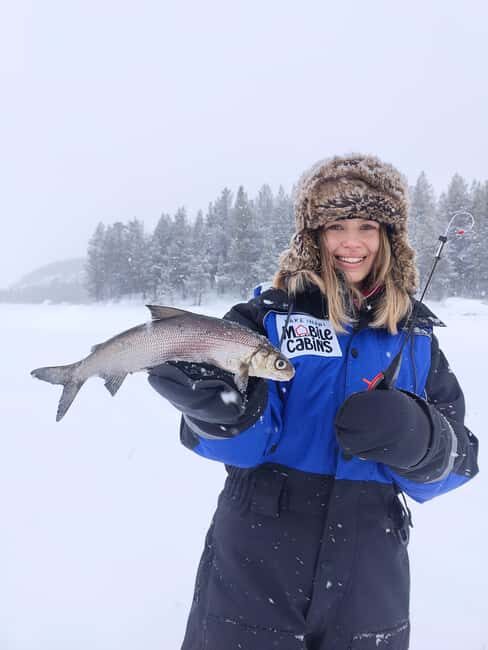
This part is more than just transportation. The activity gives you a sledge ride pulled by a snowmobile, and you’ll travel up to about 4 km out onto the ice. For many people, that’s half the fun—the feeling of getting out over a silent frozen lake, knowing you’re headed to your own fishing spot.
Comfort is the theme here. You sit in the sledge instead of walking or hauling gear across snow. Still, “comfortable” doesn’t mean “warm.” You’re moving across cold air and frozen surfaces, so plan on thicker layers than you’d wear for a casual city winter.
Two practical tips I’d take into this kind of outing:
- Wear insulating layers you can adjust if you warm up during setup.
- Bring gloves that work with your hands. You’ll be handling fishing gear, and stiff mitts can turn learning into frustration.
Your guide will also give safety instructions. In winter on a frozen lake, that isn’t optional fluff—it’s how you keep the day smooth.
Modern Sonar and the Ice Fishing Gear Setup That Helps You Catch Fish
The heart of the experience is the gear. You’ll use the latest ice fishing equipment, including ice fishing sonar. For beginners, sonar is a big deal because it helps you make smarter choices about where to fish through the ice rather than guessing.
Here’s what that means in practice: when you’re new, the hardest part isn’t actually throwing the line—it’s understanding what’s happening below. Sonar gives you extra feedback, so you can adjust without turning every moment into trial-and-error.
Another layer of value: your guide brings the equipment, and the gear is suited to this environment. You’re not trying to improvise. You’re using tools designed for frozen-lake fishing, including techniques that match how Inari Lake holds fish.
Atte Ikkala’s Custom Gear and Fly Tying Style
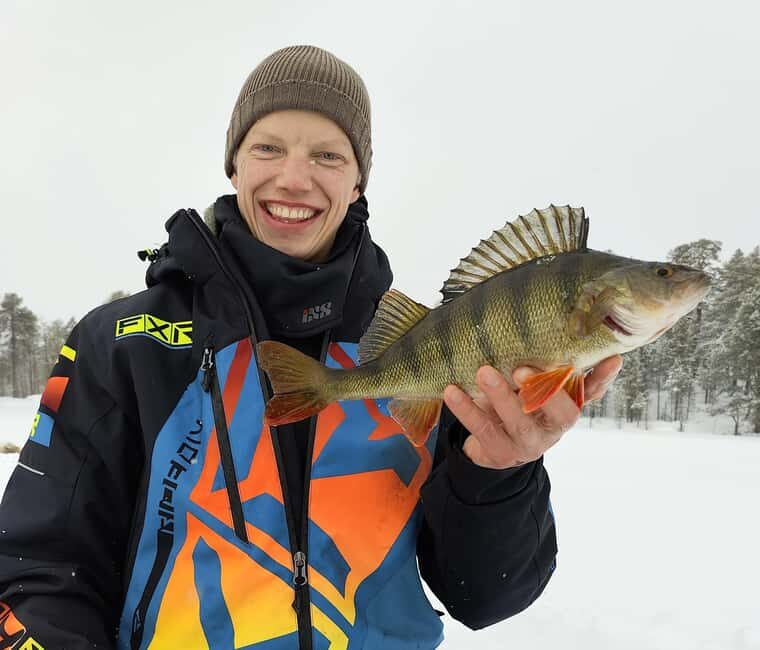
One of the most interesting touches is the human side of the craft. Your guide, Atte Ikkala, makes custom ice fishing gear and ties his own fishing flies. That means you’re not just using equipment off a shelf—you’re getting the approach of someone who’s worked this lake style for a long time.
Even if you’re not a fly-fishing expert, you can still appreciate the difference. Custom gear and hand-tied flies often translate into better fit, better handling, and a more deliberate setup. And since the guide is teaching you along the way, the gear becomes part of the lesson rather than a random bonus.
If you like activities where you can ask questions—why something is tied a certain way, or how the guide reads the ice conditions—this is the kind of outing that rewards curiosity.
Fishing on Inari Lake: Holes, Technique, and When the Tent Saves the Day
Once you’re out to the lake, your guide takes you to fishing spots and helps you get started. A key part of the flow is that the guide handles the early heavy work—setting up, drilling or making ice holes, and getting the lines ready so you can begin fishing quickly.
Then you learn local fishing technique while you fish. That’s important because ice fishing isn’t just a generic “drop a line and wait” activity. Small technique choices can affect how your bait or lure behaves, and the guide’s coaching helps you adjust on the fly.
Cold-weather comfort is handled with the fishing tent option. On colder days, you fish from inside a tent. That changes the whole experience. Instead of being stuck outside with numb fingers while you wait for action, you can fish more comfortably and stay focused on what your sonar is telling you.
One real-world note from learning this style: you may need to maintain the same general posture for stretches of time. That’s normal for ice fishing, and it can feel tiring if you’re expecting a lot of walking around.
Hot Drinks, Small-Group Coaching, and the Pace of a 2-Hour Outing
This tour is capped at 6 participants, which is a big deal for a learning-heavy activity like ice fishing. With a smaller group, your guide can give individualized attention—correcting your setup, explaining what you’re looking at on sonar, and helping you troubleshoot quickly.
You also get an English-speaking live guide. That matters because when you’re cold and concentrating, you don’t want key instructions delivered too vaguely.
Hot drink is included. It’s a small line item, but in practice it can really help you reset during the outing—especially if you spend part of the time outside before moving into the tent.
The overall duration is 2 hours, and that’s a sweet spot for most first-timers. Long enough to actually learn and catch fish, not so long that you feel trapped on the ice for half a day. If you’re traveling with kids or want a winter activity that doesn’t crush your whole afternoon, this length is practical.
Price and Value: What You’re Paying for at $147 Per Person
Let’s talk money honestly. At $147 per person for a 2-hour guided experience, it’s not a cheap activity. But you can understand where the value is going.
Here’s what the price is effectively covering:
- A guide who stays with you for the full session and teaches you how to fish
- Transportation by snowmobile and sledge, including travel out across the ice
- Use of latest ice fishing gear, including sonar
- Fishing in a tent on cold days
- Hot drink
- Custom craft elements like Atte Ikkala’s gear and fly tying
You’re also getting a small group size, which increases the quality of instruction. If you’ve ever tried to learn a hands-on skill outdoors without proper equipment or coaching, you know how expensive that frustration can be in its own way.
One cost detail to plan for: hotel pickup and drop-off aren’t included. So factor in how you’ll reach the meeting point around Inari village. For some people, that’s a minor add-on. For others, it can change the real total.
Who Should Book This Ice Fishing Trip (and Who Might Skip It)
This tour fits best if:
- You’re a first-timer and want instruction rather than guessing
- You want a guided winter adventure with real equipment and coaching
- You like activities where you can ask questions and get help right away
- You’re okay spending time outdoors in Lapland winter, especially if there’s a tent option
It may be less ideal if:
- You’re extremely sensitive to cold and don’t pack proper layers
- You dislike sitting in one place for extended stretches
- You expect a totally hands-off experience with zero learning curve
The guide’s safety emphasis and the tent option help a lot, but preparation still matters. Dress in warm clothing in layers, and follow the guide’s instructions for safety. That’s not just advice—it’s the difference between enjoying the day and feeling miserable.
Should You Book Inari: 2-Hour Ice Fishing at Lake Inari?
Yes, I’d generally steer you toward booking if you want a structured, high-support introduction to ice fishing. The combination of a small group, sonar, modern gear, and coaching makes the experience feel more like learning a skill than struggling through a winter hobby.
Book it if you value:
- Comfortable getting-out-on-the-ice logistics (sledge pulled by snowmobile)
- Practical instruction for beginners
- The option to fish from a tent when it’s cold
- A guide bringing custom craft details, including Atte Ikkala’s homemade gear and flies
I’d think twice if you’re looking for a long, roaming snow adventure or if you don’t want to be outside in winter at all. For the right traveler, though, this is a smart way to experience Lake Inari without making the day overly complicated.
FAQ
How long is the ice fishing experience?
The experience lasts 2 hours.
What group size is this tour?
It’s a small group limited to 6 participants.
What languages are available?
The live tour guide speaks English.
How do you get out onto the frozen lake?
You’re transported by snowmobile and sit comfortably in a sledge, traveling out onto the lake ice (up to about 4 km).
What fishing gear is included?
You get the latest ice fishing gear, including sonar.
Is there shelter if it’s very cold?
Yes. On a cold day, you fish comfortably inside a fishing tent.
What food or drinks are included?
A hot drink is included.
Where do you meet for the tour?
Turn right at the red sign written Lake Inari Mobile Cabins.
Is hotel pickup included?
No. Hotel pickup and drop-off are not included.