REVIEW · SAARISELKA
Inari: Northern Lights Hunt Snowmobile Safari
Book on GetYourGuide →Operated by Lapland Welcome Ltd. · Bookable on GetYourGuide
A dark night, a snowmobile, and the Northern Lights. That combo is the whole point of this Inari safari—pure Lapland at full volume, minus the town glow. You’ll ride out into absolute darkness, learn the basics on special tracks, and finish with time at a fire-lit tepee where the sky does its thing.
Two things I really like about this experience. First, the snowmobile part feels genuinely learnable. You get a briefing, you drive on prepared routes, and most people pick up the rhythm fast—one guide even did short practice laps before heading further out. Second, the aurora hunting setup is serious: you go somewhere with no nearby lights, with the northern sky left wide open.
One drawback to plan around: cold and discomfort are real parts of the deal. You’re outside for hours, and even with winter gear, it can get brutal—people have reported temperatures around -20°C and -15°F.
Key points at a glance
- No-light viewing area for better aurora odds and easier photos
- Snowmobile training on tracks so you’re not figuring it out from scratch
- Tepee hut + fire stop with warm drinks and BBQ-style snacks
- Aurora timing strategy (the hunt is usually best around 11–12 PM)
- Guide support for safety and pictures when the lights show up
- Lights aren’t guaranteed, but the sky conditions are often favorable when it’s clear
In This Review
- Inari’s Dark-Sky Setup: Why this Aurora Hunt Feels Different
- Hotel Transfers and the 5-Hour Rhythm: What the Night Actually Looks Like
- Snowmobile Briefing and Special Tracks: Learning Fast in Real Conditions
- The Tepee Hut Stop: BBQ Warmth Keeps the Aurora Hunt Going
- Seeing the Northern Lights Under a Polar Star Guide
- What Cold Feels Like at -20°C (and How the Gear Helps)
- Price and Value: Is About $199 Fair for This 5-Hour Night?
- Who This Snowmobile Northern Lights Safari Fits Best
- Small Details That Actually Matter on the Ground
- Should You Book This Inari Northern Lights Hunt by Snowmobile?
- FAQ
- How long is the Inari Northern Lights Snowmobile Safari?
- What time does the safari start?
- Do I need a driver’s license to ride the snowmobile?
- Is solo driving available?
- Is the Northern Lights guaranteed?
- What’s included in the price?
- Can I cancel?
Inari’s Dark-Sky Setup: Why this Aurora Hunt Feels Different
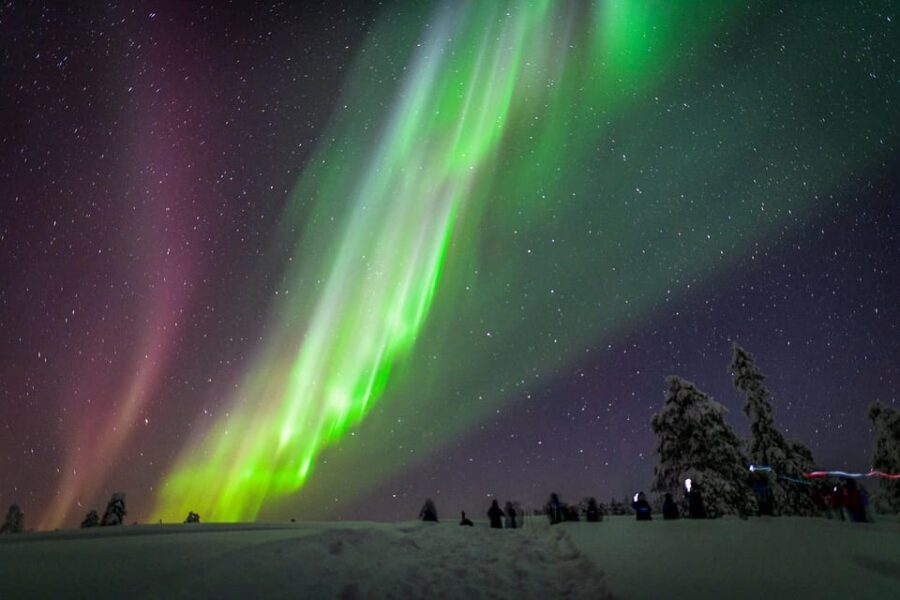
This tour treats the Northern Lights like a real mission, not a hope-and-pray photo walk. The guiding idea is simple: more darkness around you usually means better chances to spot faint aurora bands. The tour’s location is chosen so the northern horizon stays visible and you’re not competing with artificial light from nearby areas.
You also get a night-sky experience that goes beyond just looking up. The guides talk you through what to watch for, including how you can spot star patterns like the Big Bear and the Polar Star. Northern Lights often appear just under the Polar Star, so it gives your eyes a reference point when the sky gets busy.
In clear conditions, the plan aims for strong odds. The lights are not guaranteed, but they’re described as visible in about 90% of clear sky evenings. And there’s another practical detail that matters: the spotting area often has a micro climate that can be clearer than surrounding places when other areas are foggy or cloudy.
Hotel Transfers and the 5-Hour Rhythm: What the Night Actually Looks Like
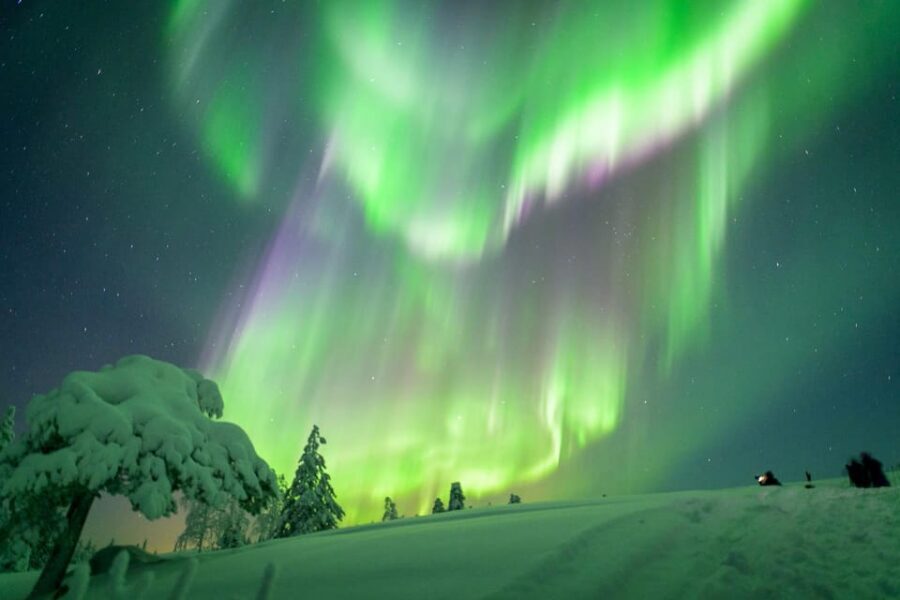
This is a 5-hour tour, run out of the Inari area (often associated with the Saariselkä region too). It starts late—typically 8 PM in November through March, and 9 PM or even 10 PM in April—with pickup starting about an hour earlier from your hotel. That timing is not random. You’re meant to reach the viewing area during the darker hours when aurora activity is more likely to show.
Expect the night to feel split into phases. You’ll move from pickup to briefing, then into driving instruction and time on the route. After that comes the fire-lit stop with food and warm drinks, then more darkness and sky watching before the return.
A small practical note: the start can feel busy if you’re in a larger group. One recent experience included a slightly messy opening, though the guiding itself was praised heavily. So be ready to be patient at the beginning, then expect things to click once you’re kitted up and briefed.
A few more Saariselka tours and experiences worth a look
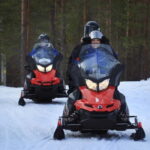
Snowmobile Briefing and Special Tracks: Learning Fast in Real Conditions
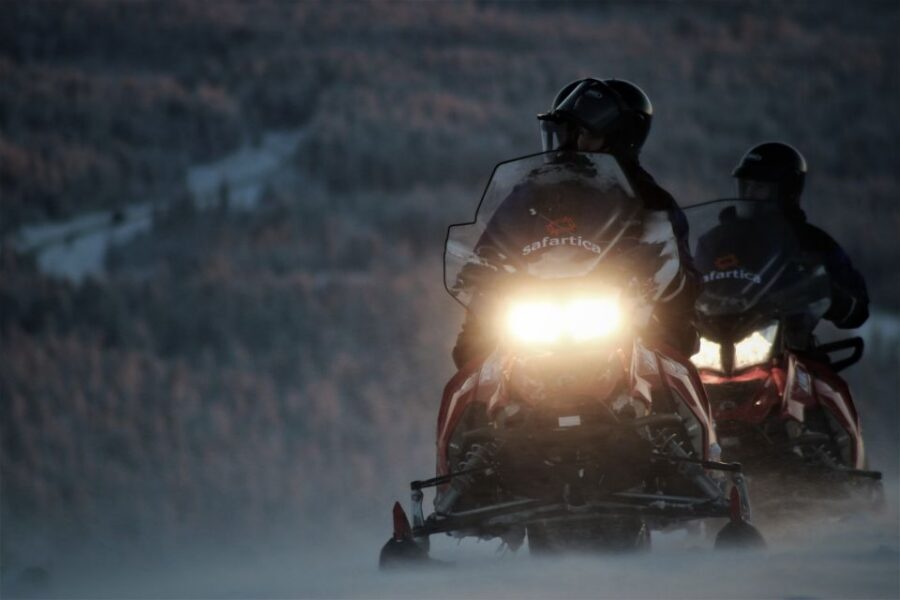
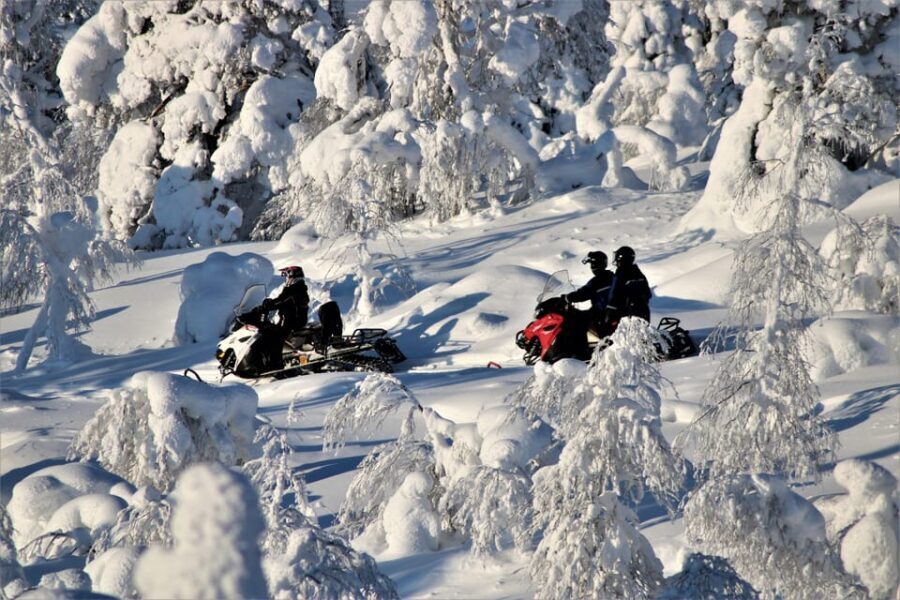
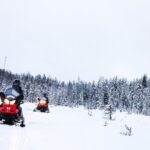
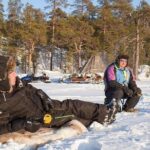
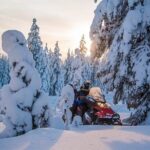
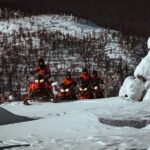
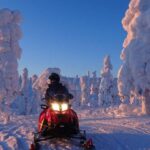
The snowmobile ride is the core thrill here, and you’ll do it in a controlled way. You don’t just jump on and go; you get a briefing and then ride on special tracks designed for this safari. That matters because driving in darkness with snow feedback is a different skill set than a daytime trail.
If you want to drive, you need a valid driver’s license that allows you to operate a snowmobile. Passengers don’t need a license. You can also add solo driving for an extra cost, which is useful if you want more control over your pace and route handling.
One thing I like about how guides handle the learning curve is that they’re attentive to cold-weather setup and control confidence. In multiple accounts, guides checked clothing layers and took time to explain safety. Some guides also did short practice laps before pushing further out, which is a smart way to let you get your bearings fast.
You’ll feel the silence that only winter nights create: no town noise, just the engine, the snow texture underfoot, and a lot of stillness around you. That quiet is part of the magic—and it also makes it easier to hear instructions.
The Tepee Hut Stop: BBQ Warmth Keeps the Aurora Hunt Going
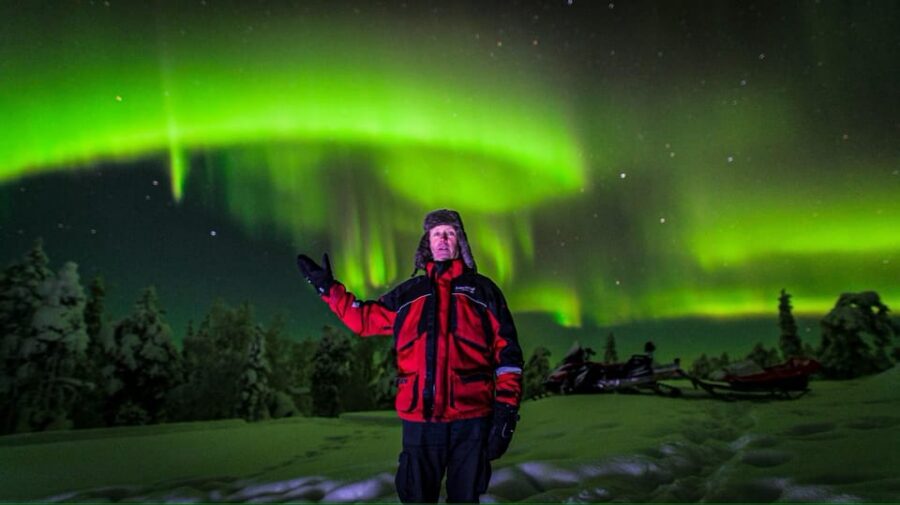
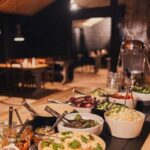
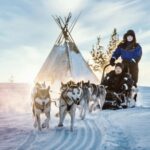
Between the driving and the sky watching, you’ll warm up at a tepee or hut with a fire going. This is not a quick break. It’s your reset point in the middle of the forest, where you get warm beverages plus snacks, including a BBQ-style meal experience such as sausages.
The fire stop is also practical. When you’re outside in cold air, your hands and feet pay the price first. Warm drinks and food help your body hold heat a lot better than people expect, and they give you time to check your camera setup before the lights come.
In the best moments, people even described roasting sausages at the camp, then heading back out and seeing aurora show up during the return drive. That’s a key benefit of this format: you’re not only waiting at the camp. You’re moving through the dark with chances to spot the lights, then you’re rewarded again on the way back.
Seeing the Northern Lights Under a Polar Star Guide
Once you’re in the dark-sky area, the guide’s job shifts from driving instruction to sky reading. You’ll listen to stories about local life and nature while you watch the flames. It turns the wait into something active, not passive.
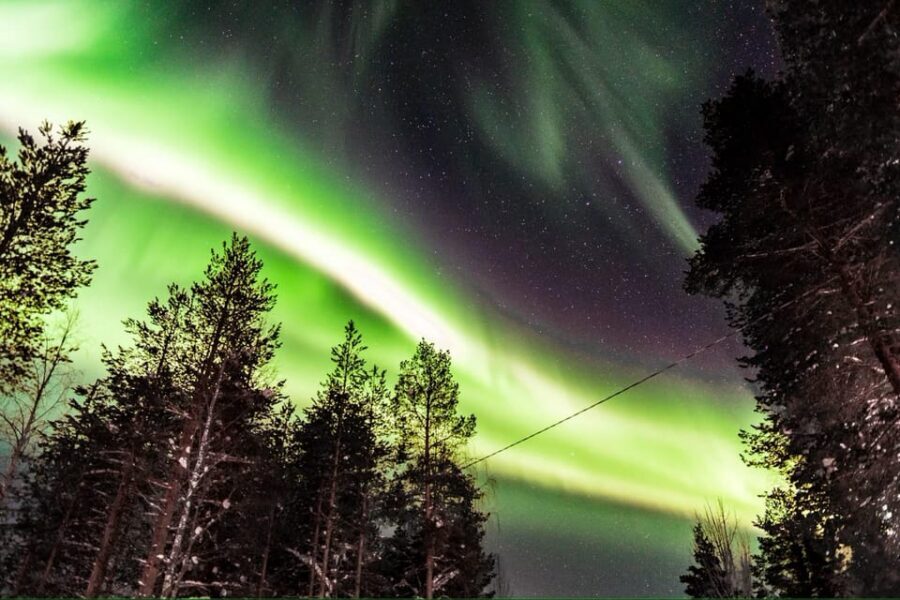
This is also where the tour’s planning shows. The best viewing window is described as around 11–12 PM, and the route and stops are set up to give you an open northern view. The guide will point out star references like the Polar Star, which helps you aim your attention even when the sky looks empty at first.
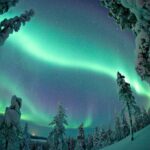
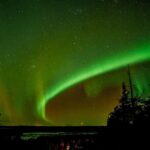
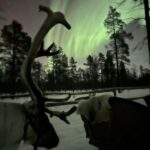
When the aurora appears, it can be a slow reveal or a sudden jump in brightness. One guest described lights that showed during the return drive and even looked like they were dancing overhead. Another mentioned a strong red aurora visible over the forest. In other cases, people didn’t get a big display on that night, but still valued being out of town with a clear view of the stars.
Reality check: aurora viewing depends on cloud cover, darkness, and aurora strength (KP levels vary). This tour improves your odds by getting you to a good place at the right time, but it still can’t control the sky.
What Cold Feels Like at -20°C (and How the Gear Helps)
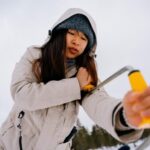
This safari is for people who can handle real winter weather. The company provides all equipment and winter clothes, plus boots. You’re also told to bring your own basics: comfortable shoes, a hat, water, a waterproof camera, and gloves.
Even with provided gear, expect cold to bite. One review checked around -20°C. Others mentioned extreme cold like -15°F. That’s not meant to scare you; it’s meant to help you pack and dress seriously.
A good way to think about it: you’re layering for comfort, but you’re also layering for function. If your hands aren’t warm enough, you won’t want to take photos or adjust settings. If your hat slips, you lose heat fast around your head. The tour is designed to keep you going, but you still need to show up ready.
Also note the safety angle. Snowmobiling is a high-risk activity, so it’s not recommended for elderly people or small children. The tour’s own alternative is an aurora car trip for those who can’t handle the snowmobile format.
Price and Value: Is About $199 Fair for This 5-Hour Night?
At $199 per person, the value comes from what’s bundled. You’re not just paying for a ride. You get:
- hotel transfers
- winter clothes, boots, and equipment
- a guided briefing
- the snowmobile ride itself
- warm beverages and snacks
- an English-speaking guide who also helps with safety and aurora timing
On a night like this, the biggest hidden cost for DIY is gear plus transportation plus finding a dark-sky spot. Here, those pieces are built in. You’re essentially buying a coordinated package: trained driving, guided aurora hunting, and food warmth in the middle of the forest.
Is $199 cheap? Not really. But it’s also not inflated for a guided night with equipment, transport, and a real attempt to get you under a dark northern sky. If you hate long waiting and you want hands-on adventure, this is one of the more “active” aurora options.
Who This Snowmobile Northern Lights Safari Fits Best
This is best for people who want two experiences in one night: driving fun plus aurora hunting. You should be comfortable being outside after dark and you should be able to follow safety instructions.
You’ll likely enjoy it most if you:
- like thrill rides and don’t mind cold exposure
- want a guide who actively helps with the hunt, not just points you at a view
- want star references and local stories alongside the photos
You should skip it if you:
- can’t manage high-cold outdoor time (even with gear)
- need wheelchair access (this tour isn’t suitable for wheelchair users)
- are over the age limit noted for the activity (not suitable for people over 95 years)
- are traveling with very young kids who can’t handle the safety and winter conditions
Small Details That Actually Matter on the Ground
A few practical things from the ride itself:
- Smoking isn’t allowed, and alcohol and drugs aren’t allowed. Don’t plan on bringing anything like that into the vehicle.
- Pets aren’t allowed.
- Your camera matters. A waterproof camera is recommended because you’re out in snow and cold air.
- Bring water. It’s easy to forget when you’re focused on the sky, but cold air can dry you out.
Also, plan to take time dressing. Don’t wait until the last second. Cold weather punishes rushed clothing choices.
One more helpful mindset: even when aurora activity doesn’t cooperate, the trip can still be worth it because you’re in the dark, moving through the snow, and spending time at a real fire-lit camp. Some nights include aurora on the way back; other nights do not. Either way, the snowmobile adventure is the foundation.
Should You Book This Inari Northern Lights Hunt by Snowmobile?
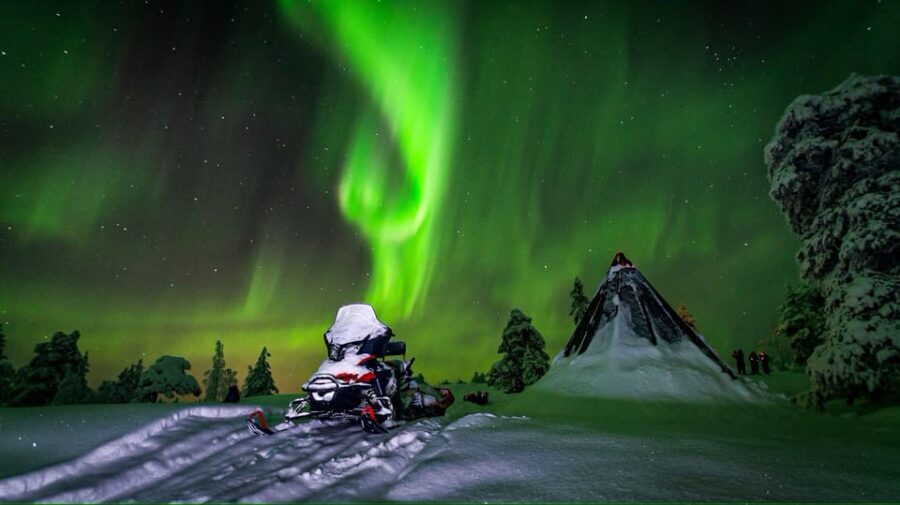
I think you should book this if you want an aurora hunt that’s built around action: learning to drive, riding into deep darkness, and warming up at a tepee with a real meal. The guide experience seems to be a standout strength, with many people praising how guides handle safety, warmth, and even photo help. If you’re the type who wants to maximize your chances, the no-light setup and timing strategy are exactly what you look for.
Skip it if you’re very cold-sensitive or if snowmobiling doesn’t match your comfort level. The weather is part of the experience, and aurora results are never fully controllable. In that case, a lower-intensity aurora car option may suit you better.
If you go in prepared for cold, follow the instructions, and accept that the sky is unpredictable, this tour has a strong shot at being one of your Lapland highlights.
FAQ
How long is the Inari Northern Lights Snowmobile Safari?
The tour lasts 5 hours.
What time does the safari start?
It usually starts at 8 PM in November through March. In April, it starts at 9 PM or even 10 PM. Hotel pickups begin about 1 hour earlier, with specific pickup times confirmed for each hotel.
Do I need a driver’s license to ride the snowmobile?
Yes. A valid driver’s license is required to operate the snowmobile. Passengers do not need a driver’s license.
Is solo driving available?
Yes. Solo driving is available for an additional price.
Is the Northern Lights guaranteed?
No. The tour notes that auroras are visible in about 90% of clear sky evenings, but sightings depend on the conditions during your specific night.
What’s included in the price?
Included are hotel transfers, winter clothes and equipment, boots, warm beverages and snacks, the snowmobile ride, a briefing, and an English-speaking guide.
Can I cancel?
Yes. There is free cancellation up to 24 hours in advance for a full refund.