REVIEW · LEVI SIRKKA
Levi: Arctic Ice Floating Adventure
Book on GetYourGuide →Operated by Safartica · Bookable on GetYourGuide
Ice floating in Levi is different. It is quiet, slow, and oddly freeing. With protective suits, a guide, and hot drinks by an open fire, you get to relax in Arctic nature without the usual stress of cold-water survival.
I especially love how the experience is designed around comfort first. The suit keeps you warm and on the surface, and the team gives clear instruction before you even step in. I also like the small, cozy touches, like coffee or tea warmed over fire, plus an easygoing vibe that feels more like guided downtime than an adrenaline activity.
One consideration: the actual floating may be only part of your time. Plan for a 45-minute one-way transfer from Levi to the water venue, and expect your hands to get chilly if you rely on thick gloves that don’t work well with the suit.
In This Review
- Key highlights worth knowing
- What Arctic Ice Floating Feels Like (Quiet “Wow” in Levi)
- Thermal suit setup: how you stay warm, dry, and afloat
- Hot coffee and tea by fire: small comfort that matters
- The flow of your 3 hours: meeting, transfer, and time on ice
- Getting in and floating without fear: what the guide actually does
- Photos and that extra human touch after you float
- Price and value: is $147 a fair deal?
- Who should book this (and who should skip it)
- Practical tips that make or break comfort
- Should you book Levi Arctic Ice Floating?
- FAQ
- How long is the Levi Arctic Ice Floating Adventure?
- Where do I meet for the tour?
- Is pickup included, and how far do you travel?
- How long is the transfer from Levi to the floating venue?
- What is included in the price?
- Is food included?
- Do I need swimming skills?
- What are the height requirements?
Key highlights worth knowing
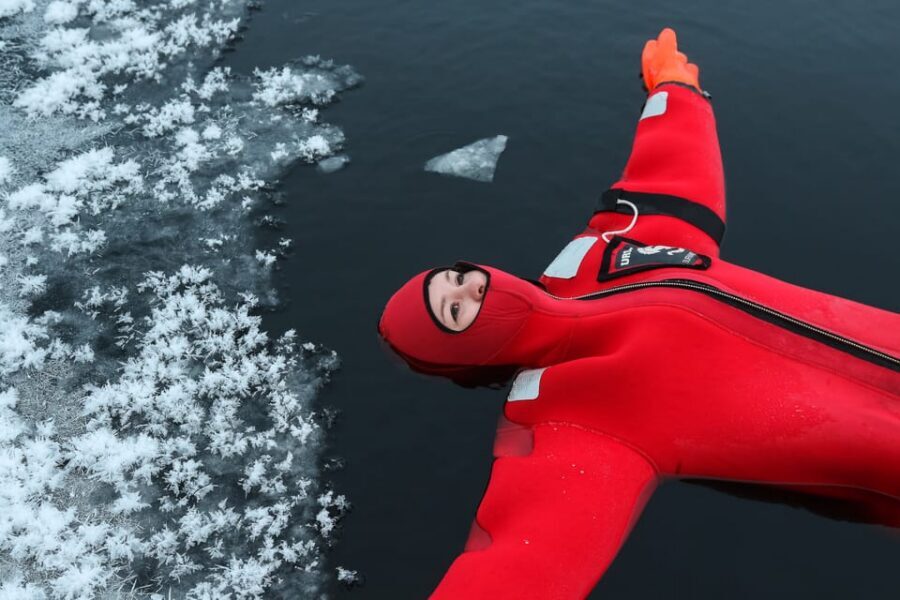
- Warm, waterproof thermal suits that help you float without swimming skills
- Hot coffee or tea by an open fire, timed right for when you feel the cold
- Calm, silent Arctic surroundings where you can actually slow down
- English-speaking guide support, with help getting in and staying comfortable
- Guides who take extra moments, including photos and a sweet treat afterward
What Arctic Ice Floating Feels Like (Quiet “Wow” in Levi)
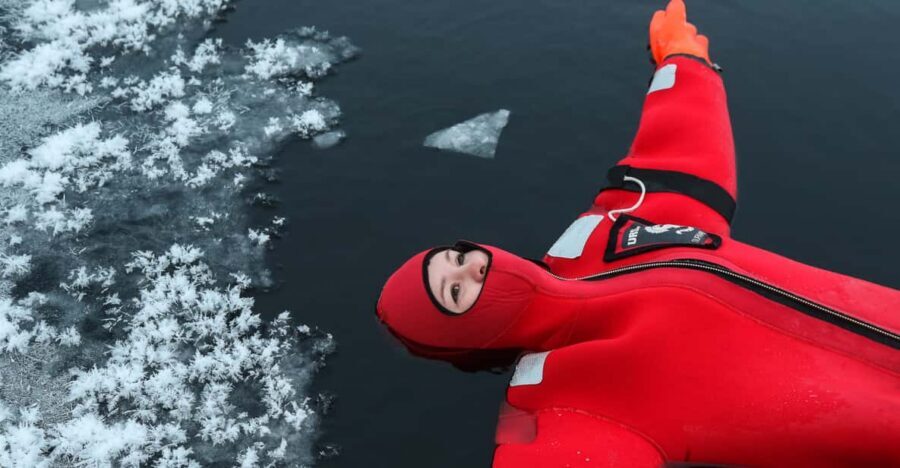
In winter, Levi can feel like a place built for big experiences: lights, rides, huskies, snow. This one is the opposite. The point is not speed or spectacle. The point is stillness. You step into winter and then let it do what it does best: shut off your brain.
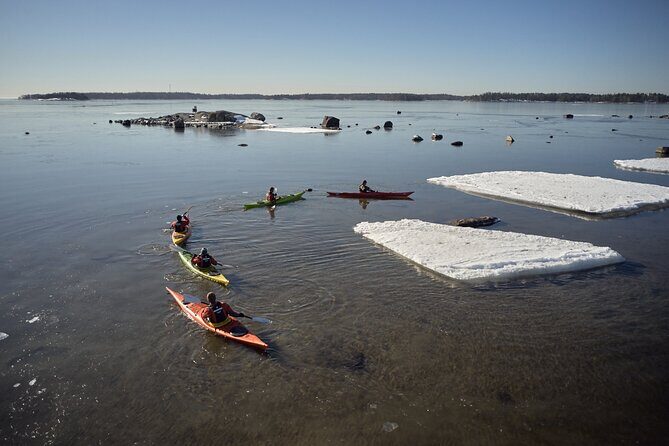
The whole experience centers on floating over Arctic water with ice around you, surrounded by winter forest and open cold air. The sensation is more “drift and breathe” than “swim and perform.” If you like nature that is quiet enough to hear your own thoughts, this is a great match.
And yes, the silence is real. When the guide has you settle and you realize you’re just there, suspended and calm, the stress you carried into Lapland starts to loosen its grip.
You can also read our reviews of more tours and experiences in Levi Sirkka.


Thermal suit setup: how you stay warm, dry, and afloat
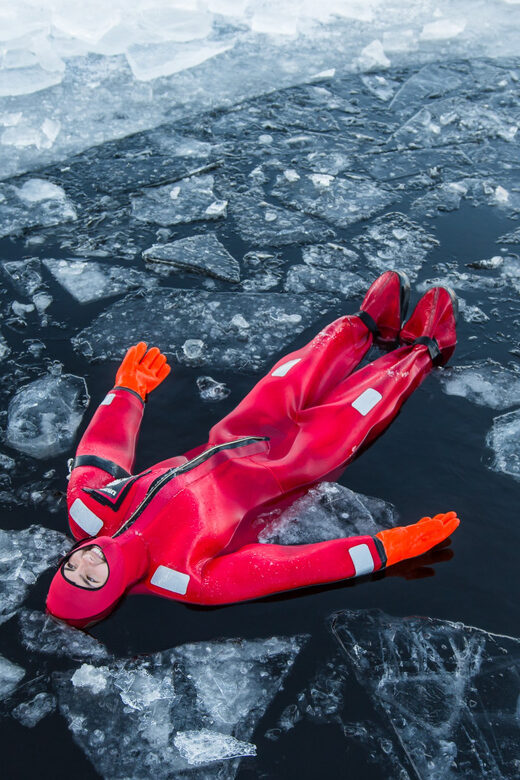
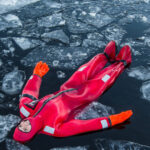
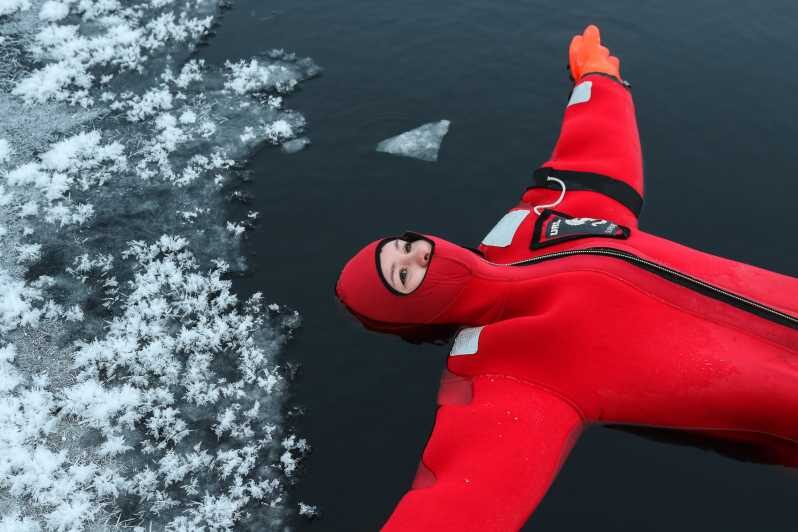
The thermal suit is the star of this show. You get the winter clothing provided, and then you’re put into a specially designed Arctic water suit. It is built to keep you warm and to help you stay on top, which matters because you do not need swimming skills to do this comfortably.
Before you enter the water, the guide gives instruction. You’ll learn how to step in safely, how to position yourself, and what to do if you feel a little nervous. That “what happens next” clarity is a big deal, especially if you’re doing something unfamiliar in freezing conditions.
A key detail I’d plan for: your comfort depends on your hands. One traveler notes that thin gloves work better than thick ski gloves, because thick ones may not fit correctly in the dry suit. If you tend to lose feeling in your fingers fast, bring a plan for hand warmth (like hand warmers), since hands are usually the first thing to complain in cold weather.
Also, don’t worry about getting wet in the messy way you might fear. The suit is described as waterproof, and the whole structure of the activity assumes you’ll be in the water and return dry enough to keep enjoying the rest of your day.
Hot coffee and tea by fire: small comfort that matters
A lot of winter tours offer drinks. This one has a particular advantage: your hot drink connects to the moment you need it.
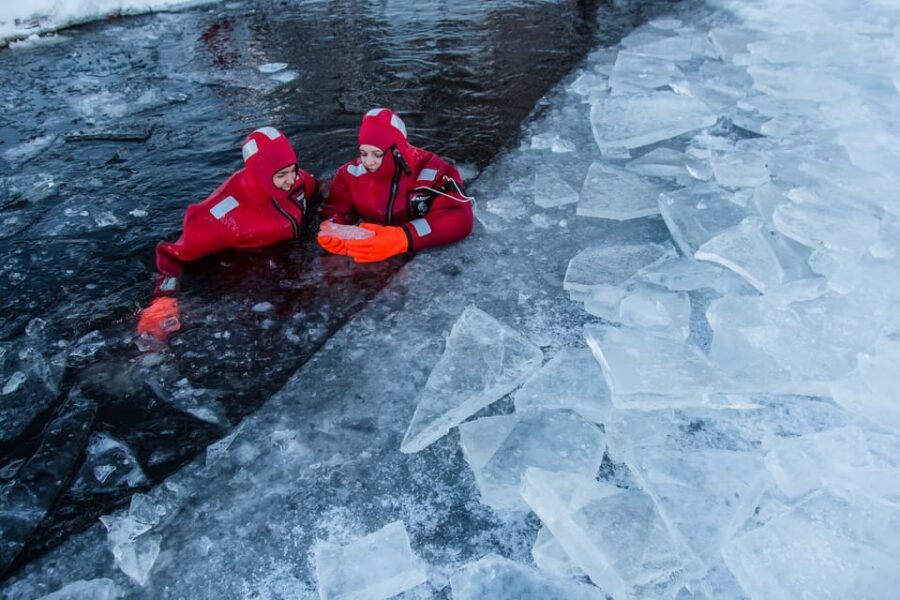
You sip coffee or tea warmed over an open fire while you’re out in the cold. That does two things. First, it gives you a reliable warmth boost right when you’d otherwise start bracing for discomfort. Second, it makes the experience feel human and unhurried, not like a checklist.
This is also where the atmosphere shifts from “activity” to “break.” Being in a protective suit and floating calmly is already relaxing. Then you add warmth from fire and a drink in your hand, and the whole setting feels cozy even though you’re surrounded by Arctic winter.
If you like little afterthought details—like sweet treats served afterward—this tour also has that covered. One review mentions marshmallows and cookies, which pairs nicely with the idea that you’re not just surviving the cold. You’re enjoying it.
The flow of your 3 hours: meeting, transfer, and time on ice
The schedule is built around a real-world truth: most of the action is not right inside the Levi town center. You’ll meet at the Safartica office in Levi, about 10 minutes before your activity time.
Then comes the part that helps you plan your expectations: the transfer to the floating venue is around 45 minutes one-way. That means the day is not just three hours of water. The total experience time includes getting there, getting suited up, and returning.
Here’s how I’d think about it. The “floating” moment is the payoff, but the lead-up is part of the calm. You’ll travel as a group, arrive at the venue, get instruction, and then settle into the water. When you finally start drifting, you can feel how the cold and silence were building toward this slow, soothing segment.
Also note the experience requires at least two adults for it to run. If you’re traveling solo, it’s worth checking your dates early so you don’t end up with a cancelled slot close to departure.
Getting in and floating without fear: what the guide actually does
If you’ve ever been nervous about winter water activities, you’ll appreciate how this one handles nerves directly. The guide provides instruction before stepping into the water. You do not need to swim, and the suit supports your position in the water.
That reduces a lot of the mental load. You can focus on breathing, staying relaxed, and letting the environment do its job. The guide’s role is to keep the process simple and safe so you can enjoy what you came for.
In at least one group I read about, the guide is named Mattais, and the experience is described as calmer and better because of his approach. That lines up with what you should look for in this kind of activity: someone who keeps instructions clear, stays attentive, and doesn’t rush you.
The guide at the premises is also described as especially supportive during the water time, with help for getting settled. That’s useful because the first moments are where people often worry most. Once you’re actually floating, it’s usually a “wait, this is easy” realization.




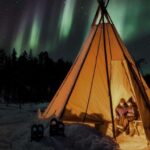
Photos and that extra human touch after you float
Some tours give you a quick snap and move on. This experience has a more personal rhythm, at least based on what I saw in the feedback you shared.
One traveler notes the guides organized a little photoshoot, which is a nice touch if you want proof without having to manage your own timing in gloves and cold air. Another mentions treats afterward—marshmallows, cookies, and hot drinks—so the ending feels like a friendly warm-down.
Even if you don’t care about photos much, this matters. It tells you the team is present and engaged, not just “doing the activity and leaving.” That kind of attention makes a cold-weather experience feel safer and more enjoyable.
Price and value: is $147 a fair deal?
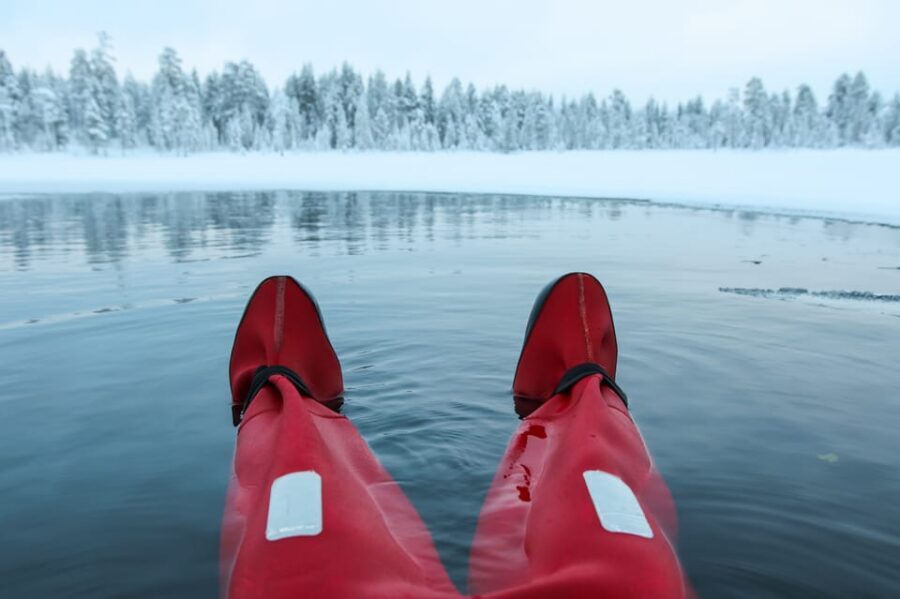
For $147 per person, you’re paying for more than “a dip in cold water.” You’re paying for the infrastructure and expertise that makes it comfortable: protective suits, winter clothing, an English-speaking guide, hot drinks, and staff support throughout.
Food is not included, so you’ll want to plan a meal separately. But compared to many winter activities where you have to buy almost everything else onsite, this includes the essential comfort equipment and the warm drink ritual. That’s real value in Lapland weather.
Also, consider what you’re buying. You’re not just seeing a winter scene from dry land. You’re experiencing it from a unique perspective—floating peacefully in Arctic surroundings while being supported by a suit designed for the task. That kind of “once-in-a-while” nature experience is hard to replicate on your own.
If you hate paying extra for guide-led structure, this might not be your favorite style. But if you want a guided, comfortable version of something genuinely unusual, $147 feels reasonable.
Who should book this (and who should skip it)
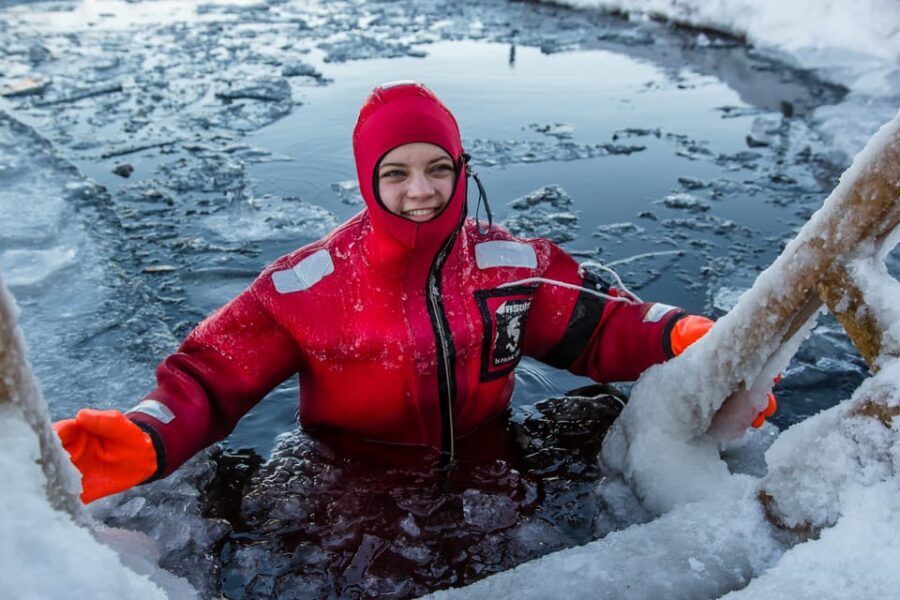
This activity is a great fit if you want calm, nature-focused time and don’t want to fight the cold. If you’re traveling as a couple, as a family, or with friends who enjoy relaxing, it’s a strong choice.
One review specifically mentions an 8-year-old joining, who was nervous at first but supported by the guides and ended up loving it. That suggests the instruction and support can work well for kids when they’re accompanied by adults and guided carefully.
The big eligibility limits are physical:
- Minimum height is 120 cm (people under 3 ft 9 in cannot participate).
- The activity also needs at least two adults to run.
If you have mobility issues, you should think through whether you’ll be able to get into the suit and step into the water comfortably. The suit helps with floating, but it doesn’t remove the basic physical routine of getting ready and entering the water.
Practical tips that make or break comfort
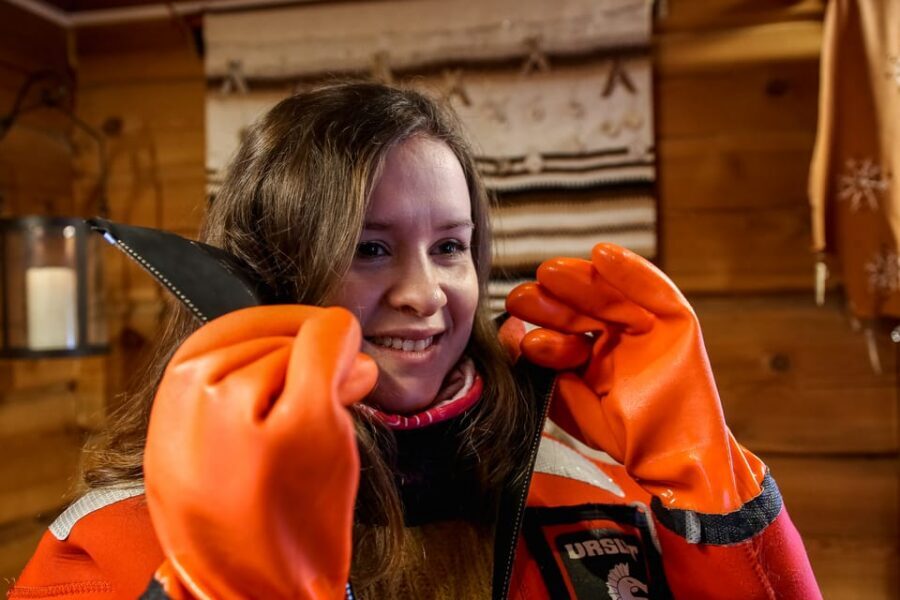
You’ll enjoy this more if you treat comfort planning like part of the experience, not an afterthought.
Bring thin gloves that fit well inside the dry suit area. One traveler calls this out directly: thick ski gloves might not work with the suit. If your hands get cold easily, add hand warmers for extra insurance.
Dress for the cold before suit time. Since winter clothing is provided, your biggest job is making sure you’re comfortable when you’re between suit and water. Once suited up, the suit does the heavy lifting.
Mentally, decide ahead of time what “relaxing” means for you. This is not a thrill ride. It’s peaceful drifting and quiet breathing. If you expect action, you may feel bored. If you came for calm Arctic nature, you’ll feel it.
Finally, give yourself room for the transfer. A 45-minute one-way ride is part of the deal. If you’re trying to cram this between other tight activities, you may feel rushed.
Should you book Levi Arctic Ice Floating?
Book it if you want a rare kind of winter experience: supported floating, quiet Arctic nature, and warm drinks without the usual cold-water drama. It’s also a strong choice if you appreciate thoughtful guides who make the experience feel safe and friendly, like the support described by Mattais and the team on site.
Skip it if you’re looking for a physically active tour, if your travel style doesn’t include transfer time, or if you don’t meet the 120 cm minimum height. Also, if you hate close-contact guided instruction in cold conditions, this might be stressful despite the suit’s comfort.
If you’re on the fence, think of it this way: for $147, you’re buying warmth gear, guidance, and a peaceful Arctic perspective that’s hard to copy. For many people, that “slow wow” feeling is the whole point of Levi in winter.
FAQ
How long is the Levi Arctic Ice Floating Adventure?
The experience lasts about 3 hours.
Where do I meet for the tour?
You meet at the Safartica office in Levi, about 10 minutes before the activity starts.
Is pickup included, and how far do you travel?
Pickup is included within a 10 km radius, but you need to contact the provider at least 48 hours in advance if you want pickup.
How long is the transfer from Levi to the floating venue?
Transfer time from Levi to the floating venue is about 45 minutes one-way.
What is included in the price?
Included: winter clothing, ice floating with an English-speaking guide, and hot drinks.
Is food included?
No, food is not included.
Do I need swimming skills?
No. You’ll get instruction before stepping into the water, and swimming skills are not required because the suit helps you stay on the surface.
What are the height requirements?
You must be at least 120 cm tall to float.
If you want, tell me your travel dates and whether you’re staying in central Levi or outside town, and I’ll help you plan how to fit the transfer time into your day.