REVIEW · YLLAS
Ylläs: Forest Hike with Snowshoes
Book on GetYourGuide →Operated by Safartica · Bookable on GetYourGuide
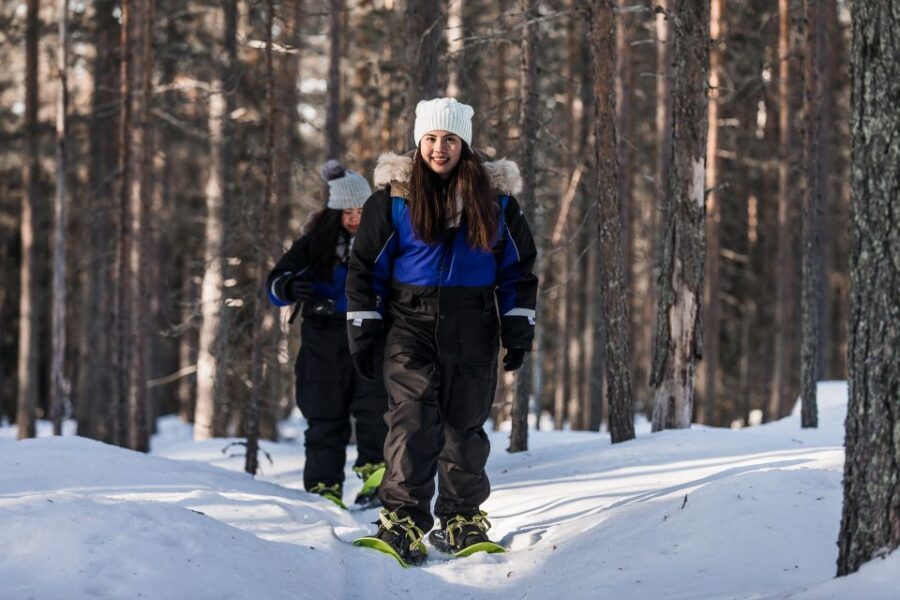
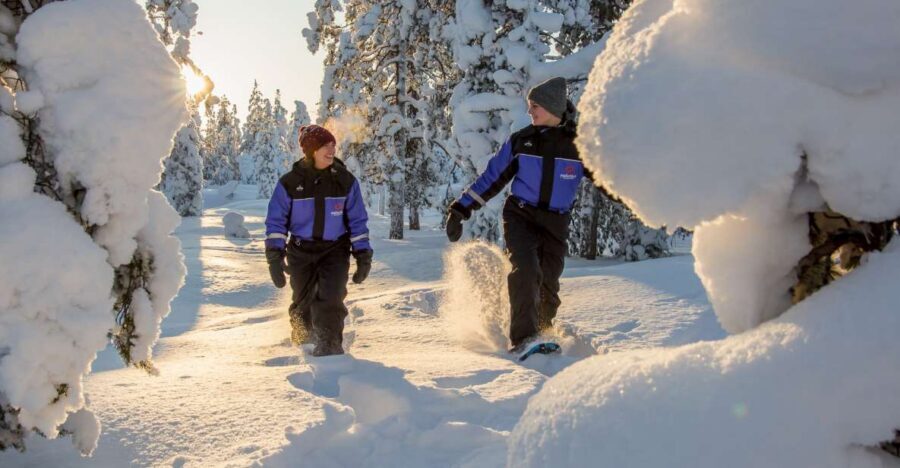
One walk in Ylläs shows you Lapland up close. You’ll learn snowshoe technique, then glide from the village edge into the Boreal forest for an easy, scenic route that ends at a frozen marsh. It’s a simple plan, but it feels special because you’re outside right away, in daylight, moving at a human pace.
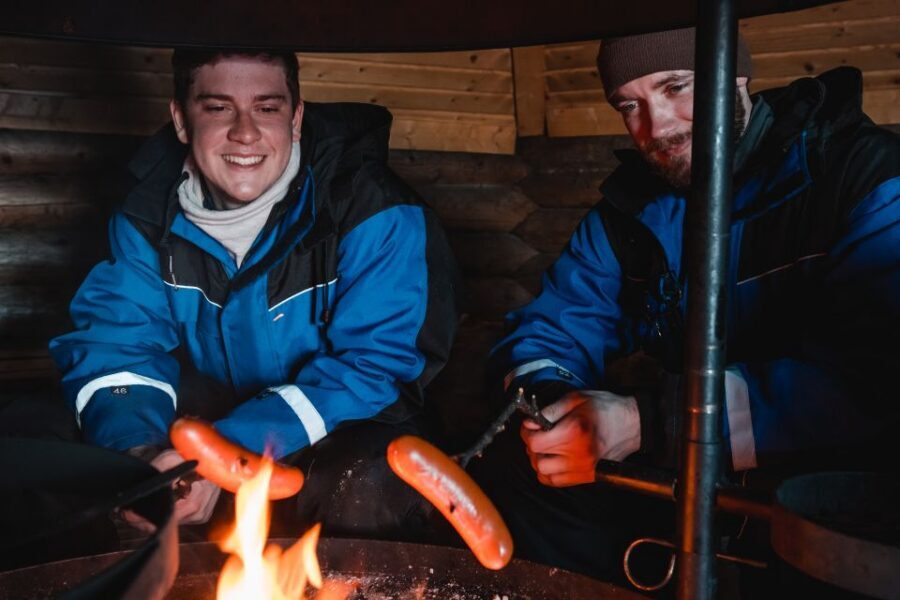
I like that this trip is built for first-timers: you get winter clothing and snowshoes, plus hands-on guidance on how to place your feet and stay steady. I also like the stop at the marsh—there’s a fire, and you get hot drinks and biscuits while the guide talks about animal tracks and what to look for in the snow.
One consideration: even though it’s set up as a small group, at least one recent departure ran much larger than expected (around 20 people). If you prefer quieter, tighter groups, you’ll want to pick your departure carefully.
In This Review
- Key takeaways before you go
- Why Ylläsjärvi’s snowshoe walk feels real, not staged
- How the 2.5 hours typically flow: village trail to frozen marsh
- Snowshoe basics you’ll actually use on uneven snow
- The frozen marsh stop: fire, warmth, and a better read on tracks
- Price and value in Ylläs: what $101 gets you
- What’s included: winter clothing, transfers, and meeting points
- Winter clothing included
- Transfers included, within a set radius
- Group size, pace, and who this tour fits best
- Best match
- Kids and walking distance
- Pace reality check
- Practical snowshoe tips so you feel confident
- Weather and daylight: what changes your experience
- Should you book this Ylläs snowshoe forest hike?
- FAQ
- Where does the snowshoe walk start?
- How long is the activity?
- How difficult is the trail?
- Are snowshoes included?
- What winter clothing is included?
- Is there a campfire stop?
- Is the guide English-speaking?
- Is pickup available?
- Can children join?
Key takeaways before you go
- First-timer friendly snowshoe instruction so you’re not guessing on day one
- Easy trail to frozen marshland with a clear, satisfying route length
- Campfire warmth with hot drinks and biscuits at the stop
- Animal tracks talk that helps you read what you see in the snow
- Optional deeper snow track-making if you want a bit more adventure
- Winter clothing included (so packing gets simpler)
Why Ylläsjärvi’s snowshoe walk feels real, not staged
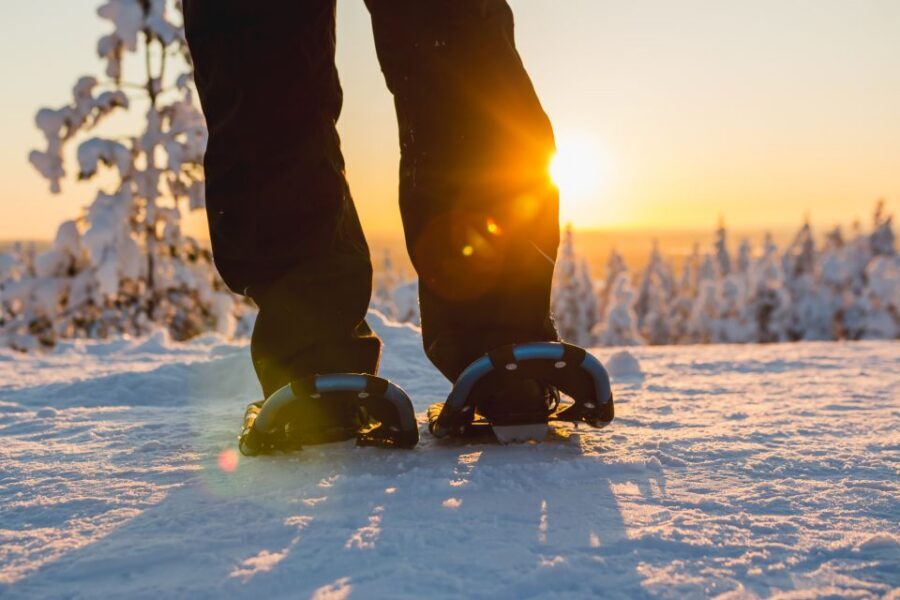
In Lapland, the best experiences are often the ones that keep things practical. This daylight snowshoe walk starts right from the traditional village of Ylläsjärvi, so you’re not waiting around for a half-day bus tour before you get outdoors. The focus stays on movement, learning, and the small details of winter ecology.
I also like that the goal isn’t speed or distance. You’re led along an easy trail toward the Boreal forest, then out to a frozen marshland—exactly the kind of place where snowshoes make sense and where winter behavior of animals becomes easier to notice. Even if you only remember one thing, it’s the feeling of walking on snow where you can hear the silence.
The trip’s value comes from the mix: gear + instruction + a fire stop. That’s a big deal in a place where winter can quickly turn uncomfortable if you’re underprepared. Instead of spending your energy fighting cold equipment or unclear directions, you spend it learning the basics and enjoying the moment.
You can also read our reviews of more tours and experiences in Yllas.
How the 2.5 hours typically flow: village trail to frozen marsh
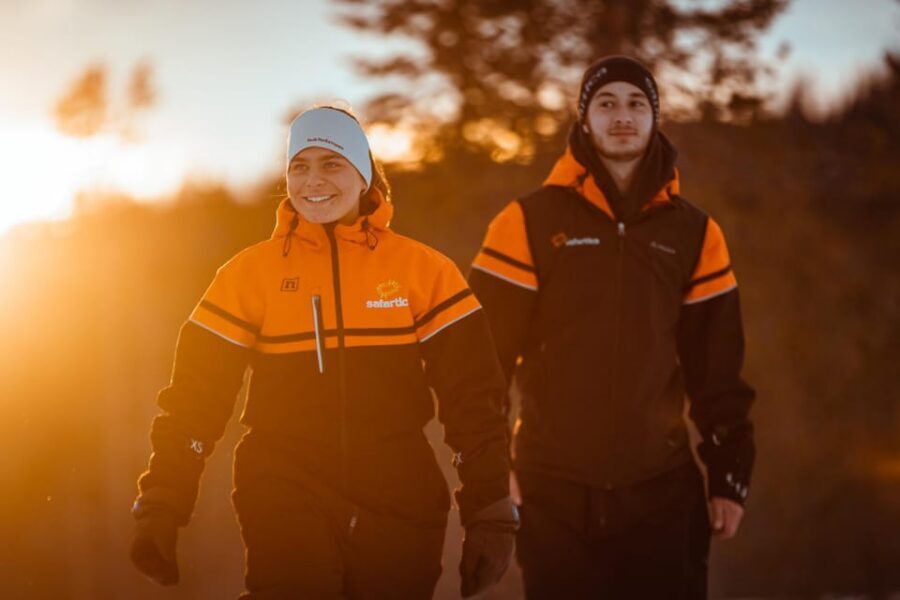
The plan is straightforward, which is good. You’ll start with the group meeting and getting clothed and ready before you head out—your meeting time and point are provided after confirmation. The tour duration is listed as 2.5 hours, with the actual snowshoe walking roughly 2–3 kilometers.
From the village, you head toward the Boreal forest on an easy route. The trail is designed so most people can keep moving without needing advanced fitness. You’ll then continue on toward a frozen marshland, where the scenery shifts. Marsh edges in winter tend to look open and flat compared with the forest floor, and that contrast helps you understand why animals use different areas at different times.
There’s also a little freedom built in. Adventurous walkers can make their own track in the deeper snow if conditions allow. That’s not mandatory, but it’s a nice option if you want more play while still staying on the theme of a guided hike.
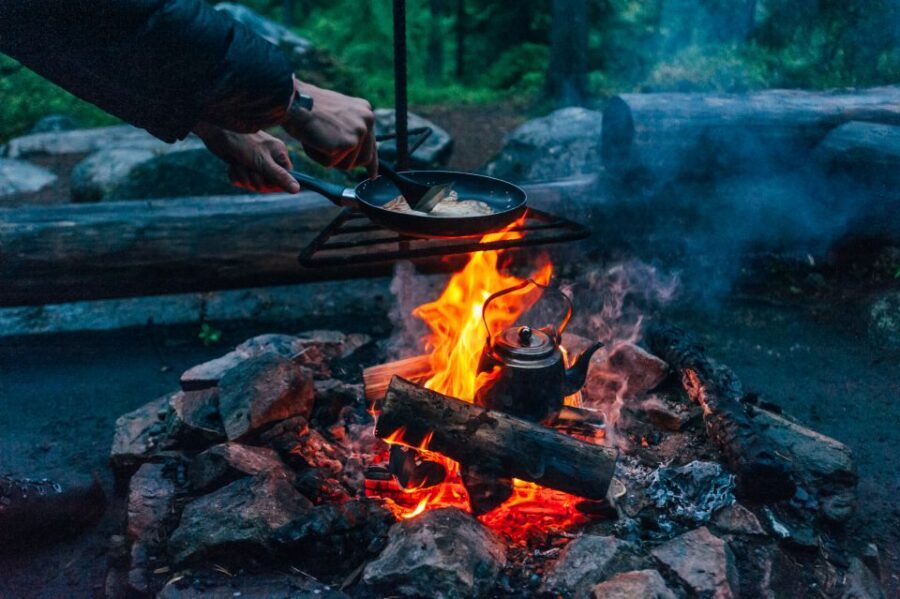
The stop at the marsh is where the tour really slows down. You’ll stop, make a fire, and enjoy hot drinks and biscuits. That break matters because it gives you a change of pace and a chance to focus on what the guide points out—especially animal tracks and how to interpret them.
Snowshoe basics you’ll actually use on uneven snow
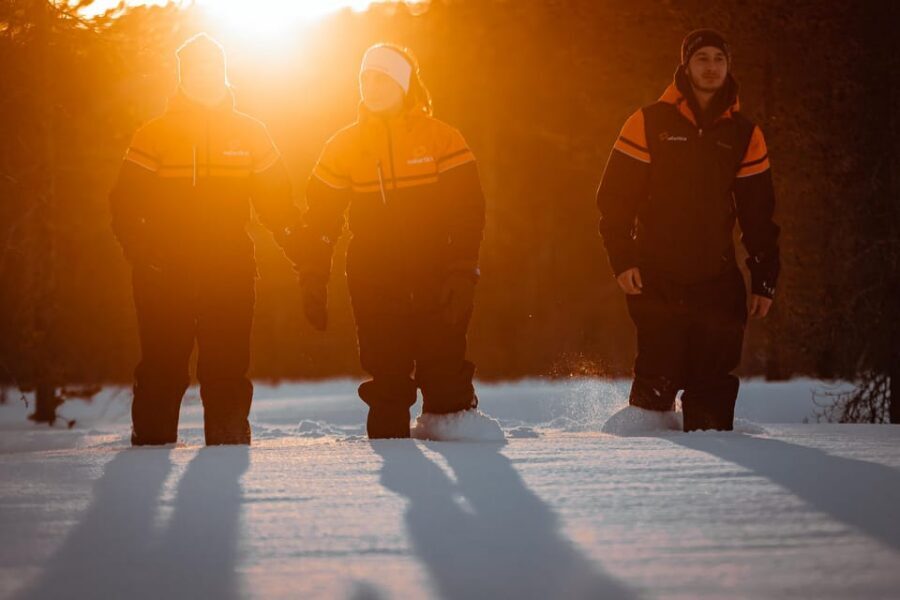
This is one of the biggest reasons to choose this kind of guided snowshoe walk. Snowshoes aren’t just extra equipment—they change how you walk. If you’ve never worn them, the first few minutes can feel awkward, especially when you’re stepping over ruts or trying to keep balance.
You’ll be taught how to walk with snowshoes before you go far. The guidance is designed for an easy learning curve, so you can keep the walk enjoyable rather than exhausting. Expect the guide to cover the basics of where to place your feet and how to move smoothly through snow.
This matters for two reasons. First, it reduces the chance of sore legs and tripping. Second, it helps you look up. When your body isn’t fighting the gear, you notice more—tracks, subtle terrain changes, and the way the forest holds winter light.
If you like extra hands-on learning, you’ll also appreciate that the guide talks about animal tracks during the walk and at the marsh stop. Snowshoeing makes tracks easier to spot because you’re moving quietly and slowly enough to see what’s there. The guide’s explanations help you connect what you’re seeing with animal behavior—at least enough to make your observations feel meaningful, not random.
In at least one English-guided departure, a guide named Rita led the walk and shared a lot of knowledge in a friendly way. If you’re lucky enough to get her (or a similarly teaching-focused guide), it adds an extra layer beyond just hiking.
The frozen marsh stop: fire, warmth, and a better read on tracks
The marshland stop is more than a snack break. It’s the moment where the walk turns into a winter nature lesson you can actually feel in your hands.
You’ll build around the fire and warm up with hot drinks, plus biscuits. That warmth is practical value in Lapland. Even on a short hike, wind and cold can creep in, and a hot drink can reset you fast—especially if you’ve been learning to walk in snowshoes.
At the same time, the marsh is a visual training ground. In many snowy environments, animals tend to use paths and edges where movement is easier or food is nearby. That means you’re more likely to find interesting track patterns when you’re away from the thickest forest undergrowth. The guide uses the stop to talk about what to look for and what different tracks might suggest.
One thing to keep in mind: you’ll likely spend some time stopped, looking and listening. If you get cold easily, don’t assume your winter clothing is just a formality—wear the provided layers correctly and keep gloves on. This is a fire-and-warm-drink moment, not a long sit in the snow.
Price and value in Ylläs: what $101 gets you
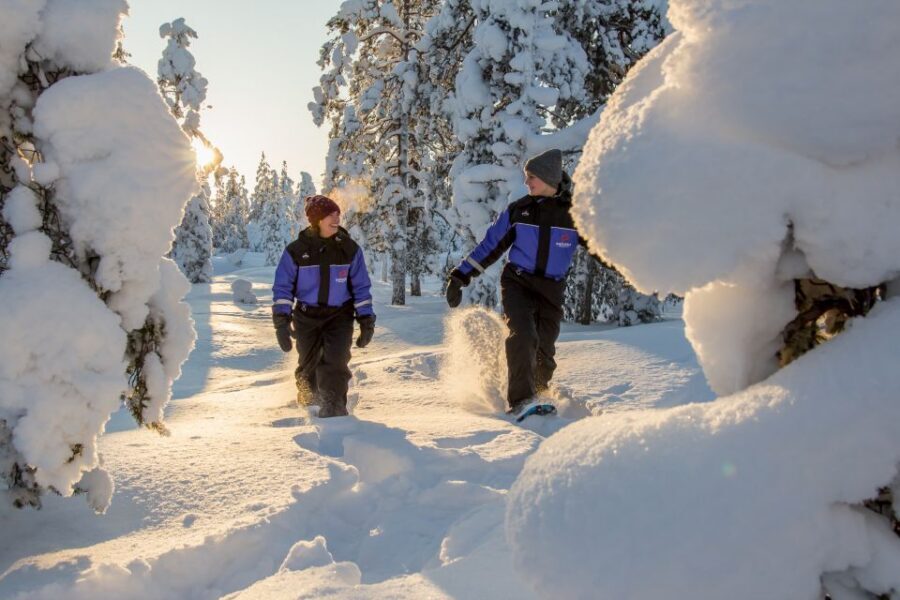
At about $101 per person for a 2.5-hour experience, the first question is whether it feels fair. In this case, the value is in what’s bundled.
You’re not just paying for a guide. The price includes transfers, winter clothing, snowshoes, hot drinks and biscuits, and English guiding. In Lapland, renting gear and then still needing thermal clothing can add up fast. Here, you arrive with the key winter items handled.
The walk length also helps justify the cost. Around 2–3 kilometers on snowshoes doesn’t sound long on a map, but it’s the right distance for learning how the gear works and for getting to the marsh stop without turning the outing into a full-day endurance event.
Now for the balance: group size. The activity is described as a small group limited to 10 participants, but one departure in a recent season ran with about 20 people. That doesn’t automatically ruin the tour—large groups can mean more freedom to explore within the route—but it can affect how much personal attention you get and how quickly stories are shared.
If you’re the type who values maximum guide interaction, try to choose a departure that clearly lists fewer participants. If you mainly want the outdoors, the snowshoes, and the campfire break, the experience still makes sense even with a bigger group.

What’s included: winter clothing, transfers, and meeting points
The included items are designed to solve the real problems: cold, gear, and logistics.
Winter clothing included
You’ll receive:
- thermal overall
- winter boots
- woollen socks
- woollen scarf
- beanie
- gloves
That’s a strong set of essentials. It also means you don’t have to play guess-the-thermals with your own packing. In winter, the biggest mistake is underestimating how much insulation you need, not overestimating.
Transfers included, within a set radius
Transfers are included for holiday accommodations in the Ylläs area within max 15 km from the safari house in Ylläsjärvi. This reduces the stress of showing up on a winter schedule with your own transport.
Just know you’ll be given your meeting time and point after confirmation. The safari starts when the group is clothed and ready to go. If you miss your meeting time and point, the result can be missing the safari with no refund. It’s not meant to be tricky—it’s just how small winter departures stay on schedule.
Group size, pace, and who this tour fits best
This outing fits best when you want an easy snow adventure with structure. The trail is described as easy, and the total walking distance is short enough for most people who can handle a winter hike.
Best match
- First-time snowshoers who want instruction
- Families looking for a manageable winter activity
- People who like guided nature learning without a long day outdoors
- Anyone who values the campfire stop and warm drinks
Kids and walking distance
Children are welcome, but parents should make sure their kids can walk the distance with snowshoes. If kids can’t manage, parents should carry them or turn back if possible. That’s a practical note that matters: snowshoes add weight and change footing, so small legs can tire faster.
Pace reality check
With a bigger-than-expected group, you might get fewer chances to ask questions. One guide may not wait for everyone to be fully together before starting to share stories, so some people could miss certain explanations. Still, the main experience—snowshoe walking, reaching the marsh, and the warm fire stop—should remain consistent.
If you’re sensitive to noise and group energy, pick a quieter departure when possible. If you’re easygoing and just want to get outside, a larger group can still work because you’ll have room to move along the route.
Practical snowshoe tips so you feel confident
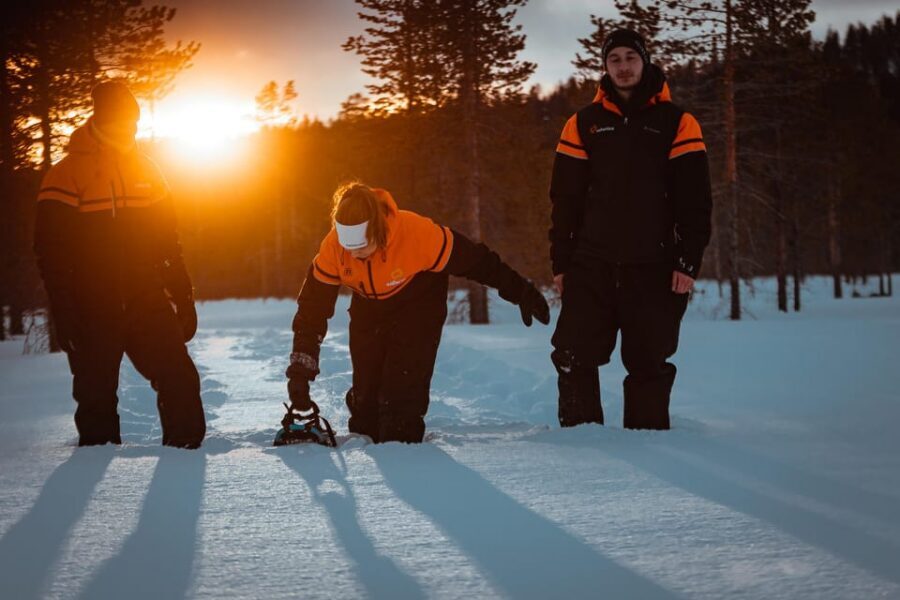
You’ll be taught snowshoe walking, but a few habits make everything smoother in winter.
1) Wear the provided layers correctly
Thermal overall plus wool socks plus boots are meant to work together. Don’t treat them like optional extras. If you feel cold, it’s usually because insulation isn’t snug or your hands and feet aren’t covered fully.
2) Keep steps calm and controlled
Snowshoes reward steady rhythm. If you stomp hard, you’ll waste energy and lose balance. Think smooth steps, not big strides.
3) Use the stop to reset your gear
At the marsh, fix scarf position, check glove coverage, and drink something warm. You’ll feel better on the return and you’ll stay focused during the track discussion.
4) Look where the guide tells you
Animal tracks are easy to overlook when you’re just walking. When you’re pointed to what to look for, you start noticing details—direction of movement, spacing, and which surfaces get used.
5) If you try deeper snow, do it briefly
You can make your own track in deep snow, but don’t turn it into a long detour unless you know you can handle it. The tour is designed around an easy trail plus a structured stop.
Weather and daylight: what changes your experience
The activity is described as a daylight snowshoe walk. That’s a win for most visitors, because daylight means better visibility for seeing tracks and reading snow patterns. It also makes photos and navigation easier for the guide and for you.
Still, Lapland winter weather can shift quickly. If it’s windy, the warm drink and fire stop become even more valuable. If visibility is low, track details may be harder to spot, but the guide’s explanations can carry you through.
The short route helps here. You’re not stuck for hours if conditions are uncomfortable. You’ll still get the core experience: snowshoe instruction, a scenic forest-to-marsh walk, and a warm break.
Should you book this Ylläs snowshoe forest hike?
If your goal is a short, well-supported Ylläs Lapland winter experience, I think this is a solid pick. The bundled value is real: transfers, snowshoes, winter clothing, and warm drinks are included, and the walk is short enough for most people to enjoy even if it’s their first time.
Book it if you want:
- snowshoe basics with real guidance
- a guided nature stop with animal tracks talk
- a warm campfire moment with drinks and biscuits
- an easy route in the Boreal forest near Ylläsjärvi
Skip it if you:
- hate group settings where attention might be stretched (especially if your departure ends up larger than 10)
- aren’t confident your child can manage snowshoes for the walking distance
- expect a long, intense trek—this is built as an easy, teach-and-enjoy outing
Overall: for most visitors, this is a practical way to experience Lapland’s winter outdoors without overcomplicating the day.
FAQ
Where does the snowshoe walk start?
It starts right from the traditional village of Ylläsjärvi. You’ll receive your exact meeting time and meeting point after confirmation.
How long is the activity?
The total duration is about 2.5 hours. The snowshoe walk itself is approximately 2–3 kilometers.
How difficult is the trail?
The route is described as an easy trail through the Boreal forest toward a frozen marshland, with the option for more adventurous track-making in deep snow.
Are snowshoes included?
Yes. Snowshoes are provided, along with the guided snowshoe walk.
What winter clothing is included?
Winter clothing is included and consists of a thermal overall, winter boots, woollen socks, a woollen scarf, a beanie, and gloves.
Is there a campfire stop?
Yes. At the frozen marshland, you’ll stop, make a fire, and enjoy hot drinks and biscuits.
Is the guide English-speaking?
Yes. Guiding is provided in English.
Is pickup available?
Transfers are included for holiday accommodations located in the Ylläs area within max 15 km of the safari house in Ylläsjärvi.
Can children join?
Children are welcome, but parents should ensure they can walk the mentioned distance with snowshoes. If they cannot, parents may need to carry them or turn back if possible.