REVIEW · LAPLAND
Explore Winter Woods: Snowshoe walk with local Biologist
Book on Viator →Operated by AT Nature · Bookable on Viator
Snowshoeing here comes with real naturalist talk. In Inari, Terhi and Arto turn a simple winter walk into animal-sign spotting and Arctic home hospitality in a small group. I like the way you get practical nature skills you can use later, and the way the walk ends with warm drinks and local snacks by the fire; one thing to plan for is that wildlife visibility depends on weather and trail conditions.
This is an AT Nature winter woods experience in Lapland, Finland. It runs about 2 hours 30 minutes, starts at 10:00 am, and ends back at Terstontie 123 in Inari. The group stays small, with a maximum of 6 travelers, and it’s offered in English with a mobile ticket.
If you want Lapland that goes beyond the usual photos, this is a strong pick. You’ll hear about plants, trees, vegetation, local wildlife, and even how bushcraft fits everyday Arctic life, all while staying active in the snow.
In This Review
- Key things to notice before you go
- Terhi and Arto: a nature lesson that feels like winter friendship
- Timing and meeting point in Inari (so you don’t lose daylight to logistics)
- What you do first: Arctic home intro and fitting for snowshoes
- The snowshoe trail: lakes, mires, and the signs that tell stories
- Bird-spotting along the way: Siberian Jay and Siberian Tit
- Possible wildlife moments: elk, mountain hare, and track-reading confidence
- The kota ending: open-fire hot drinks and local snacks
- Why this tour feels worth it (even if wildlife stays quiet)
- Who should book Winter Woods with a local biologist
- Practical considerations for winter comfort in Inari
- Should you book this snowshoe walk in Inari?
- FAQ
- Where does the Winter Woods snowshoe walk start and end?
- What time does the tour begin?
- How long is the experience?
- Is the tour offered in English?
- What group size should I expect?
- How much does it cost?
- Do I get a mobile ticket?
- What wildlife should I watch for during the walk?
- Is there food and a warm drink included?
- What happens if weather is poor?
- Is there a cancellation window for full refunds?
Key things to notice before you go
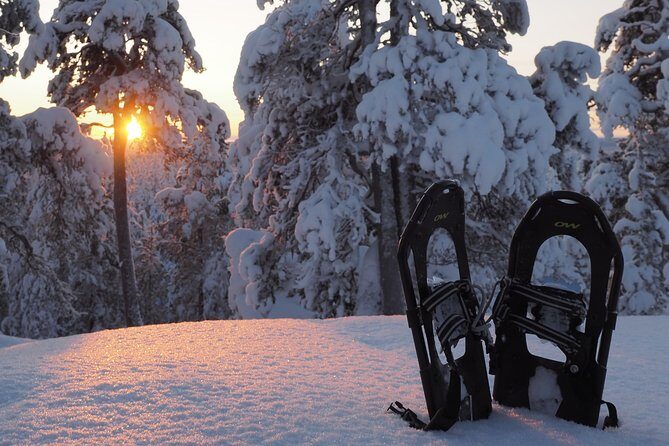
- Small group size (max 6) keeps the conversation going and makes track-spotting easier
- Biologist-led spotting focuses on what you can actually see: tracks, birds, and vegetation
- Ancient-forest route follows lakes and mystic mires, not just a straight trail
- Siberian birds are a focus (Siberian Jay and Siberian Tit), with seasonal chances for more
- Open-fire kota warm-up includes hot drinks and local snacks, plus a relaxed end-of-walk vibe
Terhi and Arto: a nature lesson that feels like winter friendship
This tour is built around two guides: Terhi (the naturalist side) and Arto (the welcoming host). The overall feel is calm and personal, and it helps that the group is capped at 6. You’re not shuffling past other parties or rushing through facts.
Terhi’s English is described as excellent, and that matters because the best part here is learning how to look. Instead of just hearing species names, you get cues for what to notice on the ground and in the trees.
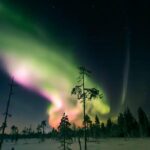
Arto is part of the experience too, from keeping the day running smoothly to sharing context during the drive back. One review even notes discussion about the northern lights as part of that return drive, which is a nice bonus if you’re planning your nights in Inari.
You can also read our reviews of more tours and experiences in Lapland.


Timing and meeting point in Inari (so you don’t lose daylight to logistics)
You meet at Terstontie 123, 99870 Inari, Finland, with a start time of 10:00 am. The activity ends back at the same meeting point, so you’re not guessing how you’ll get home afterward.
At $114.02 per person for an approximately 2.5-hour outing, it’s not a bargain-basement activity. But you’re paying for a small group, snowshoe guidance, and an intimate nature experience that ends with food and warmth. The day is designed to be self-contained, which helps a lot in winter when everything takes longer.
You’ll also get a mobile ticket, and confirmation is received at booking time. That keeps the pre-trip stress low.
What you do first: Arctic home intro and fitting for snowshoes
Before you head out into the woods, you start with an introduction to the guides’ home and Arctic lifestyle. The idea is simple: you’re not dropped into a random forest walk. You get context for why these landscapes matter and how bushcraft skills show up in everyday life.
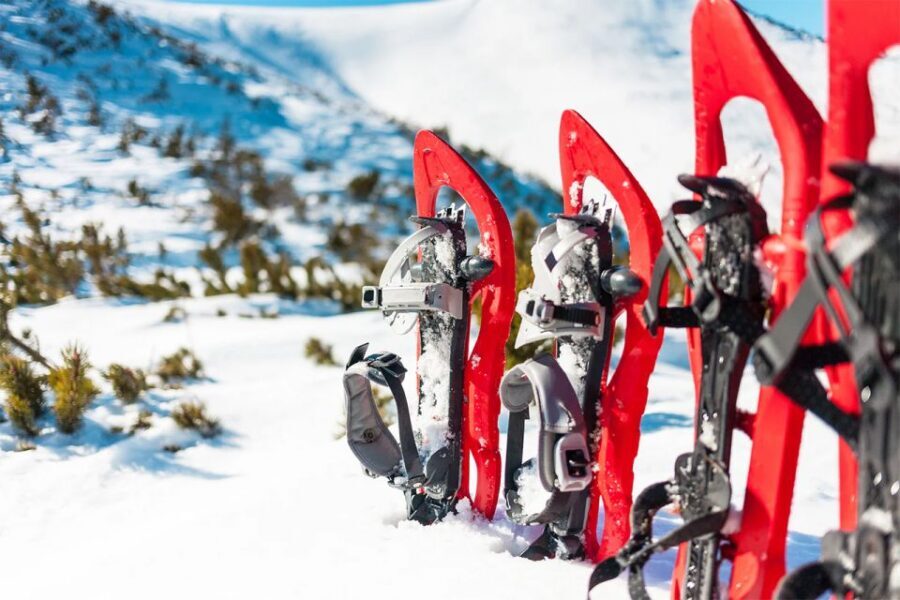
The practical gear part is handled for you. In the reviews, people specifically mention Terhi fitting snowshoes and boots well. That’s a big deal in snowy conditions. If your bindings are off, the day gets tiring fast and you lose the joy of moving through the snow.
Once you’re geared up and oriented, you head into the ancient forest area along lakes and through misty, boggy-feeling terrain. Even when the snow is deep and visibility is limited, the activity still works because the guides teach you what to look for.
The snowshoe trail: lakes, mires, and the signs that tell stories
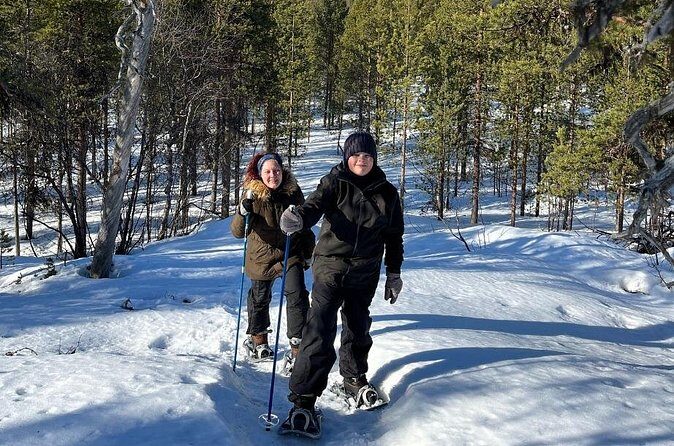
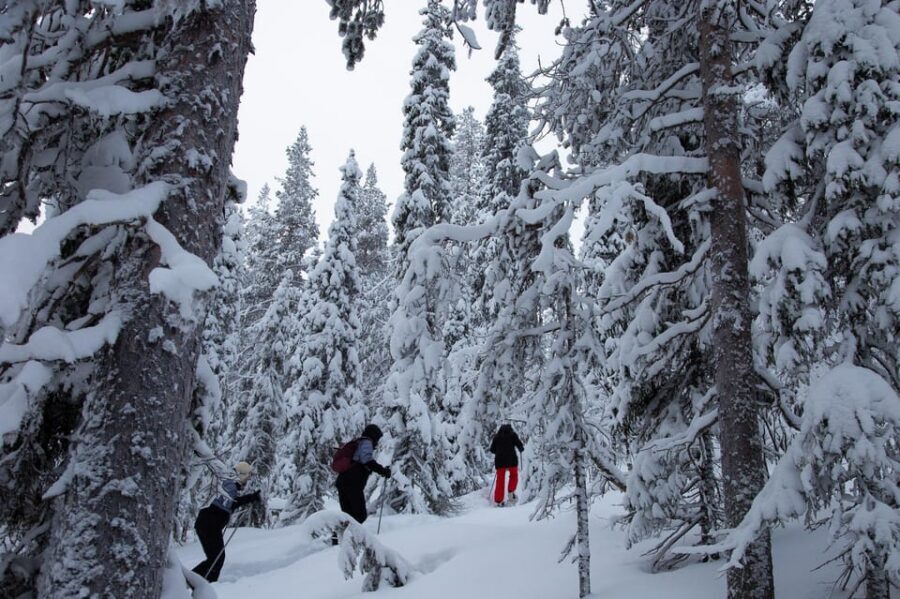
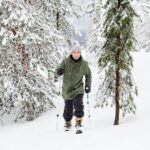
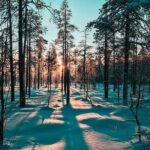
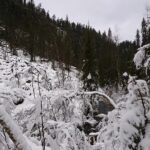
The walk takes you into some of the oldest forest areas in Lapland. The route is described as moving along lakes and through mystic mires, which helps explain why the forest feels both open and mysterious. You’re walking across layers of snow where the ground is alive with hints: pressed tracks, broken twigs, and feeding signs.
This is not only about scenery. The real point is learning to read the forest like a map. During the walk, you’re encouraged to observe possible animal tracks and nearby feeding birds. That turns the experience into something you can repeat later.
One useful takeaway from the way the day is taught: you start connecting what you see to what it likely means. For example, if you spot a line of small marks, you learn to slow down and verify rather than guessing. That’s how you get confident quickly, even if you’ve never snowshoed before.
There is a potential drawback to keep in mind: the day’s wildlife payoff depends on conditions. If the snow is very fresh or wildlife activity is quiet, tracks and signs can be harder to detect. Winter woods are patient, not guaranteed.
Bird-spotting along the way: Siberian Jay and Siberian Tit
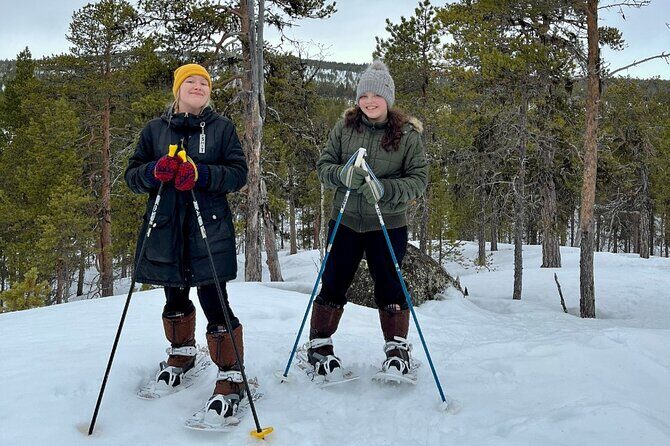
Birds are a major thread in this tour, and the guides actively point them out during the walk. Two species mentioned as commonly around are the Siberian Jay and the Siberian Tit. These are the kinds of birds that can keep your attention moving even when larger animals stay hidden.
What I like about this focus is that it matches reality. You can’t promise elk. But you can offer structured bird awareness, and you can learn how birds behave around feeding areas and in the trees.
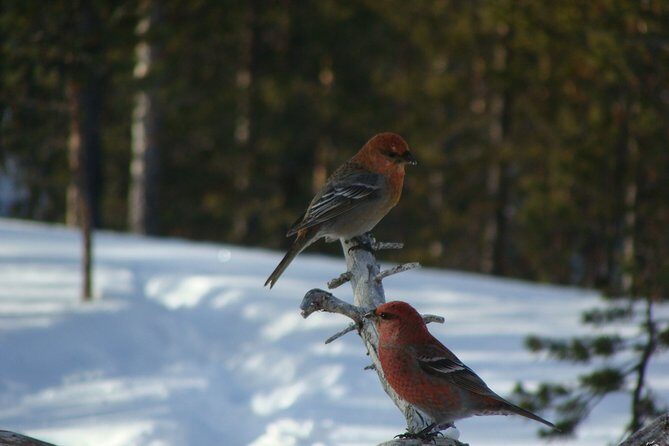
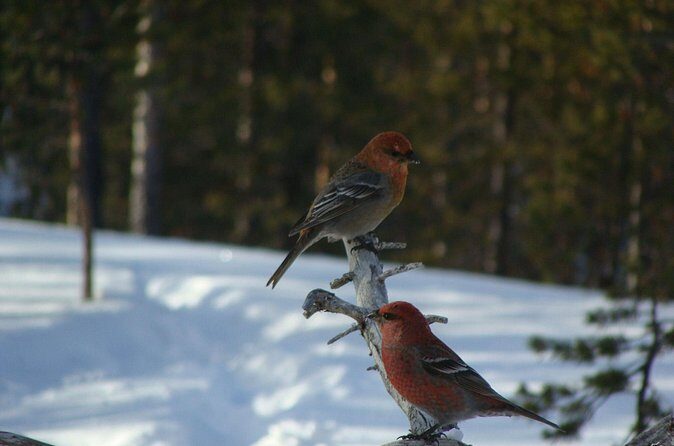
There’s also a seasonal note built into the tour: by mid-February or early March, you may start looking for the first Pine Grosbeaks returning. If your dates land in that window, you’ll feel like you’re witnessing the shift rather than just the same winter scene every day.
Even if you don’t spot a rare bird, the learning carries forward. You end the walk knowing what to look for next time you’re outside in Lapland, which is the point of doing a guided nature walk.
A few more Lapland tours and experiences worth a look
Possible wildlife moments: elk, mountain hare, and track-reading confidence
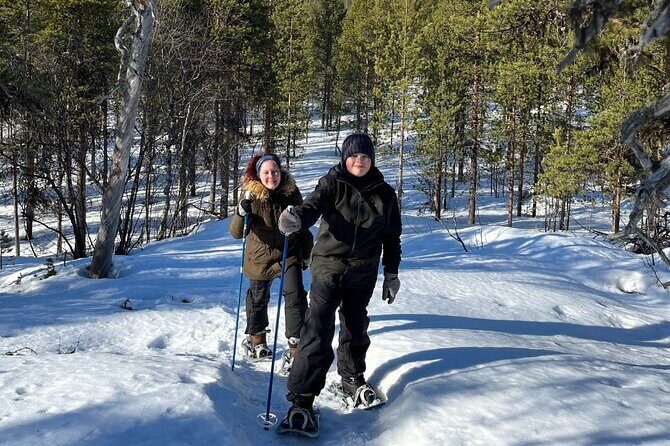
The tour doesn’t promise big sightings, but it does set you up for them. With luck, you might see Elk and Mountain Hare during the walk. Even when you don’t see animals directly, the day is built to make you notice their presence through tracks and behavior.
The best practical value here is the confidence you build in track recognition. One review says the guide helped them recognize red fox and hare tracks, which is exactly the kind of skill you can keep for the rest of your trip. When you’re later walking near villages or trails, you start seeing evidence that was invisible before.
For me, the tradeoff is the same as with any winter wildlife experience: you’re walking in a real ecosystem, not a wildlife theme park. Cold weather, snow softness, and animal activity levels affect what you’ll find. But the tour still has a strong backbone, because the guides teach you to interpret what’s there instead of chasing what’s not.
The kota ending: open-fire hot drinks and local snacks
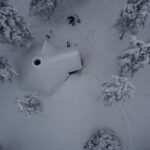
The tour finishes with warmth and food in a kota, a traditional-style camp structure. Before driving back to Inari, you enjoy an open-fire hot drink and local snacks. This is where the experience becomes more than an outdoor class.
Reviews mention coffee or tea with a bun, and also describe local snacks like cheese and a moose-toasted style item, plus a home-baked muffin heated over the fire. Food like this isn’t just fuel. It’s part of how the evening mood settles in, and it gives you time to keep watching birds after you stop walking.
There’s also a calm hospitality vibe here. People describe the guides as welcoming and attentive, and the setting as peaceful. When you’re outdoors for a couple hours in real winter, that open fire feels like a reset button.
One extra nice touch: birds can keep coming close while you warm up. So even if the forest felt quiet earlier, the end moment can bring movement and sound.
Why this tour feels worth it (even if wildlife stays quiet)
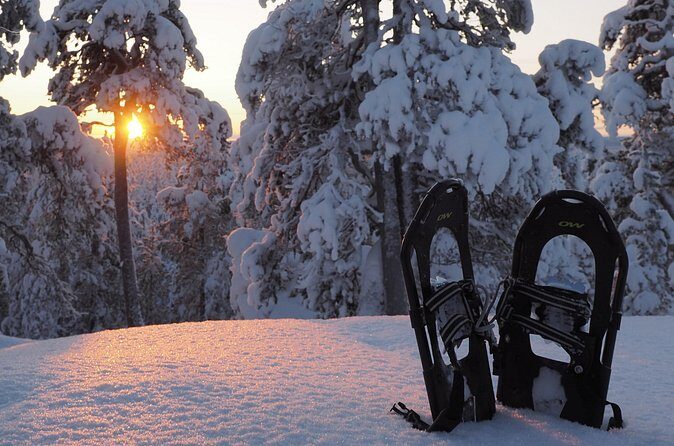
Let’s talk value, because $114.02 isn’t nothing. What you’re getting for that price is a guided, small-group snowshoe experience with:
- a focus on nature interpretation (tracks, birds, plants)
- hands-on support with snowshoes and boots
- an end stop that includes open-fire drinks and local snacks in a kota
- a guide who speaks English and can explain what you’re seeing
If you’re the type of traveler who likes learning, this pricing makes sense because you’re not just paying for time outside. You’re paying for instruction that changes how you experience Lapland afterward.
If you only want a workout and a quick walk, you could arguably spend less elsewhere. But this day is set up to leave you with skills, not just photos.
Who should book Winter Woods with a local biologist
This tour fits best if you want a more meaningful winter experience and you enjoy learning how to look closely. It’s also a good fit if you like nature without needing to be an expert beforehand.
It’s described as suitable for most travelers, and service animals are allowed. Reviews also suggest it works for kids around primary-school age and above, with one review mentioning an 11-year-old enjoying it. That same comment also hints that very young children might struggle with attention span, so plan accordingly.
If you’re traveling as a family, a couple, or a solo traveler who likes quiet group settings, the max 6-person size helps a lot. You get time to ask questions without feeling rushed.
Practical considerations for winter comfort in Inari
Even with good gear support, you should dress like you’re serious about winter. Snowshoeing in Lapland is active, but the cold still catches up if you’re underdressed.
Also remember the reality of wildlife spotting: the tour runs in winter, in a real ecosystem. On some days, you’ll find lots of tracks and bird action. On other days, the forest can feel quiet. The tour still holds together because it teaches you what to look for rather than promising specific sightings.
Finally, plan your schedule so you can enjoy the whole ending moment. The kota stop matters. If you rush out the second you’re done walking, you miss part of what makes the tour feel complete.
Should you book this snowshoe walk in Inari?
Book it if you want Lapland that feels grounded in real local knowledge, not just a winter postcard day. The strongest reasons to choose it are the small group, the biologist-style focus on signs and birds, and the open-fire kota snacks that make the whole outing feel warm and human.
Skip or consider alternatives if you’re mainly chasing guaranteed wildlife sightings. Winter animals can be elusive, and weather conditions can limit what you’ll spot. Also, if you’re bringing very young kids, think about whether they’ll enjoy a slower, observation-heavy experience.
If your goal is to leave Inari understanding the woods better than you arrived, this is the kind of tour that can genuinely change your next walks.
FAQ
Where does the Winter Woods snowshoe walk start and end?
It starts at Terstontie 123, 99870 Inari, Finland, and ends back at the same meeting point.
What time does the tour begin?
The start time is 10:00 am.
How long is the experience?
It lasts about 2 hours 30 minutes.
Is the tour offered in English?
Yes, it is offered in English.
What group size should I expect?
The activity has a maximum of 6 travelers.
How much does it cost?
The price is $114.02 per person.
Do I get a mobile ticket?
Yes, it’s a mobile ticket experience.
What wildlife should I watch for during the walk?
You can observe possible animal tracks and nearby feeding birds. Siberian Jay and Siberian Tit are commonly around, and with luck you might see elk and mountain hare. By mid-February or early March, the first pine grosbeaks may return.
Is there food and a warm drink included?
Yes. Before driving back to Inari, you enjoy an open-fire hot drink and local snacks in a kota.
What happens if weather is poor?
This experience requires good weather. If it’s canceled due to poor weather, you’ll be offered a different date or a full refund.
Is there a cancellation window for full refunds?
Yes. Free cancellation is available up to 24 hours in advance for a full refund.