REVIEW · LAPLAND
Guided Ice Climbing Activity in Pyhä
Book on Viator →Operated by Bliss Adventure · Bookable on Viator
Climb an ice wall with a pro. I love how the guide teaches technique so beginners can actually climb, and I love the warmth of hot berry drinks over a bonfire between attempts. The one drawback to plan for: this is still real ice climbing, so you’ll need solid cold-weather grit and enough fitness for a short hike and two climbs that can go over 20 meters.
You’ll meet at Camp Kitchen & Bar Pyhätunturi near Hotel Pyhätunturi, then spend about 2.5 hours in the fresh Lapland air. Groups are kept small, up to 12 travelers, and the experience is offered in English.
In This Review
- Key highlights to know before you go
- Tajukangas Ice Fall in Pyhä: what you’re really climbing
- Where the trip starts at Pyhätunturi (and how gearing up sets the tone)
- Pyhä-Luosto National Park time: the short hike that builds the right mindset
- Two climbs to 20+ meters: how beginners can actually progress
- Bonfire breaks and hot berry drinks: why the warm-up is part of the sport
- Gear, safety, and what you should mentally prepare for
- Price in context: is $142.76 worth it for Pyhä ice climbing?
- Who should book guided ice climbing in Pyhä (and who might rethink it)
- A few practical notes that affect your comfort
- Should you book Guided Ice Climbing in Pyhä?
- FAQ
- How long is the guided ice climbing activity in Pyhä?
- Where does the ice climbing take place?
- How many times do you climb during the experience?
- How high do you climb?
- What equipment is provided?
- Is the activity suitable for beginners?
- What fitness level do you need?
- Is the tour offered in English?
- How many people are in a group?
- Can I cancel for a full refund?
Key highlights to know before you go
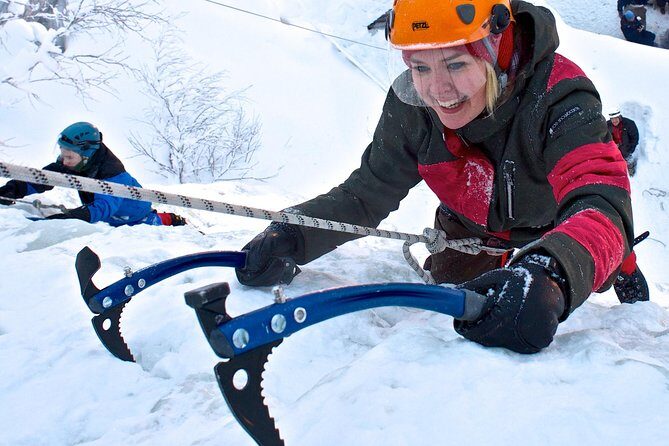
- Technique coaching for real beginners: step-by-step instruction geared toward safe progress on the ice wall
- Full gear provided: helmet, harness, crampons, ice axes, and foot-wear so you’re not hunting equipment
- Two proper climbs: each participant gets two climbs on the ice wall reaching above 20 meters
- Bonfire breaks with hot berry drinks: warm up between sessions at the Tajukangas ice climbing shrine
- Short wilderness hike: about a 10-minute hike from Pyhätunturi to the ice fall area
- Small group feel: maximum 12 people, which helps you get attention when you need it
Tajukangas Ice Fall in Pyhä: what you’re really climbing
This guided ice climb happens at Tajukangas Ice Fall in Pyhä, right in the cold quiet of Finnish Lapland. The big idea is simple: you’ll whack an ice axe into the ice and learn how to place your crampons so you can move upward with control.
What makes this location especially fun is that the climbing is tied to a specific spot, the Tajukangas ice climbing shrine area, where breaks are built into the experience. That matters because ice climbing isn’t just “go up.” It’s a rhythm: practice the moves, climb, stop, recover, and then climb again.
And yes, there’s a reward as you go higher. You’ll reach above 20 meters, and the higher you climb, the better the views get. You’re not just chasing adrenaline; you’re learning how to trust your technique long enough to earn that height.
You can also read our reviews of more guided tours in Lapland


Where the trip starts at Pyhätunturi (and how gearing up sets the tone)
You start at the meeting point by Camp Kitchen & Bar Pyhätunturi at Kultakeronkatu 21, near Hotel Pyhätunturi. From there, your guide gets you set up with safety gear before you ever head to the ice.
This matters more than it sounds. Ice climbing depends on the fit and feel of your gear. If crampons bite wrong or an axe feels awkward in your hands, you lose confidence fast. With this activity, you’re provided with the core climbing kit—helmet, harness, crampons, ice axes, and foot-wear—so you start the climb ready for the conditions instead of improvising.
After that, the pace stays friendly. You’re not just dropped into deep cold and told to figure it out. You get coached, then you walk toward the ice fall area with the group, which helps you settle in instead of rushing your brain.
Pyhä-Luosto National Park time: the short hike that builds the right mindset
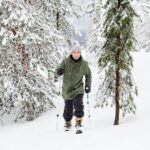
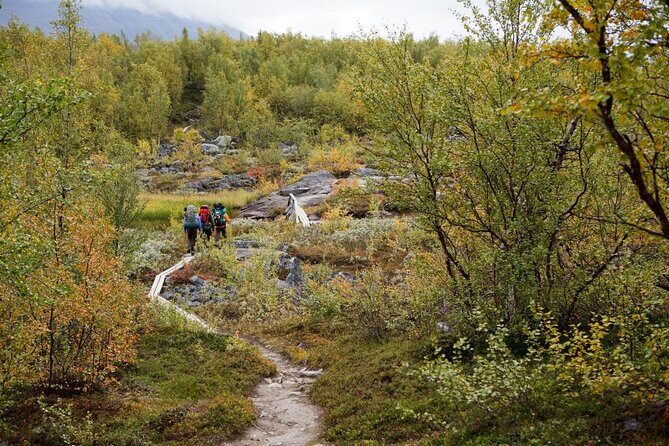
After meeting and getting equipped, you’ll hike about 10 minutes in the wilderness. You’ll feel the cold and get a sense of the real environment, but it isn’t a long endurance hike.
This short approach is a smart design choice for most people. It gives you a little time to wake up, check your footing on snow and ice surfaces, and mentally switch from street-winter to winter-climbing winter. You also avoid the “we’re exhausted before we start climbing” problem.
The trip is also tied to the Pyha-Luosto National Park area through the overall experience flow. You’ll be outdoors for the full session, with your guide steering you between the warmer break areas and the ice wall itself. That back-and-forth structure helps you stay focused on the climbing moves rather than worrying about how cold you’ll get.
Two climbs to 20+ meters: how beginners can actually progress
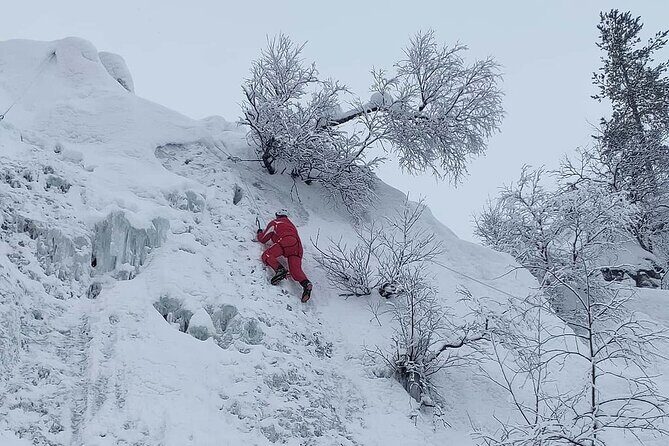
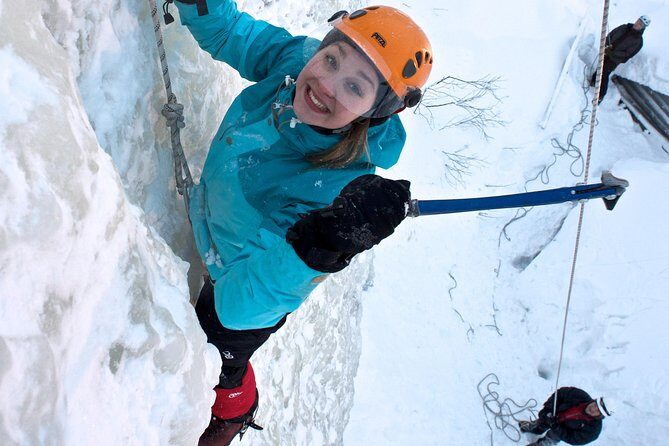
The highlight is that each climber gets two proper climbs up the ice wall. Both climbs aim at reaching above 20 meters, which means you’re not doing a quick first attempt and then watching from below. You get real practice time.
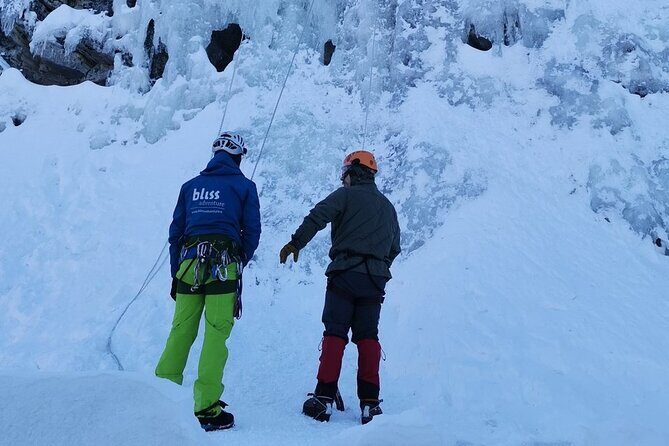
What you learn is technique, not brute force. Your instructor shows you how to use the ice axe and how to move your body so crampons grip and you can step upward with control. Your job is to copy the technique, then improve it as you go.
Beginner-friendly doesn’t mean “no effort.” Ice climbing is difficult. But the coaching style is designed to make the difficulty manageable. When the guide explains what to do and gives you hands-on feedback, you stop guessing. You start building trust in how your body and gear work together.
Here’s the practical part: if you can enjoy a brisk walk, you’re the right fitness type for this. You don’t need to be an athlete, but you do need to be comfortable being active outdoors in winter conditions. Plan to work your legs and core; even when it feels “technical,” it’s still physical climbing.
Bonfire breaks and hot berry drinks: why the warm-up is part of the sport
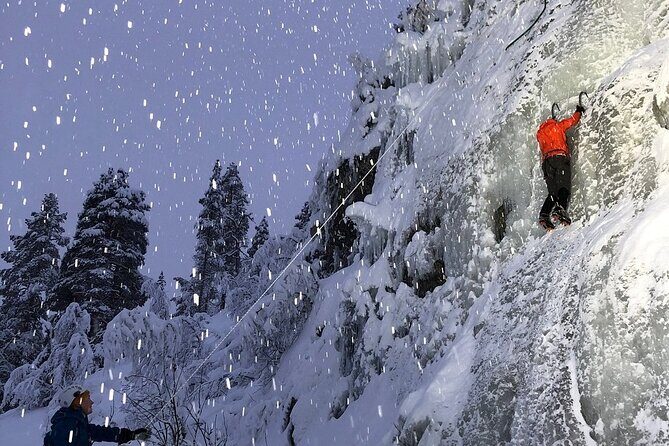
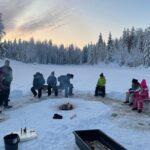
Between climbing sessions, you’ll get to warm up by a bonfire at the Tajukangas ice climbing shrine area. You’ll also be served hot berry beverages designed to keep you comfortable while you recover.
This isn’t just a nice touch. Ice climbing gets cold fast, especially when you stop and start. Your hands, feet, and lower body temperature can drop quickly. A scheduled break with heat helps you regain comfort, focus, and finger control—then you can climb again with less fear and more clarity.
The hot berry drinks also create a satisfying loop: climb hard, rest and warm up, then climb again. That second climb often feels better because you’ve already learned the basics once. You’re not repeating from zero.
If you hate waiting around in the cold, this format is built for you. The breaks have a purpose, and they keep the whole experience from turning into a long, chilly shuffle.

Gear, safety, and what you should mentally prepare for
Everything you need for the climb is provided: helmet, harness, crampons, ice axes, and foot-wear. That’s a big value point because ice gear isn’t cheap, and using borrowed equipment that doesn’t fit well is a pain.
Safety-wise, this experience is set up for people who are somewhat moderately fit and who want a guided, instruction-led climb. The guiding goal is to help you learn how to place gear and move correctly on the ice wall, not to throw you onto a route and hope you figure it out.
You should still prepare mentally for the fact that it’s an outdoor winter activity. You’ll be climbing at a height above 20 meters, then coming down, then warming up, then going again. That rhythm takes courage even when you’re doing everything right.
If you’ve never climbed before, you’ll likely be surprised by how much you rely on small technique choices. The upside is that once you get the hang of the first movements, the second climb can feel smoother because your body has learned the pattern.
Price in context: is $142.76 worth it for Pyhä ice climbing?
At $142.76 per person, this isn’t a bargain-basement activity. But it’s not overpriced either when you break down what you’re paying for.
You’re paying for:
- A licensed, guiding-led instruction format
- Full climbing gear provision (which can be costly and annoying to arrange yourself)
- Two proper climbs on an ice wall with meaningful height
- Warm-up time with hot drinks over a bonfire
- A small group size, max 12 people, which helps the guide keep an eye on everyone
Also, ice climbing is one of those “you either pay for the setup or you pay for the hassle.” This tour removes the hassle. You show up, get equipped, learn technique, and climb with a plan.
One more value clue: this is often booked about 55 days in advance on average. That usually means the sessions fill up in the season when conditions are good. If you’re traveling in peak months, booking earlier can help you lock in the day you want.
Who should book guided ice climbing in Pyhä (and who might rethink it)
This is a good choice if you want a guided beginner-friendly ice climbing experience. You don’t need prior experience to enjoy it, and the guide is there to teach technique and keep you progressing safely.
It’s especially suited for you if:
- You can enjoy a brisk walk (moderate fitness is enough)
- You want hands-on instruction, not a spectator-style outing
- You want an activity that’s genuinely outdoors, not a short indoor demo
You might consider skipping or choosing a gentler option if you:
- Struggle with cold-weather activity for extended periods
- Don’t feel comfortable with the idea of climbing to heights above 20 meters
- Prefer activities with minimal physical effort
The good news is that the group size stays small, and the coaching approach is built around helping everyone make it up the wall.
A few practical notes that affect your comfort
Service animals are allowed, and the start point is near public transportation, which can make the day easier if you’re not driving. The activity is offered in English, so you can follow the instruction without guessing.
You’ll receive confirmation at the time of booking, and you’ll use a mobile ticket for entry. That saves time on the day, especially when winter weather makes everyone move a bit faster.
Finally, because this is a true ice climbing activity with two climbs and outdoor breaks, come ready for the reality of winter. You’re going to be moving, stopping, and warming up, and that mix is what makes it both challenging and rewarding.
Should you book Guided Ice Climbing in Pyhä?
If you want a real ice climbing experience at Tajukangas Ice Fall with gear included, guided technique coaching, and a warm bonfire break, then yes, I’d book it. This is one of those activities where the structure matters: you’re guided, you get two climbs, and you have a plan for warmth between attempts.
The main reason to hold back is if the physical side sounds too hard for you, or if the idea of climbing above 20 meters feels like a stress load rather than a challenge. But if you’re comfortable outdoors and you enjoy learning a skill, this is a strong choice for a memorable Lapland day.
FAQ
How long is the guided ice climbing activity in Pyhä?
It lasts about 2 hours 30 minutes.
Where does the ice climbing take place?
The climbing happens at Tajukangas Ice Fall in Pyhä.
How many times do you climb during the experience?
All participants get two proper climbs up the ice wall.
How high do you climb?
Climbs reach above 20 meters.
What equipment is provided?
You’re provided with a helmet, harness, crampons, ice axes, and foot-wear.
Is the activity suitable for beginners?
Yes. It is described as safe also for beginners, with technique taught by the instructor.
What fitness level do you need?
You should have a moderate physical fitness level. You’ll also hike about 10 minutes in the wilderness.
Is the tour offered in English?
Yes, the experience is offered in English.
How many people are in a group?
There is a maximum of 12 travelers.
Can I cancel for a full refund?
Yes. You can cancel up to 24 hours in advance for a full refund.