REVIEW · LAPLAND
Arctic Fishing & Open Fire Cooking
Book on Viator →Operated by Xwander Nordic · Bookable on Viator
Ice fishing ends with soup over open fire. In Lapland, this small-group trip blends hands-on ice fishing—drilling through thick ice and checking submerged nets—with traditional know-how, then turns your day into open-fire fish soup served in a Lappish tipi with guides like Sonja and Juhanni helping you make it all happen.
I especially like how the experience mixes practical outdoors skills with real warmth: overalls and boots for the cold, plus guided cooking so you’re not just watching, you’re learning. One thing to consider: it depends on weather, and the included transfers mainly cover Ivalo—if you’re staying farther out, extra transport may be needed.
In This Review
- Key points to know before you go
- Lapland ice fishing with cooking that actually warms you up
- Your cold-weather kit: overalls, boots, and why it matters
- From Ivalo meeting point to lake time: how the day flows
- Ice fishing on thick ice: what you learn beyond drilling holes
- Local fish spotting: white fish, pike, perch, and burbot
- Turning the catch into a warm meal in a Lappish tipi
- Open-fire cooking etiquette: how to enjoy it without fuss
- Optional tent sauna and ice swimming: worth it if you like a challenge
- Guides who make it click: Sonja, Juhanni, Ossi, and Jennifer
- Transfers and logistics: included Ivalo rides, and what to plan for
- Price and value: $188.09 for a real small-group Arctic day
- Who should book this, and who might skip it
- Should you book Arctic Fishing and Open Fire Cooking with Xwander Nordic?
- FAQ
- What time does the experience start, and how long does it last?
- Where is the meeting point?
- What is included in the price?
- Do they provide fishing gear and cold-weather clothing?
- What fish might you see during the fishing part?
- Are tent sauna or ice swimming included?
- What if weather is bad?
Key points to know before you go
- Small group size (max 8) keeps the teaching personal and the pace relaxed
- Ice fishing teaching style focuses on traditional technique, not just catching something
- Submerged net check helps you spot local fish species like white fish, pike, perch, and burbot
- Cooking in a Lappish tipi means you warm up fast with soup over the fire
- Optional tent sauna and ice swimming add a big adrenaline finish if you want it
Lapland ice fishing with cooking that actually warms you up
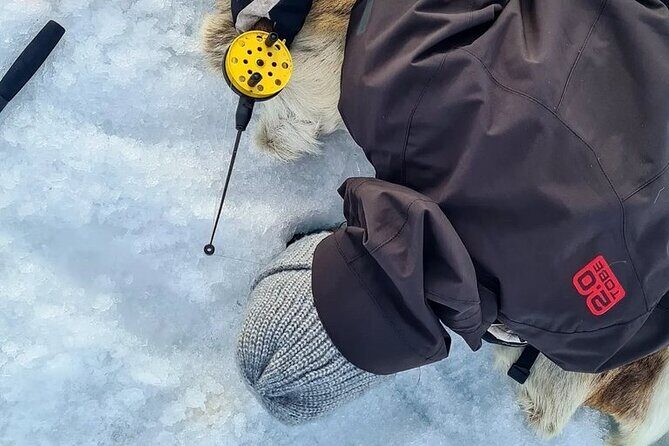
This is the kind of Lapland outing that makes sense even if you’re not chasing big-ticket fantasies. The focus stays grounded: you’re on the ice, you learn what to do, and you finish with a hot meal cooked right where you gathered.
The location is a huge part of the appeal. Starting around Ivalo and heading over to Lake Inari territory puts you in prime Arctic fishing country, where the day is shaped by cold, daylight, and the lake’s behavior.
For me, the best part is the payoff. You don’t just go through the motions of drilling holes and hoping. You learn the process, then you eat what you caught—warm, simple, and made for freezing hands.
You can also read our reviews of more tours and experiences in Lapland.
Your cold-weather kit: overalls, boots, and why it matters
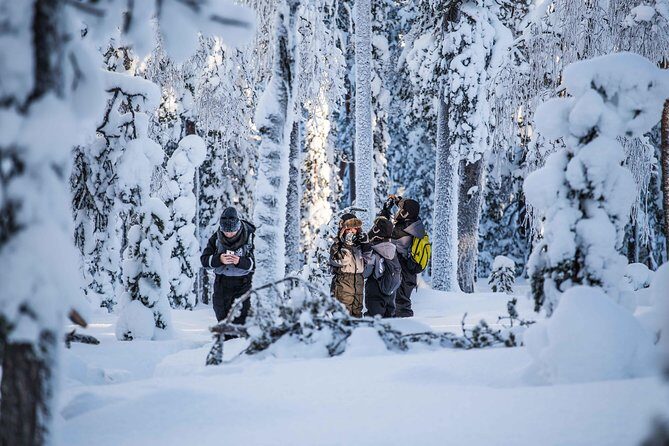
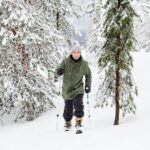
You’ll be provided with Arctic overalls and boots, which is the difference between an enjoyable day and a miserable one. Cold weather gear isn’t a nice-to-have in this part of Finland; it affects your mobility, your comfort, and whether you can focus on learning instead of shivering.
Plan to dress sensibly underneath. If you wear too much bulk, you can end up sweaty when you move around, especially when drilling and handling equipment. If you underdress, you lose warmth fast once you’re standing still on the ice.
Even with gear supplied, the practical mindset helps: keep your hands protected, move carefully on the ice, and listen closely when the guide explains the setup. This trip rewards good habits.
From Ivalo meeting point to lake time: how the day flows
You start at Xwander Nordic, at Ivalontie 12 in Inari, and you’ll want to be there early—aim for the 9:45 AM arrival window—so you can get sorted before the action starts. The official start time is 10:00 AM, and the trip runs about 5 hours with the return between 3:00 and 4:00 PM.
That timing is practical. It’s long enough to feel like you truly had a Lapland experience, but short enough that you still have energy left for dinner, a walk, or another activity later in the day.
The group stays small, with a maximum of 8 travelers. That matters on ice. With fewer people, you get more attention during the drilling and handling steps, and the guide can adjust to your pace.
Ice fishing on thick ice: what you learn beyond drilling holes
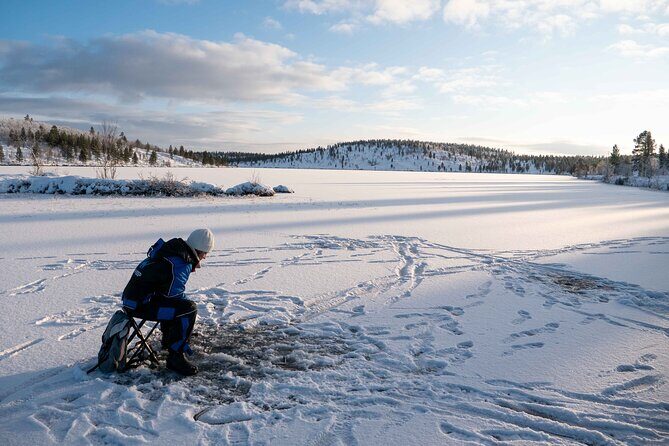
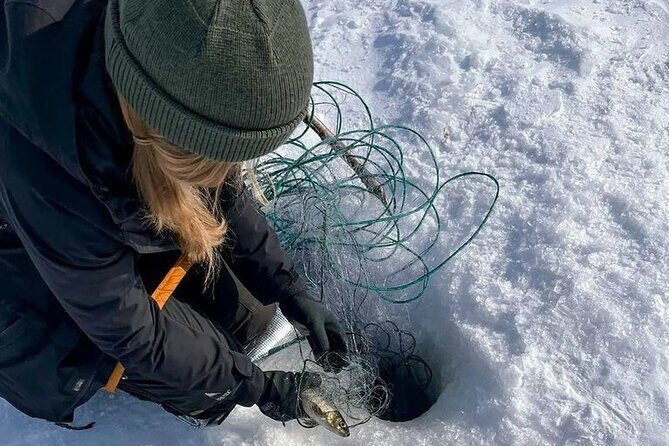
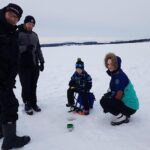
The heart of the experience is traditional ice fishing. You’ll drill through thick ice and learn the basics of how the hole, the line setup, and the waiting period work together.
Then comes the part that makes it feel real: you’ll check submerged nets and learn what fish are present in the local waters. That gives context to what you’re doing. Instead of the day being random trial-and-error, you’re learning a system—how the Arctic lake supports life below the ice.
One useful reality check: ice fishing isn’t always effortless. In past trips, guides handled issues when equipment didn’t behave perfectly (like a net getting stuck), working through problems step by step. That’s actually reassuring. It means you’re not expected to be a pro; you’re expected to listen, try, and trust your guide when the lake throws curveballs.
Local fish spotting: white fish, pike, perch, and burbot
A standout feature here is learning about the fish species in the area, including white fish, pike, perch, and burbot. You don’t just hear names; the trip connects those species to what you’re seeing and doing on the lake.
Why that matters: fish names become less abstract when you’ve watched how nets sit under the ice and how fishing setups work. It’s also a nice way to appreciate Arctic marine life from a practical angle, instead of only from stories or photos.
If you’re into food tourism, this is extra relevant. When you understand what fish you’re working with, the cooking at the end feels more meaningful. You’re not eating fish soup blindly—you know what species the catch came from.
A few more Lapland tours and experiences worth a look
Turning the catch into a warm meal in a Lappish tipi
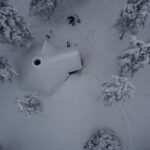
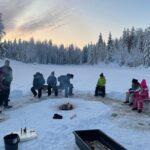
After you prepare the catch, you warm up in a Lappish Tipi Tent. The cooking part is not an afterthought. It’s central to the trip’s design: you spend the morning on the cold lake, then you shift into warmth fast with a meal that’s meant to reset you.
You’ll enjoy warm fish soup cooked and served in the tipi. There’s also dessert cooked over the open fire. It’s a great combo for Arctic touring because you get both savory comfort and that small celebratory touch of something sweet at the end.
Here’s the practical takeaway: if you’ve ever done outdoor activities in cold climates, you know the real challenge is sustaining warmth long enough to enjoy the day. A tipi meal solves that. You get a place to sit, heat your body, and slow down for a bit.
Also, the cooking environment tends to feel special because you’re not just eating indoors with a warm drink. You’re in the outdoors setting, with the fire doing the work, while the guide explains the process and keeps things moving.
Open-fire cooking etiquette: how to enjoy it without fuss
Open fire cooking can sound simple, but it’s still real food handling. Keep your expectations grounded: you’re learning and eating something cozy and traditional, not leaving with a Michelin-course worksheet.
The best way to enjoy this part is to follow the guide’s lead for how to handle the space. If your guide asks you to step back, sit, or wait while something cooks, it’s for safety and flow. The comfort comes from the rhythm—cold work, then warm sitting, then food.
If you’re traveling with kids or anyone new to Arctic activities, this cooking time often becomes the highlight because it feels like a camp experience. You’re involved, but you can relax too.
Optional tent sauna and ice swimming: worth it if you like a challenge
You can add extras at the end, including tent sauna or ice swimming. These are not included, so you’d need to pay extra if you want them.
If you like contrasts—hot and cold, or thrill and calm—this is where the day can feel even more unforgettable. Sauna followed by cold water or a cold immersion is a classic Arctic rhythm. But only choose it if you’re comfortable with intense temperature changes.
If you’re on the cautious side, skip the add-ons and keep your focus on the main arc: ice fishing, tipi warming, and a full meal. That alone is plenty of Arctic for one day.
Guides who make it click: Sonja, Juhanni, Ossi, and Jennifer
The quality of a cold-weather activity rises or falls on the guide. Here, the guides seem to bring more than just instruction. People highlight calm organization, strong teaching, and a real ability to make the day feel enjoyable while still being practical.
Names that show up clearly include Sonja and Juhanni on ice fishing days. Ossi is also mentioned for another activity in the region, and Jennifer appears as part of a guided Lapland experience. Across these accounts, the message stays consistent: you’re not thrown into the cold and left to figure it out.
There’s also an emphasis on Sami culture and context. Even when the day is focused on fishing, you’ll hear thoughtful notes that add meaning to where you are. It’s not just spectacle; it’s learning tied to the people and place of Lapland.
And yes, the guides’ energy can be contagious. One highlight is how guides can mix the day with fun—like singing—without turning it into a circus. That balance matters in a small group.
Transfers and logistics: included Ivalo rides, and what to plan for
The price includes transfers from Ivalo and back, plus guide services, fishing equipment, and food and drinks. That bundle is a big part of the value because it reduces the number of moving parts you need to coordinate on your own.
What’s not included: supplementary transfers from other nearby bases like Inari, Nellim, Kakslauttanen, Kiilopää, and Saariselkä. If you’re not already in Ivalo, double-check how you’ll get to the meeting point at Xwander Nordic in Inari. The tour itself ends back at the meeting point, so you’ll want a plan for the rest of your day in that area.
The good news: the meeting point is near public transportation. So even if you’re not using a transfer, you may still be able to get there smoothly.
Price and value: $188.09 for a real small-group Arctic day
At $188.09 per person, this isn’t a cheap hobby trip. But it’s also not just “pay for a photo.” You’re paying for a guided Arctic experience built around four expensive things: trained instruction, specialized cold-weather support, lake fishing gear, and the meal cooked as part of the program.
You’re also in a max 8 group, which tends to improve quality. Small groups mean less waiting, more attention, and more efficient use of time on the ice. In Arctic conditions, that efficiency matters.
Food and drinks are included, which is a real budget saver. Cold weather makes you hungry fast, and you’ll likely spend more on warm drinks and snacks if you’re self-guiding.
Optional add-ons like tent sauna and ice swimming can raise the total cost, but they’re clearly optional. If you want value and not decision fatigue, go with the main experience.
Also remember: the experience requires good weather. If it gets canceled due to poor conditions, you’ll be offered a different date or a full refund. That risk is part of Arctic touring, but it’s handled by the operator.
Who should book this, and who might skip it
This is a great fit if you want hands-on Arctic time with a clear payoff: learn ice fishing techniques, see what’s under the ice, and then warm up with an actual meal in a tipi. It’s also ideal if you like small-group experiences and you want guides who explain while keeping things practical.
It’s also a good choice for food-focused travelers who care about what they’re eating, not just where they’re eating it. Knowing the local fish species adds meaning to the soup.
You might consider a different option if you’re very sensitive to cold or you dislike being outdoors for a solid stretch on ice. Also, if you’re staying far from Ivalo, factor in the possibility of extra transport costs since supplementary transfers are not included.
Should you book Arctic Fishing and Open Fire Cooking with Xwander Nordic?
If you want a Lapland day that blends ice work and warm comfort without feeling commercial, I’d book it. The structure makes sense: gear up, learn the fishing technique, check nets and species, then cook and eat in the tipi so your body cools down less and enjoys more.
I’d also book it if you value good guides and clear teaching. The consistent praise around organization and instruction from guides like Sonja and Juhanni is exactly what you want when the weather is real and the lake can be tricky.
Skip it only if cold-weather outdoor time is a hard no for you, or if the extra transfer costs from your exact location would make the math not work. Otherwise, this is a strong, practical Arctic experience with a warm ending.
FAQ
What time does the experience start, and how long does it last?
The tour starts at 10:00 AM, and it lasts about 5 hours. You return between 3:00 and 4:00 PM.
Where is the meeting point?
You meet at Xwander Nordic, Ivalontie 12, 99800 Inari, Finland. The activity ends back at the meeting point.
What is included in the price?
The price includes guide services, fishing equipment, food and drinks, and transfers from Ivalo and back.
Do they provide fishing gear and cold-weather clothing?
Yes. You’ll be provided overalls and boots for the Arctic adventure, and fishing equipment is included.
What fish might you see during the fishing part?
You may discover local fish species such as white fish, pike, perch, or burbot.
Are tent sauna or ice swimming included?
No. Tent sauna and ice swimming are optional add-ons and are not included.
What if weather is bad?
This experience requires good weather. If it’s canceled due to poor weather, you’ll be offered a different date or a full refund.