Silence is the main attraction here. This winter trek in Inari, Lapland takes you off-trail into the untouched forest, then brings you back through the dark with head torches.
I love the feeling of going somewhere truly quiet, with no tracks or human-made structures in sight. I also like that your break is more than a snack stop: lunch happens outdoors on an open fire (or a camping stove if needed).
The main thing to think about is that the experience depends on snow and weather. You’ll also be walking in winter darkness on the way back, so you should feel good moving slowly and staying aware of your surroundings.
In This Review
- Key things I’d plan around
- Into Inari’s Untouched Winter Forest, Where the Quiet Is the Point
- What you might see (and what you shouldn’t expect)
- Timing, Start Location, and Why the 9:00 am Matters
- Snowshoes vs Forest Skis: How They Choose Your Mode
- Walking Without Tracks: What “Untouched” Feels Like in Real Life
- Wildlife chances feel more meaningful off-trail
- Outdoor Lunch on an Open Fire (or Camping Stove)
- Heading Back in Darkness: Head Torches and That Cotton-Cloud Feeling
- Guide Style, Group Size, and the Good-Vibe Factor
- What to Wear and Bring for a 6-Hour Winter Trek (Practical Stuff)
- Is the $139 Price Good Value for This Kind of Day?
- Who This Winter Trek Suits Best
- Should You Book This Winter Trek in Inari?
- FAQ
- How long is the Winter Trek?
- Where is the meeting point for the tour?
- What time does the trek start?
- Do you hike with snowshoes or skis?
- Is lunch included?
- What happens when it gets dark?
- What wildlife might you see?
- What is the group size limit?
- What if the weather is poor or the minimum number of travelers isn’t met?
Key things I’d plan around
- Small group size (up to 12) keeps the pace calm and the guide’s attention close.
- Untouched forest with no tracks means real silence and fewer distractions.
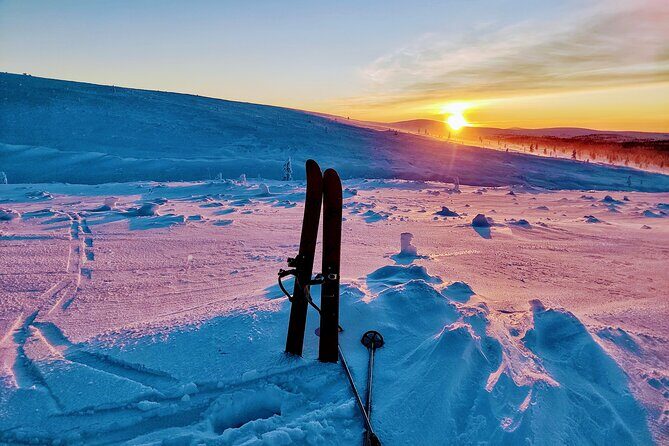
- Snowshoes or forest skis are chosen based on snow conditions.
- Lunch cooked on an open fire (when weather allows) makes the break part of the adventure.
- Head torches for the dark return turn twilight and night into a different kind of forest.
Into Inari’s Untouched Winter Forest, Where the Quiet Is the Point
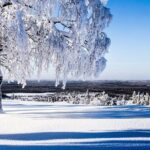
Lapland in winter can feel like a postcard. This trek goes further: it’s about how the forest changes when there’s no trail to follow. You move through deep snow among trees that hold still, with that mid-winter hush that makes every step feel louder than it should be.
The big promise here is “untouched wilderness.” That matters because it changes your mindset. When you’re away from marked paths, you’re not checking off sights. You’re paying attention—snow texture underfoot, wind (or the lack of it), and the small movements of animals that might be out there grazing or watching from a distance.
If you’re the type who gets more excited by what you might spot than by what you can photograph, you’ll enjoy this. And if you like learning as you go, the guides’ wildlife focus is a big part of the vibe. This is the kind of outing where spotting a sign of reindeer or a flash of movement matters.
You can also read our reviews of more tours and experiences in Lapland.
What you might see (and what you shouldn’t expect)
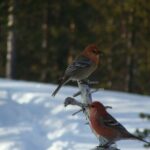
The route offers chances at winter sightings, like willow grouses in their snow-white outfits, reindeer grazing, and other animals and birds moving through the trees. But winter is unpredictable. You’re coming for the experience of moving through the forest, not for a guaranteed animal roll-call.
Timing, Start Location, and Why the 9:00 am Matters
Your morning begins at Xwander Nordic, Ivalontie 12, 99800 Inari. The start time is 9:00 am, and the tour ends back at the same meeting point.
That early start is practical. In Finland in winter, the light can arrive in stages. Starting in the morning gives you enough daylight (often) to settle in, warm up, and learn the rhythm of walking on snow. Then, as you return later, you get the magical part: the forest can be dark already by the time you head back to the car.
A second reason the timing matters: you’re not just “hiking for 6 hours.” You’re trekking, stopping for an outdoor lunch, and using torches on the return when needed. That adds up. With a 9:00 am start, you’re more likely to finish before the cold feels like it’s been chasing you for hours.
Snowshoes vs Forest Skis: How They Choose Your Mode
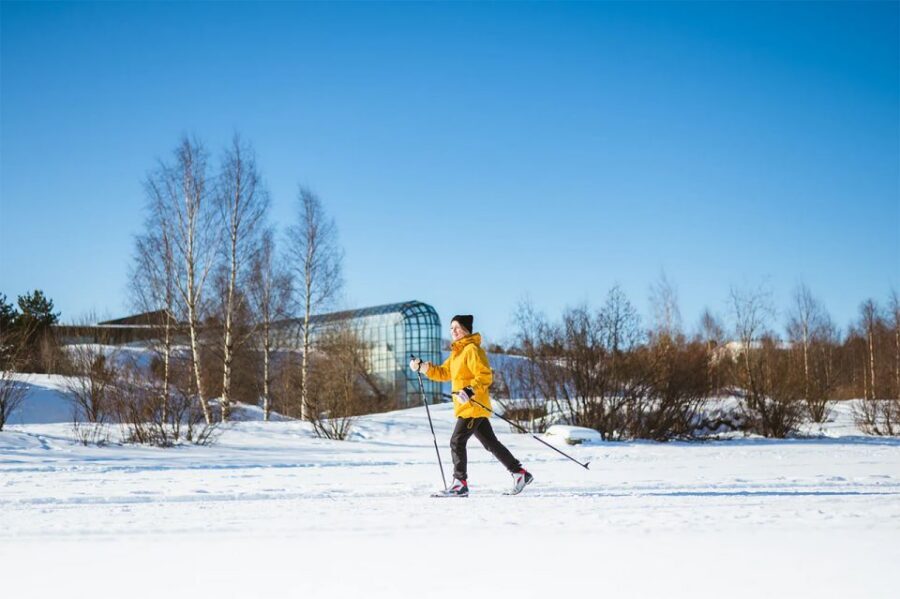
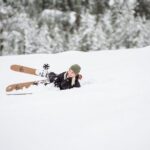
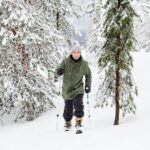
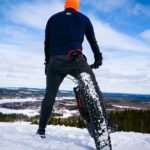
You won’t go in “one-size-fits-all” gear mode. Instead, the guide chooses snowshoes or modern skin-based forest skis based on snow conditions.
Here’s what that means for you:
- If snow is packed or deep in a way that favors flotation and simpler movement, you’ll likely be on snowshoes.
- If conditions favor gliding and grip, you’ll be skiing with skin-based skis designed for traction in snow.
Either way, the goal is the same: quiet movement through the woods with minimal distraction. But your comfort level can differ. Snowshoes tend to feel more stable and intuitive for many people, while skis can feel more technical at first—especially if you’re new to balancing on winter equipment.
If you’re unsure of your balance, tell the guide at the start. One of the underrated benefits of a smaller group is that the guide can adapt pace and coaching without turning it into a circus.
Walking Without Tracks: What “Untouched” Feels Like in Real Life
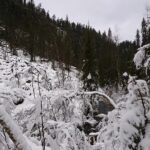
The trek heads deep into the forest with no human-made structures or tracks—only untouched snow and calm nature. That isn’t just marketing language. It changes the experience in three ways.
First, navigation feels slower and more intentional. When you’re not following a marked trail, you rely on the guide’s route and your own steady footwork. That’s a good thing. It keeps you present.
Second, the sound changes. A quiet winter forest doesn’t just look different; it feels different. The guide-led pace means you’re less likely to rush ahead and miss what’s happening around you.
Third, it gives you a more honest sense of “Lapland.” In managed areas, you can feel the edges of human planning. Here, the day leans into nature’s timing.
A few more Lapland tours and experiences worth a look
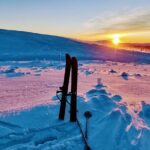
Wildlife chances feel more meaningful off-trail
When you’re moving through untouched woods, wildlife sightings (if they happen) feel less like luck and more like a story you’re part of. The guides are also tuned in to the winter details—things like what birds might be doing in snow-white plumage or what to look for when animals move through tall cover.
Outdoor Lunch on an Open Fire (or Camping Stove)
Food on a winter trek needs to do more than fill your stomach. It has to keep you warm, reset your body, and give you a real break.
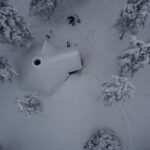
Here, lunch is served during the trek on an open fire or a camping stove, depending on weather. That flexible approach is smart. If conditions are right, the open fire makes the stop feel cozy and communal. If not, the camping stove keeps things efficient and safe without wrecking the day.
Practical takeaway: treat lunch like part of the hike, not a detour. You’ll want to keep your warm layers on and stay ready to move again after the break. Winter slows you down if you sit too long without getting cold.
Also, because lunch happens outdoors, you’ll likely appreciate the chance to warm your hands and soak in the forest stillness for a few minutes. This is where the trip becomes memorable, not just scenic.
Heading Back in Darkness: Head Torches and That Cotton-Cloud Feeling
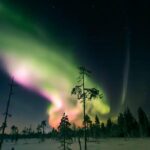
Mid-winter forest can be silent and still. The trek’s return time may land you in darkness already, and that’s where this experience turns into something special.
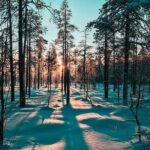
You’ll get head torches for safety. With light on your head, you’re not just walking in the dark—you’re shaping it. The forest can become a world of deep shadows and long shapes across the snow.
The experience description leans into the magic here: you may get stretches of near-complete darkness, or you can use your headlamp to make big, deep shadows around you. Either way, the mood is different than daytime trekking. It’s like the forest is giving you a slower, darker version of the same route.
One of the best parts is the pace. Moving around in winter snow can feel heavy, but the guides keep things controlled and steady. That’s how the walk can feel like you’re stepping on something soft—like moving on a cotton cloud—rather than battling for grip every step.
Guide Style, Group Size, and the Good-Vibe Factor
This tour caps at 12 travelers, which is the sweet spot for winter hiking. Smaller groups help in obvious ways—less crowding, more space to adjust when someone needs a slower moment, and easier communication when the guide points things out.
The guide experience is also a big part of the charm. You can expect kind, attentive leadership that keeps the outing moving smoothly, plus a focus on wildlife and what you’re seeing in winter conditions. If a guide like Ossi is on your trek, that kind of energy tends to show up—friendly, experienced, and happy to explain what’s going on in the woods.
And yes, the vibe matters here. Winter trekking can be tough if the day feels rushed. With this format, the guides aim for that calm “we’re in this together” feeling, which makes the cold easier to handle.
What to Wear and Bring for a 6-Hour Winter Trek (Practical Stuff)
The tour data doesn’t list clothing, so I’ll give you the basics that keep most people comfortable in Arctic-style winter conditions.
Plan for a full morning outdoors plus a return that can happen in darkness. That means you should treat this as a cold-weather day, not a quick walk.
Bring:
- Warm base layers and insulating mid-layers
- A hat that covers your ears
- Gloves you can handle for torch-lit trekking (thick enough for cold, flexible enough to adjust)
- Insulated winter boots with good traction
- A small water bottle (even in cold weather, you still need fluids)
Wear:
- Layers you can adjust while moving (winter walking often warms you up, then cools you fast)
- Something wind-resistant if you have it
If you’re prone to getting cold hands, pack an extra pair of gloves or hand warmers. Not because the tour guarantees anything, but because winter has a way of turning “manageable cold” into “I wish I had done that.”
Is the $139 Price Good Value for This Kind of Day?
At $139 for about 6 hours, the cost isn’t “cheap,” but it also isn’t just paying for scenic photos. You’re paying for guided access to quiet wilderness, winter movement on snow (snowshoes or skis), outdoor lunch cooked on an open fire or stove, and safety support for the dark return with head torches.
The value equation looks even better because the group is capped at 12. That’s not a mass event. It’s the kind of small-group experience where you’re less likely to feel like you’re wandering in a crowd, and more likely to get real guidance when walking gets tricky.
One more value point: you get a mobile ticket, which cuts down on hassle before you leave. In winter, that matters. Less friction means less stress.
Bottom line: if you want a genuine winter-forest experience in Inari—off-trail, with an outdoor lunch and a guided night return—the price feels aligned with what’s included. If you only want a quick snow stroll with minimal cold exposure, you might prefer a shorter option.
Who This Winter Trek Suits Best
This is built for people who enjoy winter walking and don’t mind that the day follows nature’s rules. The activity says most travelers can participate, so you don’t need to be a pro outdoor athlete—but you should be comfortable with sustained time outside in winter conditions.
It’s a great fit if you:
- Like the idea of untouched forest rather than a paved route
- Want an experience that includes outdoor lunch and real winter atmosphere
- Enjoy wildlife chances and guided explanations
- Appreciate small-group guiding with friendly, attentive staff
It may be less ideal if you:
- Struggle with walking in snow for several hours
- Hate the idea of darkness during the return (even with head torches)
- Are very sensitive to cold and find it hard to layer up
Should You Book This Winter Trek in Inari?
I’d book it if your mental picture of Lapland includes quiet woods, off-trail trekking, a warm outdoor lunch, and the chance to experience the forest at night with head torches. The “simple but real” formula here is strong.
Don’t book it just for animal sightings. You’re more likely to remember the soundless walking, the lunch by fire (or stove), and the shadowy return than any one creature you spot.
If you’re flexible and prepared for changing snow and light conditions, this tour is a solid match. And since the experience is weather-dependent, you’re in a better position if you have some flexibility in your travel dates too.
FAQ
How long is the Winter Trek?
It lasts about 6 hours.
Where is the meeting point for the tour?
You meet at Xwander Nordic, Ivalontie 12, 99800 Inari, Finland.
What time does the trek start?
The start time is 9:00 am.
Do you hike with snowshoes or skis?
Depending on the snow conditions, you’ll hike with either snowshoes or modern skin-based forest skis.
Is lunch included?
Yes. You’ll have lunch on the go during the trek on an open fire or a camping stove, depending on the weather.
What happens when it gets dark?
When it’s getting dark, you’ll return using head torches. The dark forest experience can be part of the magic of the hike.
What wildlife might you see?
If you’re lucky, you may see willow grouses, reindeers, or other animals and birds roaming in the forests.
What is the group size limit?
The tour has a maximum of 12 travelers.
What if the weather is poor or the minimum number of travelers isn’t met?
If canceled due to poor weather, you’ll be offered a different date or a full refund. If it’s canceled because the minimum isn’t met, you’ll be offered a different date/experience or a full refund. You can cancel for free up to 24 hours in advance for a full refund.